Location.com logo
Brand Certified

Todd E. Shatkin, DDS

4.9
(752 reviews)

Business Details

2500 Kensington Avenue, Amherst, NY
14226, United States
(716) 839-1700
https://www.toddshatkindds.com/

About

Cosmetic DentistryDental Implants PeriodontistryDentistTeeth Whitening ServiceDenture SpecialistDental LaboratoryOral SurgeryPeriodonticsDental Hygienist
All that is good begins with a SMILE. When you visit our office, your smile is our top priority. Our entire team is dedicated to providing you with the personalized, gentle care that you deserve. Part of our commitment to serving our patients includes providing information that helps them to make more informed decisions about their oral health needs. This website is a resource we hope you will find both useful and interesting. Aesthetic Associates Centre offers complete restorative and cosmetic dental care for adults and children. This includes bonding, veneers, bleaching, crown and bridge, dental implantology (all stages), mini dental implants as well as general dental care. Schedule a free consultation with Dr. Todd E. Shatkin today.

Details

  • Requires appointmentAvailable
  • RestroomAvailable
  • Wheelchair accessible entranceAvailable
  • Wheelchair accessible restroomAvailable

Location

Todd E. Shatkin, DDS
2500 Kensington Avenue, Amherst, NY
14226, United States

Hours

Monday8:00 AM - 5:00 PM
Tuesday8:00 AM - 5:00 PM
Wednesday8:00 AM - 5:00 PM
Thursday8:00 AM - 5:00 PM
Friday8:00 AM - 5:00 PM
SaturdayClosed
SundayClosed

Products & Services

1 list · 16 items

Explore offerings from Todd E. Shatkin, DDS on 2500 Kensington Avenue in Amherst, with popular our services available at this location.

Dr. Todd Shatkin DDS

16 items

Our Services

Aesthetic Associates Centre is a multi-discipline dental practice featuring numerous specialties and services under a single roof. When you visit our dental office, you will always get the one-on-one attention you deserve, and you will never be rushed. Our goal is to provide you with the highest quality dental care possible in a relaxing, friendly atmosphere. Contact us today to arrange your free consultation with Dr. Todd Shatkin.

Cosmetic Dentistry
Cosmetic Dentistry
Free Consultation

Cosmetic Dentist in Buffalo, NY Todd Shatkin DDS is a leading cosmetic dentist providing Western New York residents of all ages with a wide variety of cosmetic dental care treatments. While traditional dentistry focuses on the health of your teeth and gums, a cosmetic dentist specializes in an elective form of dentistry that focuses on the appearance of your teeth and smile. A cosmetic dentist can help address things like discolored teeth, misshapen or misaligned teeth, or missing teeth. While many procedures are designed to help your smile, these days many treatments also help to keep your teeth healthy and strong while still giving you the smile you desire. What Is A Cosmetic Dentist? Similar to cosmetic medicine, a cosmetic dentist provides a form of dental care that you chose to undergo in order to change your appearance. While some of these treatments can also address underlying problems with tooth health and function, the main goal is to improve your smile. Some general procedures these days cross the line into cosmetic dentistry as well. Years ago, when you needed a filling, a general dentist would turn to a metal filling, often visible when you smiled. With today’s dentistry, composite fillings or inlays and onlays are used to match the natural tooth color, often making the filling near invisible. Teeth Whitening Teeth whitening, or bleaching, is probably the most common cosmetic dental procedure. Unlike whitening toothpastes you can pick up at the store that help remove external stains on the teeth, cosmetic teeth whitening addresses both internal and external stains. External stains come from things like smoking, drinking tea, coffee, or wine, while internal staining can come from poor oral hygiene, damage to the tooth, or genetics. Teeth whitening uses a high concentration bleach solution that removes the discoloration, revealing a mouth full of pearly white teeth. Dental Veneers Dental veneers, often called “Hollywood Teeth”, are a dental procedure that serves a variety of purposes. They are an ultra-thin sheet of porcelain material that covers and bonds directly to the tooth surface. Cosmetic dentists use them to cover tooth staining that did not respond well to bleaching. They can also be used to adjust the shape, size, or length of teeth, helping to create and even smile. Dental Implants When people lose teeth due to decay or injury, the traditional treatment is a bridge or denture to replace the missing tooth. However, dental implants are another option that gives you a permanent solution, while also benefiting your overall oral health. A dental implant places a titanium screw into the jawbone, where it fuses and creates a stable base. A natural-looking custom crown is then attached to the screw, giving you a new tooth to restore your smile, as well as your natural tooth function, such as biting and chewing. For those that have lost all their teeth, dental implants provide an alternative to dentures, giving them a mouth full of natural looking teeth that don’t shift or fall out. Dental Crowns Dental crowns are essentially a cap that cover the entire tooth. They are typically made from porcelain fused to metal. While dental crowns are used in general dentistry to treat decayed teeth, cosmetic dentists can use crowns to treat misshapen, broken, and chipped teeth, as well as to fill spaces in between teeth. Teeth Shaping and Bonding Teeth shaping and bonding are other ways a cosmetic dentist can address misshapen or chipped teeth. With teeth shaping, or enamel shaping, the dentist can reshape a tooth my filling or removing enamel on the tooth. Tooth bonding uses a tooth-colored material that is applied to the surface of the tooth and can be molded to adjust the shape of a tooth or used to repair small chips or cracks in the tooth’s surface. Orthodontics Orthodontics is a form of cosmetic dentistry that addresses tooth alignment. While orthodontics is used to treat serious alignment issues, such as overbites, many people opt for orthodontic treatment to adjust slightly crooked teeth in order to achieve that perfect smile. A Complete Smile Makeover While each of these procedures mentioned can address one concern, many people are looking for the entire package. Experienced Buffalo cosmetic dentist Todd Shatkin DDS can work with you to make a complete smile change by combining a variety of these procedures to achieve the smile you are looking for. If you would like to see how a cosmetic dentist can help you get the smile you desire, give our office a call today and set up a free consultation with dedicated Buffalo cosmetic dentist Todd Shatkin DDS.
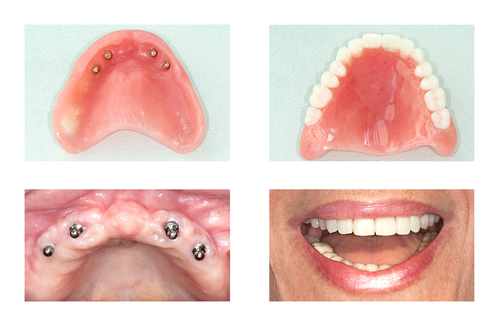
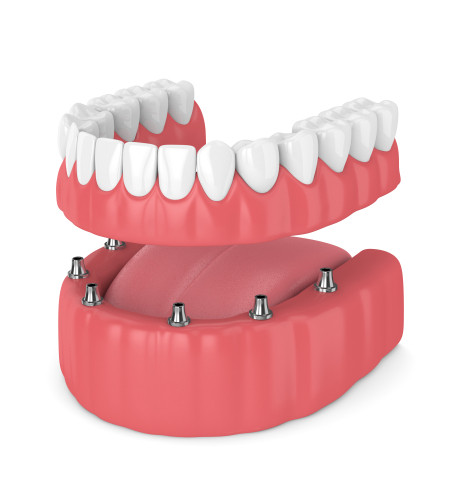
Dental Implants
Dental Implants
Free Consultation

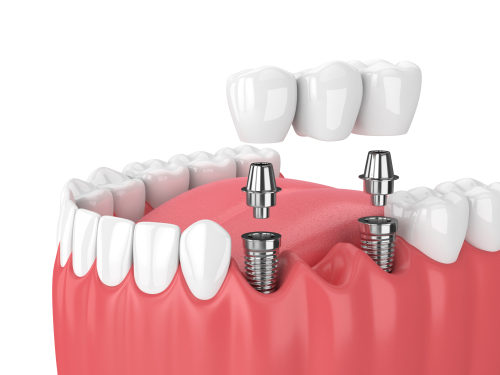
Todd Shatkin DDS is an experienced Buffalo dentist providing affordable dental implants to patients throughout Western New York for over 30 years. Contact Aesthetic Associates Centre today to arrange your free consultation and learn if dental implants are right for you. In cases where you are missing a tooth or have decaying and broken teeth that need removal, traditional options used to be a bridge, a crown, or dentures to give you back your smile. However, now you have a much more permanent option with dental implants. Dental implants provide a natural and permanent solution to tooth loss while helping to maintain your jaw structure and natural smile. What Are Dental Implants? Dental implants are a permanent dental appliance used to replace a single missing tooth or multiple teeth. They consist of three main parts. The first part is a titanium screw that is surgically implanted into the jaw bone and allowed to fuse together with the bone. Once the screw and bone fuse and heal, the second part, or abutment, is connected to the screw. The third piece, a natural tooth-like crown made to match your other teeth, is attached to the abutment. In cases where multiple teeth are missing and your choice used to be a denture, implants with as little as four titanium posts can replace a full set of teeth. This dental implant then becomes a permanent replacement, giving you back your smile. Unlike crowns or dentures that need replacing or can move around in your mouth, dental implants replace missing teeth and can last for years and years. When to Consider Dental Implants Dental implants are an option for any adult looking to replace a missing or broken tooth or a full set of teeth. While they can be an option for teenagers, they are not recommended until full facial growth and development is complete. When Dental Implants are Not Considered While dental implants are a safe and effective way to replace missing teeth, there are cases where they are not recommended. Dental implants are not available for young children as their jaw and dental structure is still developing. If you have inadequate bone structure in the jaw, this could also be a limiting factor, as is severe periodontal disease. When considering dental implants, you must take into consideration the need for the titanium screw to heal and fuse with the bone. Certain medical conditions, such as diabetes and osteoporosis, as well as smoking, can hinder the healing process as well as the ability for the screw to fuse, reducing the chance of a successful implant. In these cases, your dentist may recommend against an implant. What Happens During a Dental Implant Procedure? The first step for a dental implant is a consultation with an oral surgeon. At this appointment, you will undergo x-rays or 3D imaging that allow the surgeon to evaluate your jaw health and the ability to maintain a stable implant. Surgery will be scheduled, and they will discuss anesthesia with you. If necessary, they will remove a broken or damaged tooth. On the day of surgery, once you are sedated, the surgeon will make a small incision into the gum to expose the jaw bone. A hole is drilled into the bone and the titanium screw is put into place. At this point, this part of the procedure is complete, and you are sent home to heal. The healing process can take several months. Once healed and the screw has fused to the bone, you will return to the office and the surgeon will attach the abutment and crown, completing the dental implant. Dental Implants and Bone Loss Earlier we mentioned bone loss as a possible factor limiting the possibility of dental implants. If your surgeon determines that your current jaw bone will not support a dental implant, there are ways around this. Currently, three different techniques can be used: bone augmentation, ridge expansion, and a sinus lift. These techniques work to build and better stabilize the jaw bone, allowing for dental implants. In addition, bone implants themselves can help avoid bone loss. As you age, lose teeth, or have certain medical conditions, you can experience bone loss. This is common in patients with dentures. Without teeth, the jaw bone tends to shrink. By using dental implants, the fusion of bone to the screw promotes bone growth and you do not experience traditional bone loss. Dental implants actually help you maintain your natural jaw bone structure. If you would like to learn more about how implants can help boost your confidence, function, and give you the smile of your dreams, contact Todd Shatkin DDS at the Aesthetic Associates Centre to arrange your free consultation. Let his 30+ years of experience in cosmetic dentistry work for you!

Mini Dental Implants
Free Consultation

Todd Shatkin DDS is a leading cosmetic dentist specializing in Mini Dental Implants in Buffalo, NY. Contact the Aesthetic Associates Centre today for a free consultation. Losing your natural teeth can be very traumatic and can greatly affect your self-confidence, self-esteem, nutrition, and overall quality of a life. For many, the traditional options for replacing a full set of teeth have been dentures or implants. Both options come with advantages and disadvantages, but a new technique, mini dental implants, combines the benefits of both and offers a great alternative to teeth replacement. What are Mini Dental Implants? Mini dental implants combine the benefits of dentures with the benefits of implants. Dentures have always been a low-cost way to replace lost teeth, but they can be uncomfortable and, because they are removable, can slip or fall out when chewing or talking. This can be embarrassing and often leave people feeling uncomfortable in social situations. Dental implants provide permanent replacement teeth that are strong and durable, but the cost is often higher than people can afford. This is where mini dental implants solve the problem. Traditional implants are surgically put into the jawbone and are designed to have a replacement screwed onto the post. They require strong bone mass in the jaw in order to support the replacement teeth. Unfortunately, not everyone has the bone mass that is required for full implants. The good news is mini dental implants do not require the same level of bone mass but can still provide the security of stabilized replacement teeth. Mini dental implants are smaller in size and, instead of a screw thread, they have a small ball on the end that comes through the gum. Dentures are then designed to pop onto these posts and are secured into place with O-rings. These posts keep your dentures secure and in place when you are wearing them, but easy to remove when cleaning is necessary. While mini dental implants can be used in the upper jaw, they are typically used more for lower dentures. How are Mini Dental Implants Placed? Similar to traditional implant placement, a small incision is made into the gum and a hole is drilled into the jawbone. The mini dental implant posts are placed into the bone and the dentist sutures the gums closed. Mini dental implant placement is slightly less invasive than traditional implants and requires no time to heal without your dentures in place. Once the procedure is complete, your dentures can be put into place immediately. While you may experience some discomfort for a few days, you should be able to resume normal activity immediately. Securing and Removing Your Dentures Securing your dentures into place with mini dental implants is quick and easy. Simply hold your denture on each outer side and gently place the denture on top of the posts. Ensure that the O-rings are positioned over the posts. With light pressure, snap the denture down into place. To remove your dentures for cleaning, simply put each thumb underneath each side of the denture and gently push up, freeing them from the post. Use care to apply pressure equally to both sides. Caring for Mini Dental Implants Caring for your mini dental implants begins with traditional denture cleaning. Remove and clean your dentures as instructed by your dentist. In addition to cleaning your dentures, you must clean and take care of the implants. Brushing the posts, as you would natural teeth, helps remove plaque and bacteria that can build up. Make sure to thoroughly clean and brush both the ball of each implant and around the O-rings. Keeping these areas clean helps to ensure your dentures will sit properly and stay in place. If you already have dentures, you may be able to use them with mini dental implants. In many cases, your current dentures can be retrofitted to fit the implants and save on costs. If you would like more information on how mini dental implants can help secure your beautiful smile, contact the Aesthetic Associates Centre today to arrange a free consultation with Dr. Todd Shatkin.

Dentures
Dentures
Free Consultation

Todd Shatkin DDS is an experienced dentist providing affordable dentures in Buffalo, NY. If you or a loved one is considering dentures, contact Aesthetic Associates Centre today to arrange your free consultation. If you have experienced tooth loss due to dental decay, gum disease, or injury, full or partial dentures are a common way to replace your natural teeth and restore your smile. There are a variety of different dentures, ranging from full dentures to replace all your top or bottom teeth to partial dentures designed to fill in gaps of missing teeth. Dr. Todd Shatkin at Aesthetic Associates Centre will work with you to help determine what is best for your situation. What Are Full Dentures? Full dentures are a removable dental appliance that fit into your mouth, replacing the teeth along the top or bottom jaw. They are designed to mimic natural teeth and your natural bite. If you only need a top or bottom denture, it will be designed to match up with your existing teeth, creating a natural bite. A denture is made from a strong resin material and fitted with natural looking artificial teeth. A denture is held in place through natural suction or may require the use of an oral adhesive paste. What to Expect with Full Dentures? If you are already missing all of your teeth, the dentist will mold your gumline and make a denture to match. However, in most cases, a denture is made and put in place after decayed teeth are removed. There are two ways to achieve this. Traditional dentures are made and placed in the mouth after all teeth have been removed and given time to heal. The disadvantage to this method is you may go for some time without teeth. Immediate dentures are made before teeth are removed. Once the dentist removes the decayed teeth, the denture is immediately put in place. This way gives you teeth replacement immediately, though you may need to return for additional appointments to adjust the denture as your gums heal and change. What Are Partial Dentures? While full dentures are designed to replace an entire set of teeth, partial dentures fill in the gaps or missing teeth while anchoring to remaining teeth. When an adult tooth is lost, the gums shrink and the surrounding teeth can shift. This movement and instability can affect biting and chewing and result in further damage or loss of surrounding teeth. Because of this, your dentist will recommend a partial denture. Because a partial denture attaches to the surrounding teeth, the dentist will need to evaluate the health and stability of the teeth. If the anchor teeth do not provide enough stability for a partial denture, your dentist may recommend a crown be put in place to increase stability and success for the partial denture. What to Expect with Partial Dentures? Once you and your dentist have decided on a partial denture, the dentist will take molds of your teeth in order to create the partial denture. Once the laboratory has made the denture, you will come in and the dentist will show you how to put the denture into place. At this time, the dentist may need to make some adjustments so that your partial denture fits properly. Adjusting to Life With Dentures When you first get full dentures, it may feel awkward and take some time to adjust. Speaking and eating will seem different, you may experience soreness in the gums and mouth, and have increased saliva flow. All these issues will normalize with time as you and your mouth adjust to the new dentures. While a partial denture is a little easier to get used to than a full denture, it may still take some time adjusting. Start out with soft foods until you get used to eating with the denture in place. You may experience mouth sours as your mouth gets used to the denture. With both types of dentures, you must use caution when eating hard or sticky foods, as these can damage the denture or pull them out of place. Caring for Your Denture Whether you have full or partial dentures, they both require special care. While they should be removed at night and placed into a special container with a denture cleaning solution (If your partial has exposed metal parts, ask your dentist about overnight cleaning methods), they also require regular brushing to help remove food particles and buildup. Do not use a standard toothbrush as these can be too abrasive for your denture. Special denture brushes are available and are designed to remove debris while preventing damage to the denture surface. If you have experienced tooth loss or have severely decayed teeth, give our office a call today and schedule a free consultation with Dr. Todd Shatkin. He will discuss how a denture can help give you back a full set of working teeth and a beautiful smile. If you would like to learn more about how dentures can help improve the form and function of your mouth, contact Dr. Todd Shatkin today for a free consultation.

Porcelain Veneers
Porcelain Veneers
Free Consultation

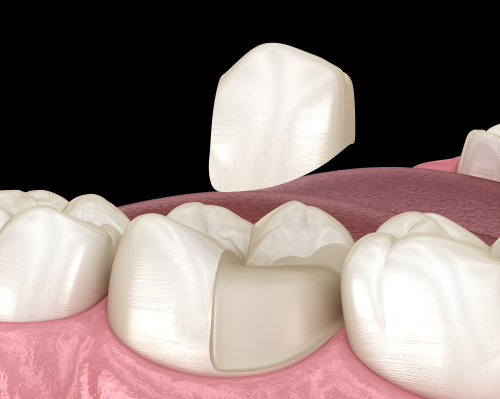
Todd Shatkin DDS is an experienced cosmetic dentist providing affordable porcelain veneers in Buffalo, NY. Contact the Aesthetic Associates Centre today to arrange your free porcelain veneer consultation. Do you have discolored teeth that remain discolored despite whitening treatments? Does a cracked or chipped tooth keep you from flashing that beautiful smile? If the answer is yes, then porcelain veneers may be the answer you are looking for. Porcelain veneers are a minimally invasive permanent cosmetic dental option that can help restore your beautiful smile and, in some cases, help maintain dental health. What are Porcelain Veneers? Porcelain veneers are a thin piece of porcelain that a dentist bonds directly to the surface of your tooth. Unlike crowns, porcelain veneers go directly onto the surface of the tooth without needing to remove the enamel on the tooth. This layer of porcelain looks like your natural tooth and can cover up tooth discoloration, chips, and cracks in the tooth surface. In addition, porcelain veneers can also build up smaller teeth, adjusting the size, shape, and length. Unlike crowns, porcelain veneers are a permanent cosmetic solution that can last for years and years, without needing to be replaced. When are Porcelain Veneers Used? Porcelain veneers are a cosmetic dental option and are used for patients looking to improve their smile. They can help cover up dental discoloration where procedures like bleaching have been ineffective. Porcelain veneers are a great option when you experience a small chip or crack in a tooth. If you have small gaps or spaces between teeth and don’t want to invest in braces, porcelain veneers can be an alternative choice. They are able to fill in small gaps and even adjust the size, shape and length of an individual tooth. In a non-cosmetic approach, porcelain veneers can help maintain dental health in patients with weak or damaged tooth enamel. Because the veneers cover and bond to the tooth surface, they provide a protective barrier in cases where weak enamel may not. What to Expect When Getting Veneers Getting a porcelain veneer typically takes a couple of appointments. The initial appointment includes x-rays and a consultation with the dentist to go over the goals you hope to achieve with the veneers. The dentist will then trim a small amount of enamel off the tooth and then take an impression of your teeth. He will also look to match the color of the veneer with your surrounding teeth. This impression is then sent to our dental lab across the street where the porcelain veneers are made. Once our dental lab customizes your veneers, you will return for a full dental cleaning and the surface of the tooth will be slightly roughened to improve the adhesion of the veneer. Using a special cement, the veneer will be attached to your tooth and then an ultraviolet light is used to secure the adhesion. The dentist will trim the veneer if necessary. Things to Consider Before Choosing Porcelain Veneers Porcelain veneers are a minimally invasive procedure, with minimal risks. The most common complication associated with porcelain veneers is tooth sensitivity. Because some of the enamel is removed, patients can experience temporary tooth sensitivity, especially to hot and cold. A sensitivity toothpaste is often recommended, and the sensitivity typically goes away within a few weeks. In rare cases, a porcelain veneer may refuse to bond to the surface of the tooth and will fall off. In these cases, a crown may be necessary to replace the veneer. Because a veneer is a thin piece of porcelain, it can become worn down and prone to chipping or breaking. Minor chips can typically be repaired with dental bonding, but more major damage can require a replacement veneer. As you age, your gums shrink and pull away from the body of the tooth. When this happens, the margin around the veneer may show. In this case, you may opt to replace the veneer with a new one in order to match the new gum line. How to Care for Porcelain Veneers When it comes to caring for your new porcelain veneers, there are a few things to consider. Because these veneers are a thin piece of porcelain, they aren’t necessarily as strong as your tooth. Your dentist may recommend against eating hard foods, such as raw carrots or hard candies, as these could lead to cracks or chips in the veneers. If you grind your teeth at night when you sleep, your dentist may recommend a night guard to protect your veneers from grinding and potential damage. Regular brushing, flossing, and dental cleanings help ensure the life of your veneers and alert the dentist to any potential problems before they become bigger. If you are interested in finding out if you are a candidate for dental veneers and how they can help improve your smile, contact Todd Shatkin DDS as the Aesthetic Associates Centre to arrange a free porcelain veneer consultation.

Fixed Bridges
Fixed Bridges
Free Consultation

Todd Shatkin DDS is an experienced Buffalo dentist providing affordable fixed bridges to patients throughout Western New York for over 30 years. Contact Aesthetic Associates Centre today to arrange your free consultation and learn if a fixed bridges are right for you. With age, injury, or dental care challenges, tooth loss can occur. Fixed bridges, as the name applies, creates a dental bridge between your natural teeth and helps you keep your natural face shape. If you have suffered from a tooth loss, your dentist may suggest a bridge to fill in the gap the missing tooth has created, helping you maintain your natural bite and keeping your other teeth where they should be. A fixed bridge is a common dental procedure performed in dental offices every day. What are Fixed Bridges? A traditional fixed bridge is used to replace a missing tooth when the natural teeth on both sides are strong enough to support the bridge. A bridge is a fake tooth, or pontic, that is attached and held in place by dental crowns placed on the surrounding teeth. These crowns, known as abutments, are cemented onto the healthy teeth. The pontic looks and acts like a natural tooth, returning your natural smile as well as helping to maintain your natural facial structure. Why Would You Need Fixed Bridges? While a missing tooth may not bother you when it comes to your appearance (especially if it is in the back and not noticeable), a missing tooth can cause have long-term consequences. Your teeth maintain their natural position because of each other. When a tooth is lost and a space opens, teeth can shift. This can affect your bite as well as place added stress on other teeth, leading to possible pain and additional tooth loss. When a tooth is missing, it can also contribute to shrinking jaw bones. This shrinkage can affect how the jaw supports your lips and cheeks, often leading to facial shape changes and an older appearance. In addition to shifting and facial changes, missing teeth can contribute to chewing and eating problems, loss of confidence, missed job opportunities, depression, and more. A 2015 study by the American Dental Association showed a connection between lower self-esteem, lower quality of life, compromised mental health, and missed job opportunities because of poor dental health and missing teeth. It showed that one in four adults avoid smiling because of dental issues while one in five experience anxiety because of poor dental health and missing teeth. Fixed bridges are one treatment option that can help restore your confidence and help create a healthy mouth. What to Expect with a Fixed Bridge Procedure? A fixed bridge procedure typically takes more than one dental visit. During the initial visit, the dentist must prepare the natural teeth on both sides of the missing tooth. Because the crowns will attach to these teeth, the dentist must remove some of the surface enamel. Once this is done, a dental impression is made of the teeth and then sent to a laboratory where the bridge is made. A temporary bridge is put into place until the permanent bridge is complete. At the second appointment, the dentist will fit and adjust the permanent bridge as necessary before cementing it onto the neighboring teeth. This is a permanent attachment and is not able to come out. Cantilever Fixed Bridges In cases where the missing tooth only has a supporting tooth on one side, a cantilever bridge can be an option. In this case, the bridge and pontic is attached to only one crown. The downside to this is that the bridge is not as stable as one held in place on both sides. However, this is often the option for a back molar that only has one neighboring tooth available. A Fixed Implant Bridge In cases where there are numerous missing teeth or the neighboring teeth are not stable to support a bridge, an implant-supported bridge is often used. In this case, an implant post is surgically inserted into the jaw bone to hold the pontic in place. This helps to stabilize the surrounding teeth as well. Caring for Your Fixed Bridges Caring for your fixed bridges is essentially the same as caring for your natural teeth. Regular brushing and flossing help to remove plaque and tartar buildup. Seeing your dentist regularly for checkups and professional cleanings help maintain good oral and bridge health and allows the dentist to notice any possible problems with your fixed bridges before they becomes a problem. Because your natural support teeth have crowns, avoid eating hard foods and candies that can damage the crowns. If you are missing teeth and would like to restore your smile and keep your facial structure from changing, contact the Aesthetic Associates Centre today to arrange a free consultation with Dr. Todd Shatkin to go over your treatment plan options and find out if fixed bridges would work for you.

Teeth Whitening
Teeth Whitening
Free Consultation

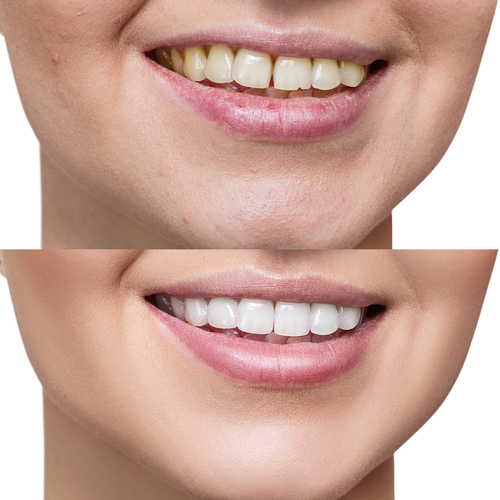
Todd Shatkin DDS is an experienced Buffalo dentist providing affordable teeth whitening throughout Western New York. Contact Aesthetic Associates Centre today to arrange your free teeth whitening consultation. As a baby, your teeth typically erupt through the gums as pearly white little nuggets. Unfortunately, over time, many different things can contribute to tooth discoloration, leaving you with a smile that just isn’t quite as bright. These days, everywhere you look you can find products claiming to whiten teeth. Everything from special toothpaste and at-home treatments, to professional whitening and bleaching done by your dentist. When choosing a tooth whitening option, it is essential to know all the information before you get started. What Factors Can Contribute to Tooth Discoloration? When it comes to tooth discoloration, the causes can be broken down into two main factors: internal and external. Internal changes occur when something affects the enamel or underlying dentin of the tooth. Some of the most common internal causes of discoloration include frequent antibiotic use, tooth decay, dental restorations, and trauma to the tooth or gums when the tooth is developing. Unlike internal causes that are often unavoidable, external causes are something you have a little more control over. The most common causes of external discoloration are smoking and certain beverages, such as coffee, tea, and sodas. With a few lifestyle changes, you can minimize discoloration from occurring and, should you choose to whiten your teeth, you must consider these external factors, as they will continue to discolor your teeth. Is There a Difference Between Whitening and Bleaching? When most people think about brightening their smile, they think of whitening their teeth. For this reason, the term whitening is often used to cover every treatment option available to restore a white color to the teeth. However, there is a distinct difference between whitening products and dental bleaching. Teeth whitening products, such as toothpastes, are designed to remove particles and stains on the surface of the tooth. While this can be beneficial and provide great results for removing external tooth discoloration, they will not address any internal discoloration of the teeth. What is the Best Way to Really Achieve a Whiter Smile? Cosmetic dentists specialize in restoring beautiful smiles and this is the best place to start. In-office teeth whitening is the safest and most regulated option for treating tooth discoloration. Before applying a whitening treatment, your dentist will thoroughly clean your teeth, removing any plaque or debris that can affect the whitening process. A check extractor is put into place to minimize contact of the bleaching agent to your skin and lips. A protective agent is also applied to the gumline to reduce contact. Your dentist will apply the bleaching agent to each tooth, making sure the tooth is completely treated. This chemical remains on your teeth for 15 to 30 minutes and, in some cases, a special light is used to enhance the whitening process. In cases where only mild bleaching is necessary, or to help you maintain your new white color, the dentist can opt to send you home with a whitening kit. These kits are different than the ones that you can pick up at a local store. The bleaching concentration is higher, and they typically include a mold specifically made for your mouth to ensure that the chemical spreads evening over all your teeth. Can Teeth Whitening Damage My Teeth? While repeated teeth whitening can wear away at the tooth’s enamel, occasional whitening is safe and comes with little to no side effects. After a whitening treatment, you may experience temporary tooth sensitivity, though this typically goes away within a few days. Your dentist may recommend a toothpaste designed for tooth sensitivity after a whitening treatment. Gum irritation can occur if the chemical comes in contact, but this typically resolves within a few hours. Taking Care of Your New Pearly Whites After a tooth whitening treatment, there are a few things to consider. Remember that external factors can still contribute to tooth discoloration. If you can give up your morning coffee, consider brushing your teeth with a whitening toothpaste after you have had coffee, tea, or soda. This will extend the life of your new and bright smile! If you would like to learn more about how teeth whitening can deliver new life to your smile, contact Todd Shatkin DDS at the Aesthetic Associates Centre to arrange your free consultation.

Dental Crowns
Dental Crowns
Free Consultation

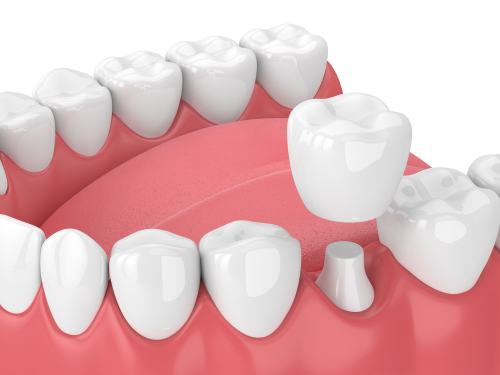
Todd Shatkin DDS is an experienced cosmetic dentist providing affordable dental crowns in Buffalo, NY. Contact the Aesthetic Associates Centre today to arrange your free dental crown consultation. Dental crowns are one of the most common procedures performed in dental offices today. They are a restorative dental prosthetic that can help to restore damage teeth and provide additional stability to weak teeth. They are used in connection with a variety of different procedures and dental restoration, including root canals and partial dentures. They provide a strong, permanent solution to many dental problems. What is a Dental Crown? A dental crown is essentially a cap that is placed over and bonded to a damaged tooth, completely covering the surface area of the natural tooth. It is designed to restore shape and stability to the tooth while providing a look similar to a natural tooth. Dental crowns vary in composition and come in four main varieties. Ceramic dental crowns are most commonly used on the front teeth because they have the ability to blend and match best with the natural teeth, giving you a beautiful and natural looking smile. Porcelain-fused metal dental crowns are very similar to ceramic, but the metal base provides a stronger option with more stability. Gold alloy dental crowns are a mix of metals and are much more durable, with no risk of fracture or wear. You and your dentist may opt for this on a back molar that is not seen when you smile but is most prone to wear. Base metal alloys are again a strong and durable metal option most used for back teeth. Why Would I Need a Dental Crown? Dental crowns are used for a variety of restorative reasons. They have the ability to protect weak teeth, restore the natural shape to teeth that have been broken, help keep cracked teeth from additional damage, support teeth with large fillings, and increase stability of anchor teeth for people needing partial dentures. Dental crowns are also used as anchors for dental implanted teeth, to stabilize supporting teeth for a bridge, and to cap teeth after root canal therapy. For those looking at a purely cosmetic solution to tooth discoloration or uneven tooth shape, dental crowns can also be used to improve your smile. What to Expect When Getting a Crown A dental crown procedure typically takes two appointments. During the first appointment, the dentist prepares the tooth for the crown. This can include removing decay, removing part of the tooth, or, if the tooth is weak, building up the core of the tooth, often with a metal post. The dentist will then make a mold of the tooth and surrounding teeth that is sent off to a dental lab that will make the crown. At this point, your dentist will put a temporary crown in place until the permanent crown is ready. For the second appointment, you will return for the permanent crown. The dentist will remove the temporary crown and put the permanent crown in place. He will check your bite and make any necessary adjustments to the crown before bonding it in place. Caring for Your Dental Crown Caring for a crown is, for the most part, similar to caring for your natural teeth, with some considerations. Regular brushing and flossing will help remove plaque and buildup from your teeth and keep your gums healthy, providing an environment that will maintain the life of the crown. Regular dental visits allow your dentist to monitor the crown for any signs of chips or cracks or signs that the bonding of the crown is coming loose. If he finds these problems, he can address them before they cause greater damage. With ceramic and porcelain dental crowns, you must use care to avoid cracks and chips. Try and avoid hard candies and other food, such as ice cubes, as these can damage the crown. Regular checkups will monitor any extreme wear occurring with the crown and make adjustments as necessary. While minor cracks or breaks can be fixed, larger damage can require the removal of the crown and the need for a replacement. Schedule A Free Consultation With Todd Shatkin DDS Today! Whether you are considering a crown for restorative or cosmetic purposes, give our office a call today and we can set up an appointment with dedicated Buffalo dentist Todd Shatkin DDS to discuss your options, how a crown may benefit you, and create a treatment plan that best addresses your needs.

Porcelain Inlays
Porcelain Inlays
Free Consultation

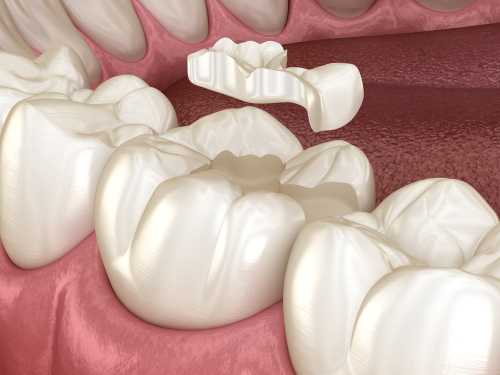
Todd Shatkin DDS is an experienced Buffalo dentist providing affordable porcelain inlays throughout Western New York. Contact Aesthetic Associates Centre today to arrange your free cosmetic dentistry consultation and learn if porcelain inlays are right for you. When you have mild to moderate decay in a tooth, your dentist will perform a filling in order to remove the decay and regain tooth stability. While many dentists opt to use fillings made from composite or amalgam, porcelain inlays, known as indirect fillings, are another option that provides a well-fitting, stronger, and longer-lasting solution, that is both functional and esthetically pleasing. Porcelain inlays are used when the decay occurs within the center of the tooth. What is a Porcelain Inlay? When you have a traditional filling, the tooth is filled with a material right there during the procedure. This material is typically a composite or amalgam material. Porcelain inlays are different in that they are created indirectly in a dental lab before being fitted and bonded to the tooth. The porcelain inlay is made to match the natural tooth color, so they blend in with the tooth and there is no visible sign of a filling. Porcelain inlays offer a superior fit and preserve more of the natural tooth than regular fillings. They are naturally stain-resistant, so they do not discolor over time and some composite material does. When is a Porcelain Inlay Used? Porcelain inlays are used in place of traditional fillings where there is only a small amount of decay, not involving the cusps of the teeth. If the cusps are involved, an only becomes the option. Inlays are recommended when a tooth experiences decay, a break, or a fracture that does not affect the cusp, the injury or decay is extensive and requires a large filling that could weaken the remaining tooth, or in cases where there is not enough tooth material to support a crown. What to Expect When Getting Porcelain Inlays In most cases, a porcelain inlay procedure will require at least two visits to the dentist. During the first visit, the dentist will address the damaged tooth. This involves removing decay and preparing the tooth for a filling. Once completed, the dentist will make an impression of the tooth and the area where the inlay will be placed. This impression is then sent to the lay that will make the porcelain inlay. At this point, the dentist will put in a temporary filling. Once the dental laboratory makes the inlay and returns it to the dentist, you will go in for the second appointment. The temporary filling is removed and the inlay in bonded into place. The dentist will check the margins and your bite and polish the inlay to complete the procedure. Benefits of Porcelain Inlays While many people choose porcelain inlays because they match their natural color of their tooth (making it an ideal cosmetic choice), there are additional benefits over traditional fillings and crowns. Porcelain inlays do not require as much of the tooth be removed as other fillings or crowns do, leaving more original tooth structure remaining. When it comes to fit, inlays are far superior in certain conditions. If you have minimal decay that extends into flossing areas, the unique and custom fit of an inlay ensures no loose edges that may get caught in the floss and pull out. Traditional composite fillings can shrink over time but, because inlays are custom made to fit a specific space, they will not change in size, ensuring a long-lasting and precise fit. In teeth with larger areas of decay, porcelain inlays can help to stabilize and save the tooth. In addition, because of their custom and precise fit, inlays provide a better choice for fillings between teeth. Inlays seal these areas better than composite fillings and reduce the risk of bacteria getting into the filling and causing more decay. Caring for Porcelain Inlays Because of their improved fit, porcelain inlays are very easy to care for. Regular brushing and flossing will help maintain healthy oral hygiene. Regular dental cleanings allow for the dental office to monitor inlays and catch any concerns before they become a problem. With good oral care, your inlays can last for years and years. If you are in need of fillings and would like more information on porcelain inlays and how they may benefit you, give our office a call today and we can schedule an appointment. If you would like to learn more about how porcelain inlays can help you achieve the smile of your dreams, contact Todd Shatkin DDS at the Aesthetic Associates Centre to arrange your free consultation. Let his 30+ years of experience in cosmetic dentistry work for you!

Porcelain Onlays
Porcelain Onlays
Free Consultation

Todd Shatkin DDS is an experienced Buffalo dentist providing affordable porcelain onlays for patients throughout Western New York. Are you considering porcelain onlays and aren’t sure if they are right for you? Contact Aesthetic Associates Centre today to arrange your free consultation. When you have dental decay and a cavity that needs fillings, your dentist has a variety of different options. Porcelain onlays are a form of dental restoration often used in place of traditional composite or amalgam fillings when the decay is present on the chewing or biting surface of a tooth. What your dentist decides to use depends on a variety of different factors, including where the tooth is located, the structural integrity of the tooth, and which option works best for your particular case. What is a Porcelain Onlay? Unlike traditional composite or amalgam fillings that are filled into the decayed tooth at the time of treatment, porcelain onlays are custom fit, pre-molded restorations made to perfectly fit into the decayed area of the tooth. Because they are custom-made, they may require two separate appointments and a molding of your tooth in order for our dental lab to create the onlay. Porcelain onlays are designed to match your natural tooth color and, in most cases, are very difficult to notice once in place. This makes them a great option for fillings needed in teeth exposed when you smile. When Will a Dentist Suggest a Porcelain Onlay? Porcelain onlays are designed to fit into cavities that extend into the biting or chewing surface of the tooth. Your dentist may decide to use an onlay in cases where the decay has damaged enough tooth that the main structure is weak and using a composite of amalgam filling could put the tooth at risk of cracking. A porcelain onlay is also a possible replacement for a crown when there is enough healthy tooth remaining. Using an onlay allows the dentist to keep more of the natural tooth, whereas a crown would require additional tooth structure removal. This restoration method is also available to replace previous fillings that may have fractured or fallen out. Because of their custom fit, onlays provide a much more stable filling option. What to Expect When Getting a Porcelain Onlay In order for your dentist to use a porcelain onlay, you will be required to have at least two appointments. During the first appointment, the dentist will prepare the tooth, removing all the decay to reveal the healthy tooth structure. Once complete, the dentist will make a mold of your tooth that will be sent to the laboratory so they can make the onlay. At this point, the dentist will put a temporary filling in place. Once the permanent onlay is received, you will come in for your second appointment. The dentist will remove the temporary filling and once again clean the tooth. The permanent onlay is put in place and the dentist will check the fit, making sure it doesn’t negatively affect your bite in any areas. Once the fit is good, the onlay is permanently bonded to the tooth. What are Some Benefits of Porcelain Onlays? Porcelain onlays provide many different benefits over standard fillings and crowns. Standard fillings often require the removal of more tooth structure, leaving the tooth in a weaker state and more prone to further damage. Onlays allow the dentist to preserve more of the natural tooth and, because they are custom-fitted, they provide a seal for the tooth that keeps out bacteria that could cause more decay. In cases where a crown is needed, onlays provide an alternative that again keeps more of the natural tooth, making it a stronger and healthier option. In front teeth, onlays provide a nearly invisible restoration option as they are designed to match your natural tooth color and the fit is so precise it is often unnoticeable. While not all cavities are good candidate for onlays, talk with your dentist and discuss how they could benefit you. Do Porcelain Onlays Require Any Special Care? When it comes to porcelain onlays, care begins before the onlay is even in place. Once the temporary filling is in place, it is essential to take care around that tooth. Do not floss in that area or eat hard or sticky foods, as these things can pull out the temporary filling, leaving the tooth nerves exposed. Always return to have the permanent onlay put into place. Once the onlay is bonded to the tooth, proper oral hygiene, good eating habits and regular dental check-ups and cleanings are all you need to maintain the life of your new porcelain onlay. If you would like to learn more about how porcelain onlays can help you achieve the smile of your dreams, contact Todd Shatkin DDS at the Aesthetic Associates Centre to arrange your free consultation. Let his 30+ years of experience in cosmetic dentistry work for you!

Composite Fillings
Composite Fillings
Free Consultation

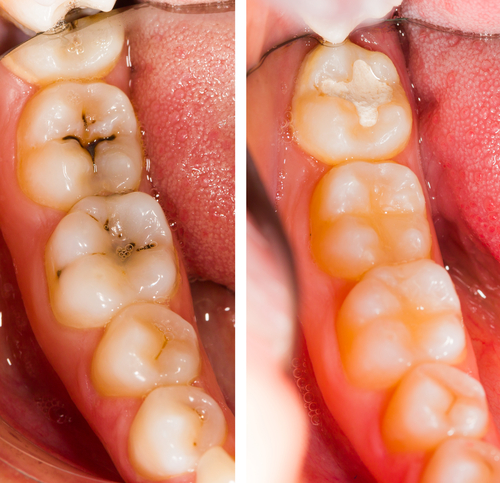
Todd Shatkin DDS is an experienced Buffalo dentist providing affordable composite fillings to patients throughout Western New York for over 30 years. Contact Aesthetic Associates Centre today to arrange your free consultation and learn how composite fillings can help enhance your smile. When it comes to cavities and the need for fillings, traditional amalgam fillings, known as silver fillings, are a mixture of metals that have been used since 1895. While these provide an economical and long-lasting filling option, they are very noticeable and can affect a person’s self-confidence. Composite fillings are made from a tooth-colored resin of ceramic and plastic mimic the appearance of natural teeth and are often unnoticeable to others. What are Composite Fillings? Composite fillings are made with a mixture or ceramic and plastic material. They are made to perfectly match the color of your natural teeth and, when put in place, they are invisible. They bond easily to the surface of the tooth and require less drilling, so the dentist is able to maximize the amount of natural tooth remaining. Many dental insurance plans cover the cost of composite fillings. Why Would You Need a Composite Filling? A composite filling is used to fill a tooth after the dentist removes the decayed portion of a cavity. In addition to cavities, composite fillings can also help repair cracked or broken teeth, offering a natural solution. If your teeth are worn down from nail-biting or teeth grinding, a composite filling can help provide additional stability. While amalgam fillings can be used, composite fillings are used more often now because of the fact they are nearly invisible. In a society that puts a lot of weight on appearance, choosing an invisible filling over a mouth full of metal is typically the preferred choice. What to Expect When Getting Composite Fillings? If you are getting a composite filling done due to a cavity, your dentist begins with a local anesthetic to numb the area around the tooth. Using a drill, air abrasion instrument, or a laser, he will remove the decayed portion of the tooth. Once all the decayed material is removed, the dentist will clean the tooth and remove any bacteria or debris present. Composite fillings are applied in layers in order to fill the area. After each layer is applied, a special light helps to cure and harden the composite. Once all the layers are applied, the dentist will trim and shape the material into the desired shape, checking that your natural bite is not affected. Finally, the composite will be polished and completed. After Your Procedure Because of the anesthetic used during the procedure, your mouth is likely to still be numb when you leave the office. It is very easy to bite you tongue, cheek, or lip in this case, so it is advised not to eat anything until the numbness goes away. Caring for Composite Fillings Caring for your filling depends on a variety of different factors. As with all your teeth, regular brushing and flossing is essential to maintain good oral health and your filling is no different. Composite fillings can stain and discolor over time, so be aware of this if you are a smoker or drink coffee, tea, and wine. If the composite filling is in a front tooth, use caution when biting into hard foods. Schedule regular dental visits so that your fillings can be checked for cracks or shrinkage before it becomes a problem. While these fillings are strong, they can shrink and will sometimes fall out. If this occurs, contact your dentist immediately. Notify your dentist if you notice a crack or chip in the filling. If you would like to learn more about how composite fillings can boost your confidence, function, and help you achieve the smile of your dreams, contact Todd Shatkin DDS at the Aesthetic Associates Centre to arrange your free consultation. Let his 30+ years of experience in cosmetic dentistry work for you!

Dental Exams
Dental Exams
Free Consultation

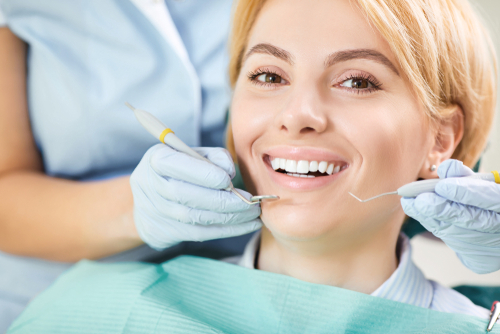
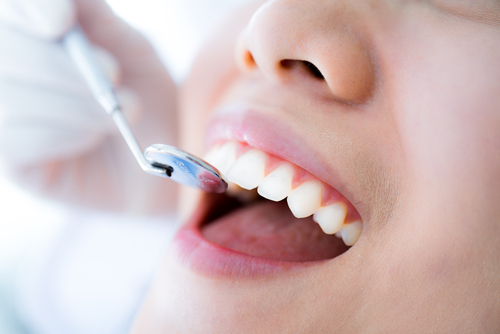
Todd Shatkin DDS is an experienced Buffalo dentist providing affordable dental exams to patients throughout Western New York for over 30 years. Contact Aesthetic Associates Centre today to arrange your dental exams and cleanings today. Regular dental exams and cleanings are an important part of making sure your gums and teeth stay healthy. While they are necessary to keeping your pearly white smile, they also play a much bigger role in your overall health. If you practice good oral hygiene at home, you may feel it is not as important to see the dentist on a regular basis, but those regular visits enable your dentist to see signs of potential damage or underlying medical conditions you might not be aware of. What Are Routine Dental Exams? Routine dental exams are an appointment where the dentist can thoroughly exam your teeth and look for any possible concerns that may not be visible to the naked eye. Using x-rays, the dentist can spot areas of decay in the teeth that a physical exam may not see. After examining the x-rays, the dentist does a full mouth exam, starting with your teeth. If x-rays showed decay, these areas will be closely checked to see if you have any cavities. The dentist also looks for areas of plaque and tartar buildup on your teeth. The dentist will also examine your bite for any problems. Next, the dentist does a full examination of your gums. A special tool helps the dentist to measure the depth of the tiny spaces between your gums and teeth. Spaces should be shallow. Deeper spaces can be an indication of gum disease. In addition to your teeth and gums, the dentist will examine your head, face, neck, throat and tongue, looking for any signs of redness, swelling, or signs of underlying medical conditions, such as autoimmune disease or cancer. If you have problem areas, the dentist may talk with you and show you better methods of oral care in order to improve the health of your teeth. If problems are noted, future appointments may be required for fillings or other dental work. What is a Dental Cleaning? A dental cleaning is the second part of routine dental care and is essential for the health of your teeth. Tartar cannot be removed through regular brushing and flossing, so the dental hygienist uses specialized tools to remove the tartar and clean the teeth. During a cleaning, you may have a fluoride application, children may have sealants applied, and tooth stains can be treated. If your dental care at home is not keeping up with plaque, you may receive education and instruction on how to better care for your teeth. If your dental exams show signs of gum or periodontal disease, the dentist may recommend a deep cleaning. This procedure is known as scaling and root planing. This method of cleaning focuses on the tartar buildup on the surface of the teeth as well as in the deep pocket between the tooth and gums. This can be performed with manual or ultrasonic instruments. In most cases, a deep cleaning will require more than one appointment. How Often Should I See the Dentist? How often you should see the dentist depends on a variety of different factors. The general rule of thumb is to have dental exams and dental cleanings performed at least every six months. If you have dental issues, such as increased plaque production and build-up, your dentist may recommend more frequent visits, such as four times a year. Why are Regular Dental Visits So Important? Regular dental visits and cleanings help to ensure the health and wellness of your teeth and gums. While daily oral hygiene is important, regular visits allow for potential issues to be discovered and addressed before they become bigger issues and lead to tooth loss. But it isn’t just your teeth that make regular dental care so important. Regular visits allow your dentist to notice signs and symptoms of other potential medical concerns. Many systemic conditions, such as rheumatoid arthritis, Sjogren’s, lupus, and diabetes can show initial symptoms in the mouth first. Identifying these symptoms and alerting your physician can help keep you healthy. Other conditions, such as oral cancer, can be caught sooner when regular examinations are done. Catching these conditions early allows for better treatment options. If it has been a while since your last dental exams or cleanings, it may be time to schedule an appointment with Dr. Todd Shatkin at the Aesthetic Associates Centre. Give us a call today and let us help keep your teeth, and overall health, as healthy as possible.

Dental X-Rays
Dental X-Rays
Free Consultation

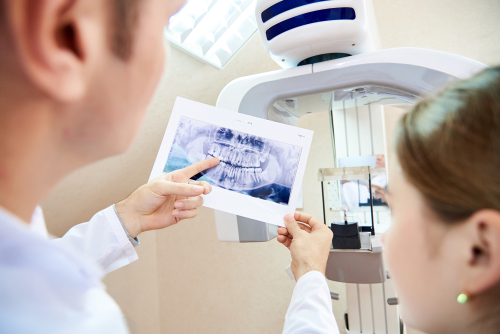
Todd Shatkin DDS is an experienced Buffalo dentist providing affordable dental x-rays to patients throughout Western New York utilizing the latest technology to provide minimally invasive treatments and more accurate diagnoses. Contact Aesthetic Associates Centre today to arrange your free consultation and get your dental x-rays. Dental x-rays are an essential part of any dental practice as they allow the dentist to see things that they can’t with a simple visual examination. X-ray technology allows dentists to see and treat dental problems before they become serious. Newer technology and the development of dental cone beam computed tomography (CBCT) allow dentists to take x-ray imaging one step further and deliver a three-dimensional image of your dental structure, soft tissues, nerve paths, and bone, allowing for more precise treatment planning. What Do Traditional Dental X-Rays Show? Traditional dental x-rays give the dentist the ability to look inside your teeth, the tip of the roots and underneath your gums. This area is not visible to the naked eye, so this gives the dentist a better idea of what is going on inside your mouth. In the dental office, you may receive bitewing, periapical, and panoramic dental x-rays. Bitewings show the crown portion of the teeth and allow the dentist to check for early signs of decay. Periapical dental x-rays look at the bone height and root tips of the teeth. A panoramic dental x-ray creates an image of the entire oral cavity and this can help identify things like impactions, cysts, tumors, jaw disorders, or bone irregularities. Depending on your dentist and your need for care, other x-rays, such as occlusal x-rays, help a dentist evaluate tooth growth in children, while cephalometric x-rays help orthodontists plan orthodontic treatments. What is Cone Beam Computer Tomography (CBCT)? Dental Cone Beam Computer Tomography, or CBCT, is a specialized type of x-ray machine that utilizes technology designed to create a three-dimensional image of your craniofacial region in a single scan. This is a painless and noninvasive procedure that provides a highly accurate diagnostic tool. During a CPCT, an x-ray beam in the shape of a cone moves around the patient with a complete 360-degree rotation, taking a large number of images. In a single rotation, the CBCT is able to generate hundreds of high-resolution images that are then combines to form a 3-D image. These detailed images provide the dentist with a more detailed picture of what is going on. The procedure is quick and only takes between 20 and 40 seconds. This technology gives the dentist an advantage when it comes to creating a precise treatment plan catered directly to your needs. This technology is commonly used now in orthodontic treatment planning but can be essential in complex dental cases such as severely impacted teeth, accurate dental implant placement, evaluating jaw, sinus, and naval cavity issues, diagnosing temporomandibular joint disorder (TMJ), and much more. How Do You Benefit from Cone Beam CT? CBCT is an incredible technological advancement that gives our dentists a powerful diagnostic tool. With a single scan, your dentist is able to get a much more precise picture of your oral health and teeth structure. The 3D imaging allows the dentist to better see any potential problems and better create a treatment plan for you. How Often Should You Have Dental X-rays? Traditional dental x-rays are typically preformed at an initial dental visit. Depending on your oral health and dental needs, additional dental x-rays may be necessary as treatment plans progress. Children and teens with a history of cavities or those that are experiencing tooth development abnormalities may require additional dental x-rays as often as every six months in order to evaluate oral health and track development. Adults with extensive fillings or dental restorations may need dental x-rays more often to look for decay beneath previous work. People suffering from severe periodontal disease may require x-rays more often to check for signs of bone loss and tooth decay. If you have underlying medical conditions, such as Sjogren’s, or take medications that can cause dry mouth, your dentist may request more frequent x-rays in order to better monitor for signs of decay. Because saliva helps regulate the pH in the mouth, dry mouth reduces the pH, causing minerals to break down in the teeth and allow for increasing decay. Smokers and those using other tobacco products may need dental x-rays more frequently to monitor for bone loss, increased cavity risk, and periodontal disease. If you have any questions about your x-rays, why they are necessary, or how they are being used in your treatment plan, give our office a call today or ask your dentist at your next scheduled appointment with Dr. Todd Shatkin.

Root Canal Therapy
Root Canal Therapy
Free Consultation

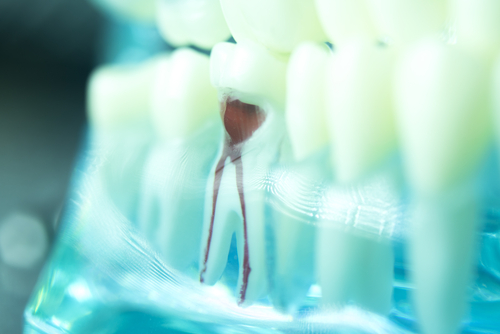
Todd Shatkin DDS is an experienced Buffalo dentist providing affordable root canal therapy for patients throughout Western New York. Contact Aesthetic Associates Centre today to arrange your free consultation with Dr. Shatkin and let him get to the root of the problem. Root canal therapy is a form of endodontic dentistry that deals with the pulp and root of the tooth. With root canal therapy, the inside of the tooth is treated in order to maintain the tooth’s structural integrity. It is used everyday to help save millions of teeth each year. Because damage occurs inside the tooth, it is not always noticeable and does not always cause symptoms, so regular dental visits are essential to catch potential problems and the need for root canal therapy. Your Tooth Structure and How a Root Canal Helps When you look at your teeth, you see the outside structure. You see the surface enamel and the hard layer of tooth known as dentin. What you don’t see is the tooth pulp that lies within. This pulp contains blood vessels, connective tissue, and nerves. The pulp is responsible for helping your teeth grow during development, but once the teeth are established, it is not necessary because the tooth receives nourishment from the surrounding tissue and gums. Deep decay on the outside of a tooth can penetrate into the pulp, resulting in inflammation and infection. When this occurs, a root canal is necessary to remove the infection and the pulp. By doing this, the dentist is able to save the structural integrity of the tooth. When Are Root Canals Necessary and How Would I know if I Need One? Root canal therapy is necessary when the pulp of the tooth becomes infected. Bacteria can enter the pulp through cracks in the tooth, deep decay that penetrates into the pulp, an injury to the face that can cause unnoticed internal damage to a tooth, or around the gum line entering into the root itself. Not all infections and inflammation in the pulp cause symptoms, so you won’t always know there is a problem. If you do experience symptoms, they can include pain and tenderness of the tooth, pain when chewing, new sensitivity to hot and cold, a discoloration of the tooth, an abscess in the gums around the tooth, or painful and red gums. Regular dental checkups can catch inflammation and infection in the teeth if you don’t experience symptoms, making them an essential part of good dental care. What to Expect with a Root Canal? When your dentist determines you need a root canal, you can expect at least two or more appointments to take care of the tooth. In the initial appointment, the dentist will make a small opening in the crown of the tooth, exposing the pulp and the various canals within it. Using small tools, the dentist will work to remove all the pulp from the main chamber and each canal, leaving an open cavity. Once all the pulp is removed the dentist will fill the canals and main cavity with gutta-percha, a rubbery material that is sealed into place with an adhesive cement. If the structure of the tooth is unstable and unable to support a crown, the dentist may opt to place a metal post inside the tooth cavity as well. At this point, a temporary filling is put into place while you wait for the crown to be created in our dental lab. Once we create the crown in our in-house dental lab, you will return for another appointment. At this point, the temporary filling will be removed, and the permanent crown put in place. During and after the procedure, you may experience pain that can range from a dull ache to a more pronounced sharp pain. This pain is typically short lived and will resolve within a few days following the procedure. In some cases, not all of the pulp can be removed in one appointment and you may need additional appointments before the crown is placed. In very rare cases, a small canal can be missed during root canal therapy and the infection can return. If this occurs, the dentist will remove the crown and gutta-percha and remove the pulp in the missed canal. Caring for a Root Canal With good oral hygiene, a root canal and crown can last for years, maintaining healthy tooth structure and stability. Regular brushing and flossing, along with regular checkups help to ensure there are no problems or allow the dentist to catch potential problems before they become bigger. Because the root canal is covered with a crown, it is best to avoid hard foods, such as ice or candies, that could crack the porcelain crown. If you would like to learn more about how root canal therapy can help save your tooth, contact Todd Shatkin DDS at the Aesthetic Associates Centre to arrange your free consultation. Let his 30+ years of experience in dentistry work for you!

Periodontal Disease (Gum Disease)

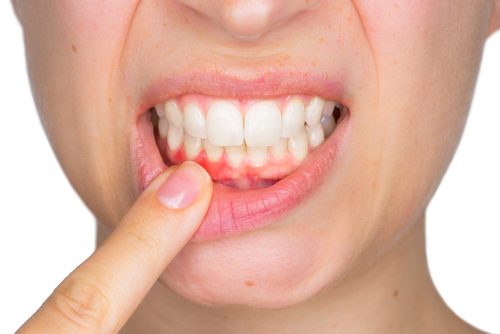
Dr. Todd Shatkin is an experienced dentist providing affordable treatment of periodontal disease in Buffalo, NY. If you or a loved one is dealing with bleeding gums, contact Aesthetic Associates Centre today to arrange your free consultation and put an end to your periodontal disease today! Healthy teeth and gums are essential to overall health and wellness. Periodontal disease affects the gums, ligaments, and bones in your mouth and can lead to tooth loss. While the loss of a tooth can be devastating, periodontal disease has been connected with many other serious medical conditions, such as heart disease, stroke, respiratory disease, and diabetes. Knowing the signs of periodontal disease and having regular dental check-ups is essential to keeping your teeth and body in optimal health. What is Periodontal Disease? Periodontal diseases are infections of the gums, ligaments, and bones around the teeth. The early stage, known as gingivitis, affects only around the gumline. Deep pockets develop in the space between the gums and the teeth, allowing bacteria to become trapped. This leads to swollen and bleeding gums, which is the first sign of periodontal disease. If gingivitis is left untreated, it progresses to periodontitis. This serious gum infection begins to damage the soft tissue and bone that supports the tooth. If left untreated, this can affect the stability of the tooth, often leading to loose teeth or tooth loss. Other signs of periodontal disease can include: - Changes in gum appearance – you may notice swelling, redness, discoloration - Gums that are tender to the touch - Bleeding gums - Receding gums, making your teeth look longer than normal - Pus pockets between the teeth and gumline - Bad breath - Loose teeth - Pain when chewing - A noticeable change in your bite, indicating teeth may be loose What Causes Periodontal Disease? Plaque is the sticky substance filled with bacteria that forms on your teeth. Regular brushing and flossing help remove the plaque build-up on your teeth before it forms tartar. If oral hygiene is not up to par or if there are underlying medical conditions, that plaque can fall below the gumline into pockets between the gums and teeth. Here, the bacteria are protected and allowed to thrive. As the bacteria creates an infection, your body’s immune system kicks in and releases a substance to fight the bacteria, but it also causes inflammation and the destruction of the gums, supporting tissue, and bone. This leads to bleeding gums and gingivitis and, if left untreated, progresses to periodontitis and tooth loss. Treatments for Periodontal Disease The main goal of periodontal disease treatment is to treat the infection by thoroughly cleaning out the pockets and preventing damage to the surrounding tissue and bone. Non-surgical treatments include deep cleanings and antibiotics. During a deep cleaning, scaling removes tartar and bacteria from the tooth surface and from the pockets in the gum. Root planing smoothes the surfaces of the tooth root. In advanced cases of periodontitis, surgical intervention may be necessary. Flap surgery, also known as pocket reduction surgery, cuts and pulls back the gum from the tooth root and allows for deeper scaling and planing, as well as bone recontouring if necessary. Once complete, the dentist sutures the gum back into place. Soft tissue grafts can help when the gumline recedes and needs additional reinforcement. Tissue is taken from the roof of your mouth and attached to the recessed gumline. When periodontitis destroys the bone surrounding the tooth, a bone graft is often necessary. Small fragments of your bone or synthetic bone are put in place to help stimulate regrowth of natural bone and help prevent tooth loss. Guided tissue regeneration is another method to help stimulate bone regrowth. Preventing Periodontal Disease The best way to prevent periodontal disease is good oral hygiene. Regular brushing and flossing help to remove the plaque on your teeth. Regular dental visits and cleanings allow your dentist to help you maintain good oral care, as well as catch periodontal disease early, before it severely damages tissue and causes tooth loss. If you or a loved one are experiencing signs of periodontal disease, give us a call today to set up a free consultation with Dr. Todd Shatkin at the Aesthetic Associates Centre. Let his 30+ years of experience help put an end to your gum disease.

Pediatric Dentistry
Pediatric Dentistry
Free Consultation

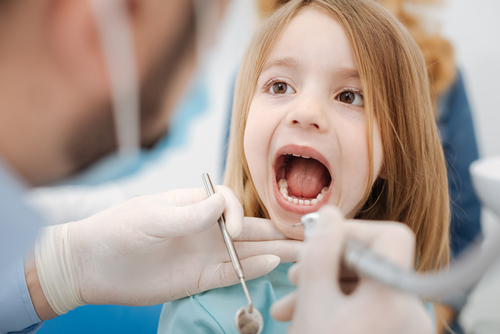
Todd Shatkin DDS is an experienced pediatric dentist providing affordable dental care for children throughout Western New York. Contact Aesthetic Associates Centre today to arrange your free consultation for your child. A child’s first visit to a pediatric dentist can be a scary and intimidating experience. As a parent, you want this experience to be as painless as possible. While all general dental practices can treat children, pediatric dentistry focuses on the special needs of children, including making them feel safe and secure during their first visit to the dentist. This specialized form of dentistry takes a young child’s fear into consideration, while providing the specialized care that new teeth need. What is Pediatric Dentistry? Pediatric dentistry specializes in the treatment of children from infancy to their late teen years. When it comes to oral care, pediatric dentistry focuses on things such as fluoride treatments and dental sealants, working to promote good dental health from an early start. They will take the time to educate both you and your child on things like nutritional habits for healthy teeth, how to properly brush and floss teeth, and address potential issues, such as thumb sucking, that can contribute to dental issues and tooth alignment as your child gets older. A pediatric dentist specializes in dental issues common with children. For instance, the premature loss of a baby tooth due to injury or decay can affect the development and alignment of an adult tooth. Spacers put in place can help prevent other baby teeth from shifting and maintain the location for the adult tooth to erupt through the gum. As a pediatric dentist monitors your child’s oral care from the start, they can watch the growth and placement of teeth, keeping an eye out for early signs of alignment issues and recommend early orthodontic care. If your child sucks their thumb, the pediatric dentist may recommend an oral appliance that helps deter thumb sucking and the complications in alignment it can cause. While many parents wait until their child has a full set of teeth to visit a dentist, it is recommended that a child have their first dental visit around their first birthday, even if they don’t have very many teeth. This allows the dentist to spot possible problems, like missing baby teeth. A pediatric dentist focuses on patients from their first dental visit, making it a much for comfortable experience for both you and your child. Pediatric Dentists Give Your Child an Advantage When it comes to healthy teeth, good oral hygiene is your best line of defense! Pediatric dentists know the importance of starting out with good habits and they work with parents and children, educating them in proper oral care. They will spend the time teaching your child how to brush and floss their teeth, often making it fun with chewable tablets that color the plaque to show children where they missed when brushing. They will talk with you and your child about good eating habits and how too many snacks and sweets can contribute to tooth decay. As adult teeth begin to erupt, a pediatric dentist will recommend sealants to extend the health of the teeth as your child gets older. As your child enters school, they may decide to play team sports, a leading cause of dental injuries. A pediatric dentist may recommend a custom mouthguard to help protect the teeth as your child plays. Does Your Child Need a Pediatric Dentist? All general dentists can treat children and address childhood dental issues. The benefits of pediatric dentistry begin with the fact that all they treat is children. They are comfortable treating young children and know how to make them feel comfortable. While many pediatric dentists have their own practices, you can also find family dental practices that offer general dentists and a pediatric dentist all under one roof. This is beneficial in a couple of ways. Not only can your entire family be seen at the same practice, but as your child grows into adulthood, they can move to a general dentist in the same practice. At Aesthetic Associates Centre, we treat patients of all ages and would love to educate your child on proper oral care. As many children reach adulthood, seeing a dentist is often overlooked. Being familiar with a dental group and having an established care program in place is often enough to continue dental care as they get older. If you are interested in learning more about pediatric dentistry and how we can help start your little one off right, give us a call today and set up their first appointment with Dr. Todd Shatkin at the Aesthetic Associates Centre. With over 30 years of experience providing exceptional dentistry for kids and patients of all ages, he is sure to put a smile on your child’s face.

Reviews

4.9
752 reviews
5 stars
711
4 stars
17
3 stars
3
2 stars
4
1 star
17

Brand Certified Facts from Todd E. Shatkin, DDS

This information is certified by Todd E. Shatkin, DDS and published from the brand's official system of record. Data is distributed through an enterprise-grade knowledge management platform. Learn more about our data sources
Certified July 05, 2026Yext Knowledge Graph
  • Address
  • Categories
  • Geo coordinates
  • Legal business name
  • Hours of operation
  • Phone number
  • Official website
Syndication Network
Approved business data is pushed to 100+ publishers, including: