
Dental Implants
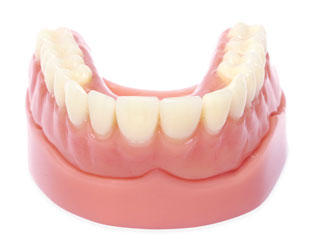
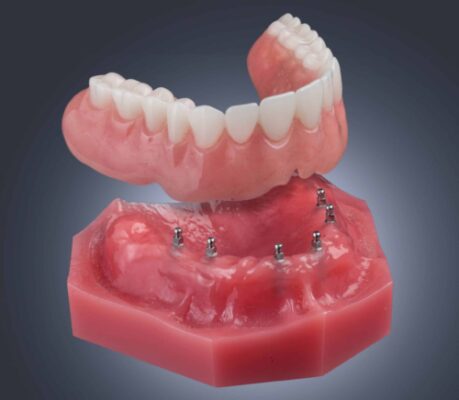
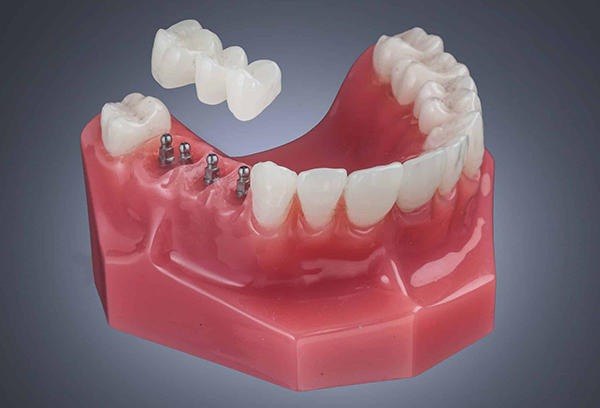
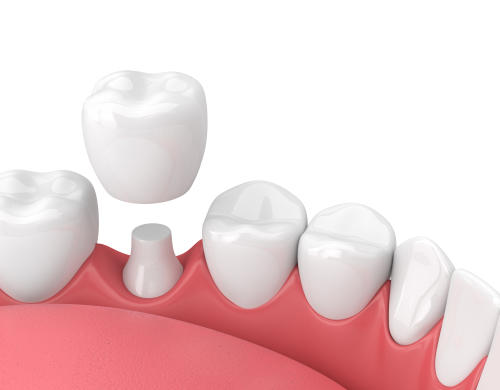
Every artificial tooth may be supported by remaining teeth or stabilized by dental implants. Made from medical-grade titanium (the same material used in hip replacement procedures), these posts screw directly into the jawbone and offer a stable, durable way to keep various dental restorations in place. They can hold up crowns, implant-supported bridges, and implant dentures. Traditional dental implants are two pieces: a screw, which averages 5 mm in diameter, and an abutment that connects the artificial tooth to the implant. Mini dental implants, on the other hand, boast a modern design. This single-piece implant is less than 3 mm wide, making advanced tooth replacement solutions accessible to a wider range of patients. The Benefits of Dental Implants Why choose dental implants over more traditional restorative options? They provide numerous advantages that other treatments can’t match, including: Improved stability and comfort: A restoration stabilized by dental implants will naturally be more stable than tooth-supported restorations. This is because implants are inserted directly into the jawbone. Over time, the implant fuses permanently with the jawbone, providing unparalleled stability and support. There’s no risk of dentures floating or slipping when you wear implant dentures, giving you peace of mind you may not have thought possible. More natural look, feel, and function: In addition, implant-supported restorations function more like real teeth, providing improved biting and chewing power. They’re also designed to blend seamlessly with your smile. Not only will your smile look more harmonious, you’ll be able to enjoy all your favorite foods again. Enhanced durability: Thanks to the stability of the implants, most implant-supported restorations will outlast their traditional counterparts in terms of longevity. And with implant dentures, you’ll know they’ll never lose their shape or fit. You won’t need to have your dentures relined or remade, and you won’t have to use messy adhesives. Better jawbone health: Traditional bridges and dentures may restore your smile, but they don’t maintain your jawbone health. Your tooth’s roots are responsible for stimulating your jawbone when you bite and chew. This stimulation stops when you lose your teeth, leading to jawbone deterioration. Because dental implants are prosthetic tooth roots, they stimulate the jawbone just like natural roots do. This means you can look forward to long-term jaw health. The Dental Implant Process Getting traditional dental implants is a multi-step process that takes several months to complete. Consultation: At your free dental implant consultation, Dr. Aristodemo can examine your mouth and take X-rays. She will design a personalized treatment plan that considers your unique dental structure and needs. At your visit, we can also discuss any dental anxiety you may have and the sedation options we offer. Our compassionate staff will also review your dental insurance and explain our financing options if you need to finance out-of-pocket expenses. Implant placement procedure: We’ll begin by numbing the area with a local anesthetic to make the process as comfortable as possible. After making an incision into the gums, Dr. Aristodemo will carefully place the implant in the jawbone. She will make sure the implants are secure before closing the incision and attaching a temporary replacement tooth. Osseointegration and healing: A conventional implant post must fully integrate with the jawbone before your final restoration can be attached. This integration process, called “osseointegration,” generally takes three to six months. Custom restoration attachment: Your custom restoration is meticulously crafted to fit your mouth perfectly, blend seamlessly with your smile, and function effectively. Once your jawbone has healed and your custom restoration is ready, we’ll remove the temporary one and attach your new teeth.