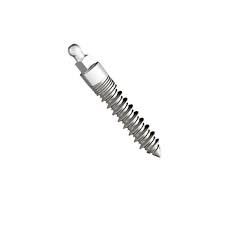
Dental Implants
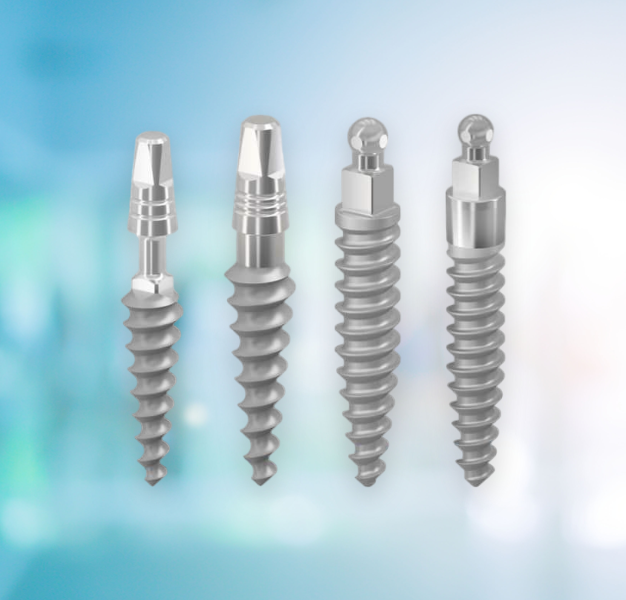
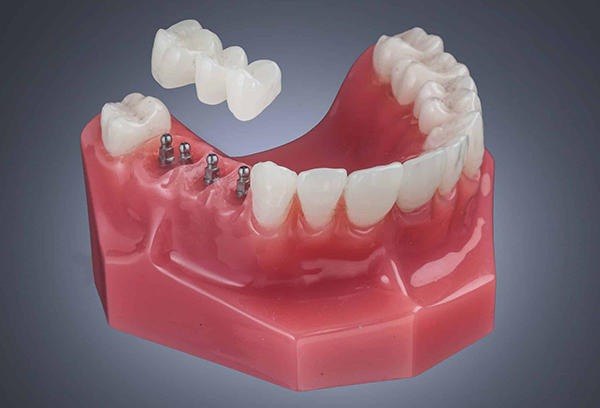
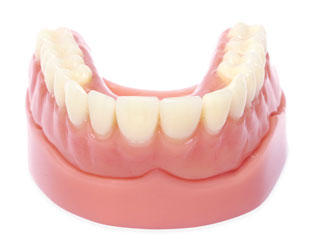
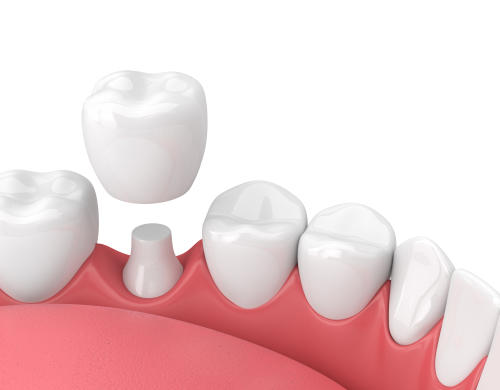
What if you no longer had to adjust your lifestyle because of missing teeth? Imagine smiling wide in a photo, speaking confidently at work, and eating your favorite foods again. All of this is possible with dental implants. Unlike traditional tooth replacement options, dental implants harness the strength of your jawbone to stabilize artificial teeth and restore your bite force. They provide a permanent solution for missing teeth, ensuring you don’t have to compromise on the things that matter most: sincere laughter, great meals, and genuine self-confidence. What Are Dental Implants? Dental Implants in Foley, AL | Book a Free Implant Consultation Mini dental implants (left) and traditional dental implants (right) are reliable options for replacing missing teeth. Dental implants are artificial tooth roots made from durable titanium. We insert them into the jawbone where, over time, they fuse with the bone to provide long-lasting support for false teeth. They’re an incredibly versatile tool in dentistry, as we can use them to support crowns, bridges, or dentures. Patients often ask us why they should consider dental implants over traditional methods like bridges or dentures. It’s not that traditional options don’t work—it’s that dental implants provide many additional benefits in addition to simply replacing a tooth: Enhanced stability: Unlike dentures that can slip or shift, dental implants stay in place because they are anchored directly to your jawbone. This stability means you can eat, speak, and smile without worrying if your teeth will move unexpectedly. Stronger bite force: Dental implants function more like natural teeth, allowing you to enjoy all your favorite foods without worry. While dentures can limit your diet, implants restore nearly the same bite force as real teeth. Better tooth preservation: Unlike bridges, which require altering healthy teeth for support, implants stand independently. This helps maintain the strength and integrity of your natural teeth. Long-lasting results: While bridges and dentures may need frequent adjustments or replacements, dental implants are intended to last for decades. Though the upfront cost is higher, patients often save money in the long run by reducing the need for future dental work. Better jawbone health: When you lose a tooth, the underlying bone begins to deteriorate due to a lack of stimulation from the tooth roots. Implants replace the roots, keeping the jawbone strong and preventing bone loss. Improved facial aesthetics: Implants fuse with the jawbone, helping maintain bone structure and preventing the sunken facial appearance that can accompany tooth loss. The Dental Implant Process With traditional implants, the procedure is spread out over a series of appointments. While the timeline can vary based on your specific needs, the process typically includes these steps: Consultation The first step in replacing your missing teeth is a free implant consultation. At this initial visit, we’ll determine if you’re a good candidate for implants by performing a dental exam and taking a CBCT scan. This advanced imaging system generates a precise 3D image of your mouth and jaw. It allows us to see if you have enough space in your jaw for dental implants. If not, we may recommend bone grafting or mini dental implants instead. No matter your situation, our goal is to find the best solution for you. We’ll also discuss your goals, preferences, budget, and expectations to create a personalized treatment plan. Some patients choose sedation for relaxation, while others opt for L-PRF, a therapy that uses the body’s natural healing abilities to speed up recovery. Bone Grafting for Dental Implant Support Bone grafting is a procedure that rebuilds and strengthens the jawbone, creating a solid foundation for dental implants. When teeth are missing for a long time, the surrounding bone shrinks due to lack of stimulation. If your jawbone isn’t can’t provide sufficient support for an implant, a bone graft can help. Our doctors have extensive experience performing bone grafts, carefully placing bone material—either from your own body, a donor source, or synthetic material—so it integrates naturally. If you need a bone graft, we’ll wait until the tissues have healed fully before placing the implants. Doing so helps ensure long-term success.