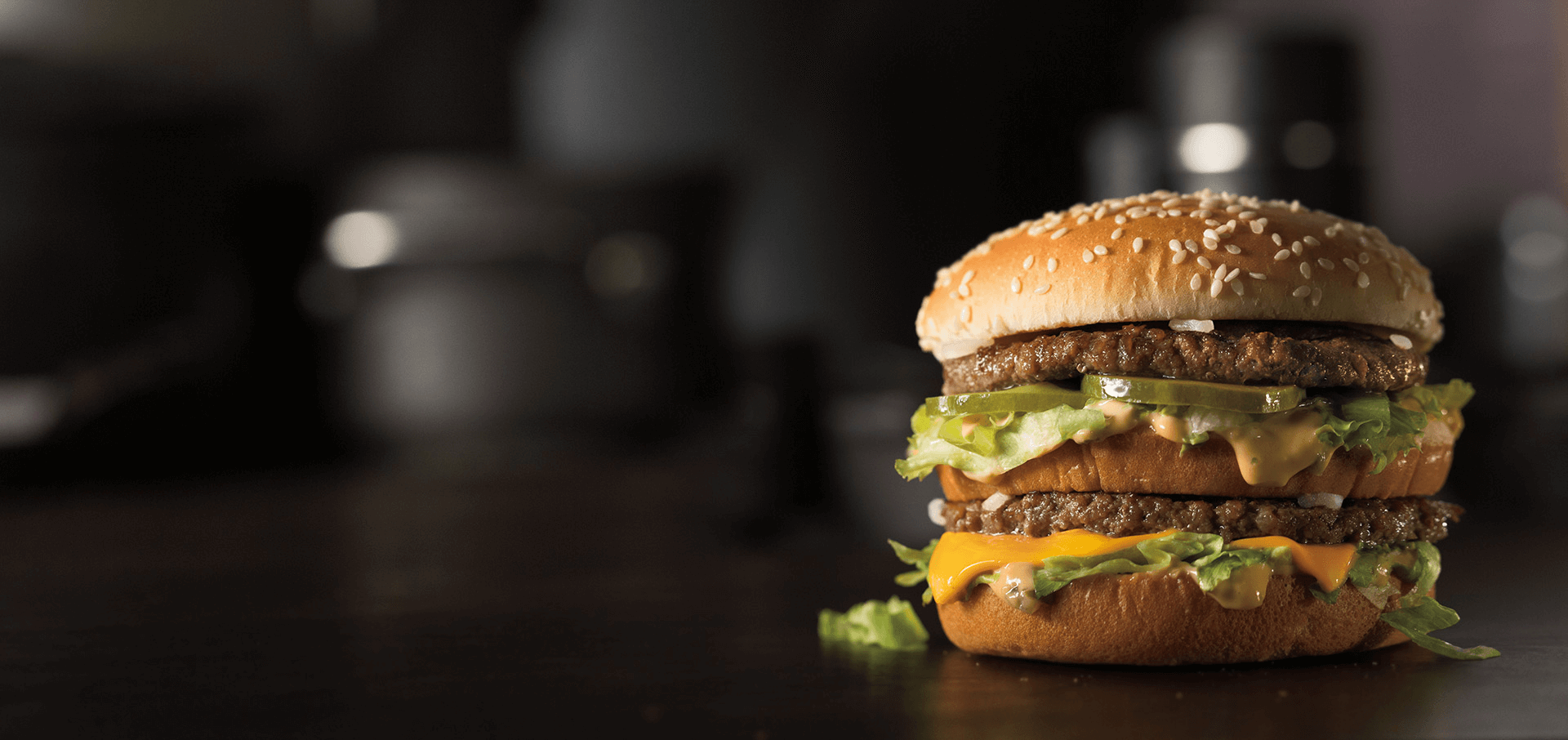
Mouthwatering perfection starts with two sear-sizzled 100% pure beef patties and Big Mac® sauce, sandwiched between a sesame seed bun. American cheese, shredded lettuce, onions and pickles top it off.

Explore offerings from McDonald's on 13100 Cortez Blvd in Brooksville, with popular burgers, chicken & sandwiches, breakfast, and snacks & sides available at this location.
When it comes to our burgers, we mean business. 100% real beef patties that have no fillers, additives or preservatives are the foundation for every Hamburger and Cheeseburger we proudly serve. Whether the Quarter Pounder®*, seared to stay thick and juicy, or the legendary Big Mac®, beef makes for a satisfying bite. *Weight before cooking at least 4 oz.
Mouthwatering perfection starts with two sear-sizzled 100% pure beef patties and Big Mac® sauce, sandwiched between a sesame seed bun. American cheese, shredded lettuce, onions and pickles top it off.
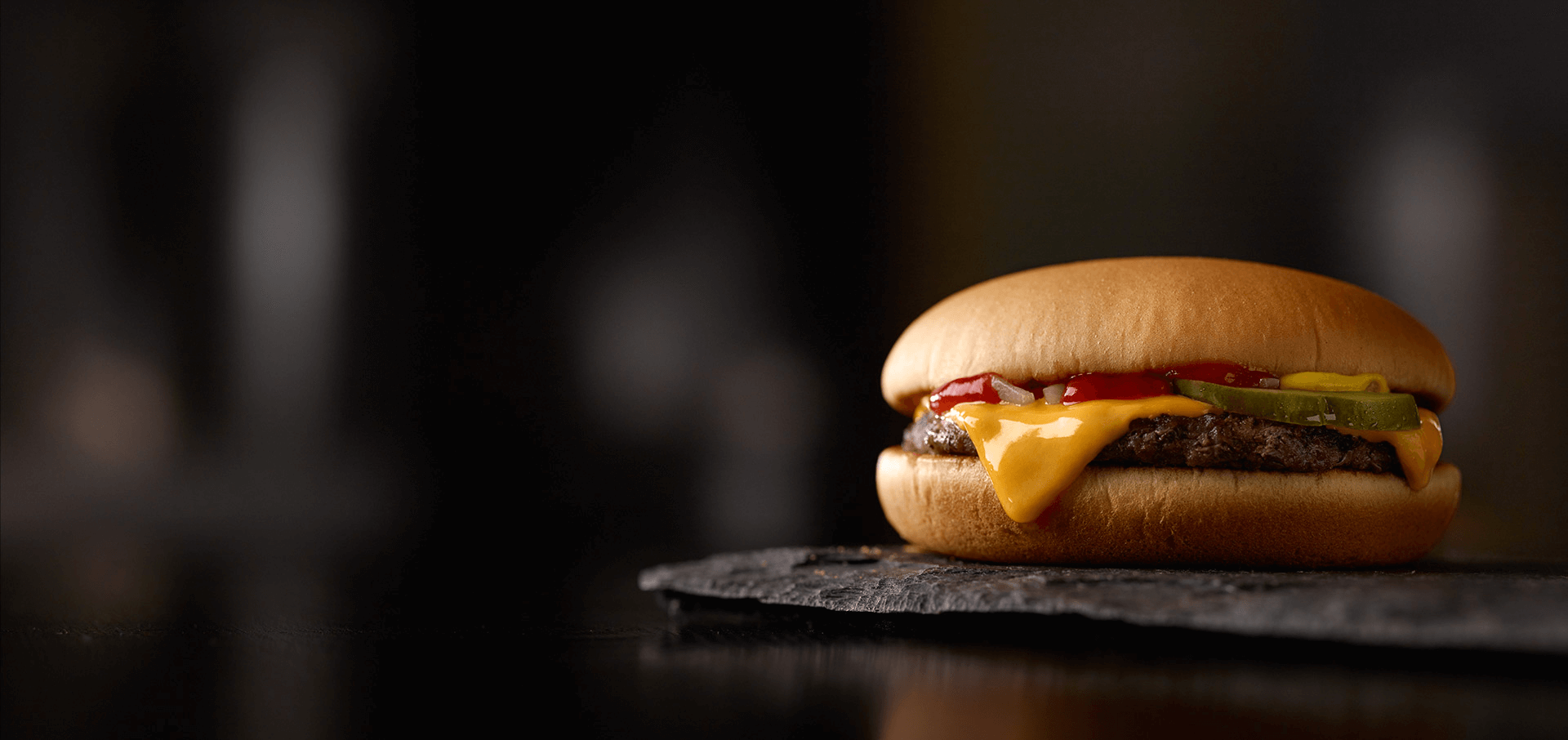
A juicy, 100% pure beef patty with absolutely no fillers, additives or preservatives, seasoned with a pinch of salt and pepper, and topped with a tangy pickle, chopped onions, ketchup, mustard, and a slice of melty American cheese.
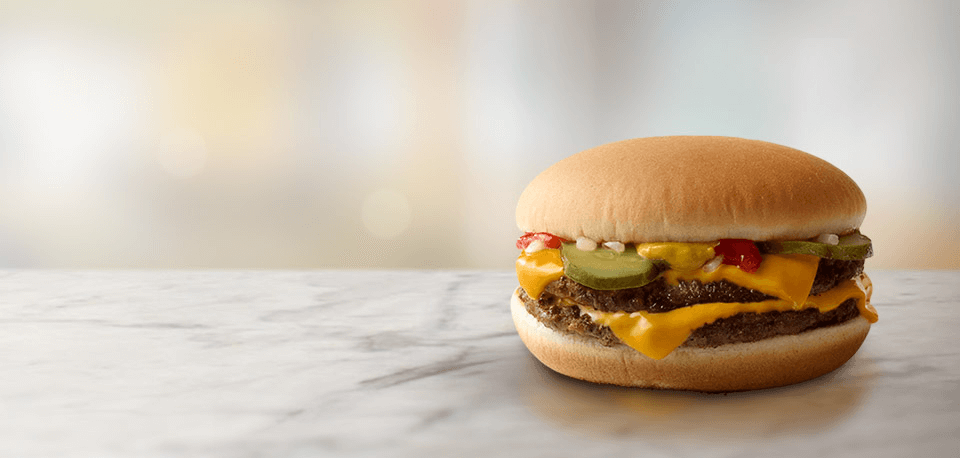
Double Cheeseburger features two 100% pure beef patties with absolutely no fillers, additives or preservatives, seasoned with a pinch of salt and pepper, and topped with tangy pickles, chopped onions, ketchup, mustard and two slices of melty American cheese.* <br><br> *Available at participating restaurants.
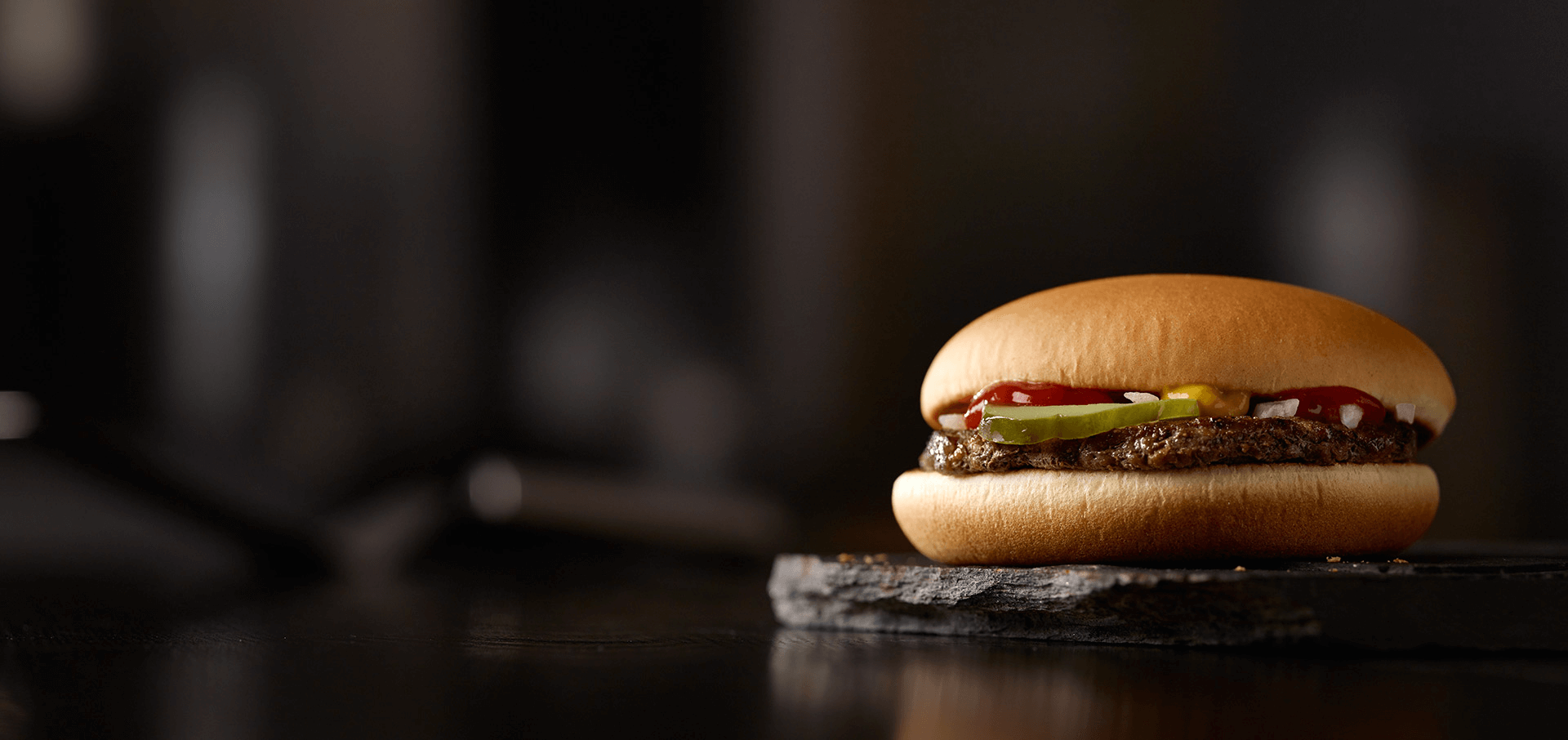
A juicy, 100% pure beef patty with absolutely no fillers, additives or preservatives, seasoned with a pinch of salt and pepper, and topped with a tangy pickle, chopped onions, ketchup and mustard.
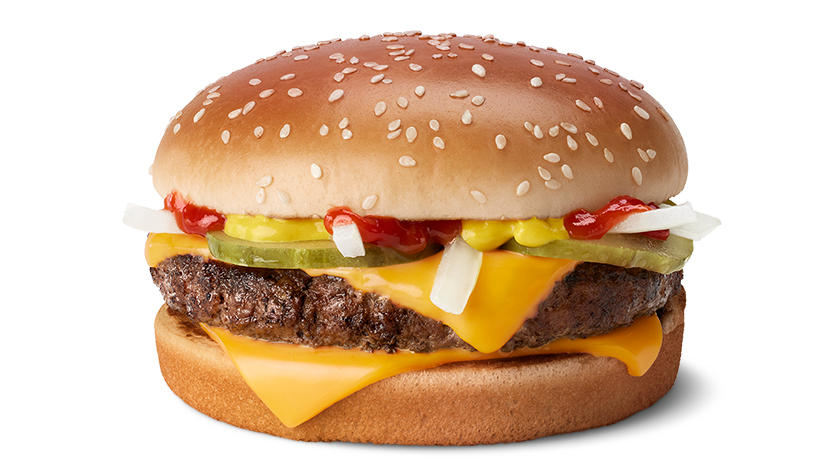
A ¼ pound 100% beef patty, slivered onions, ketchup, mustard on a toasted sesame seed bun.
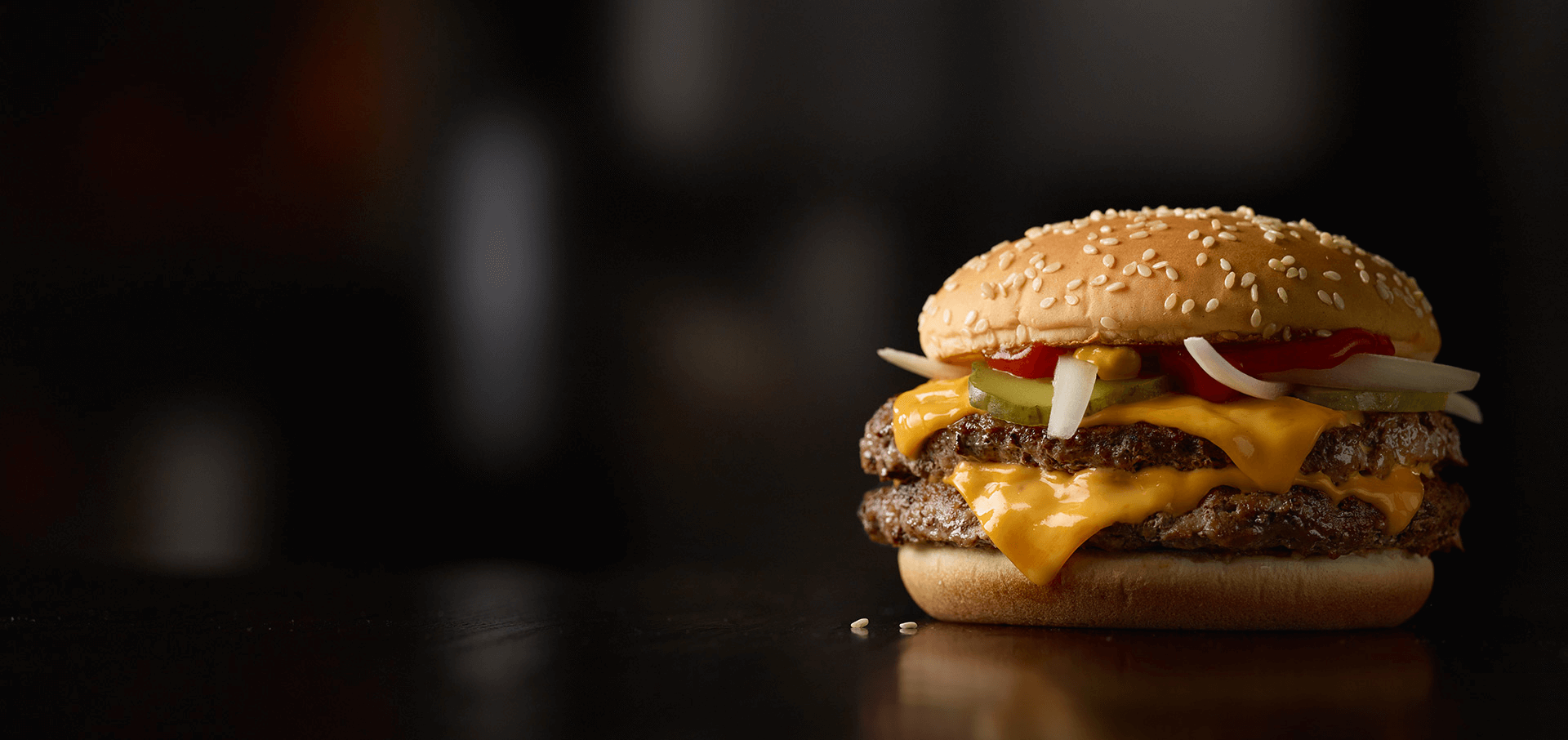
Two quarter pound* Ingredients: 100% Pure USDA Inspected Beef; No Fillers, No Extenders. Prepared with Grill Seasoning (Salt, Black Pepper). Layered with two slices of melty cheese, slivered onions and tangy pickles on sesame seed bun. *Weight before cooking at least 4 oz.
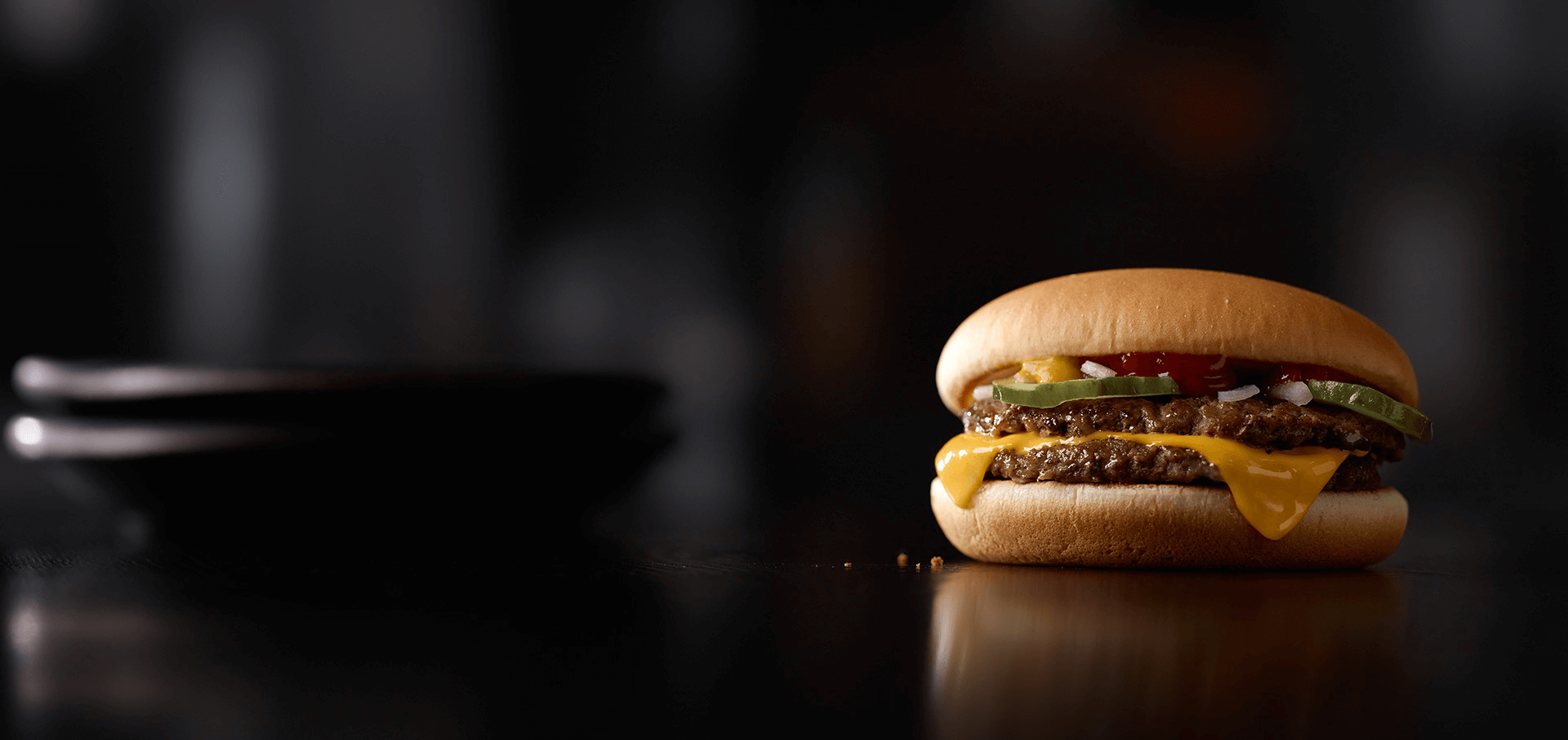
McDouble® burger features two 100% pure beef patties with absolutely no fillers, additives or preservatives, seasoned with a pinch of salt and pepper, and topped with tangy pickles, chopped onions, ketchup, mustard and a slice of melty American cheese.* <br><br> *Available at participating restaurants.
Irresistible flavors come to the table. Enjoy options like our chicken sandwiches and salads with chicken. Or try a Filet-O-Fish®, made with whitefish that is wild-caught and sourced from sustainable fisheries. Catch tastiness you can feel good about.
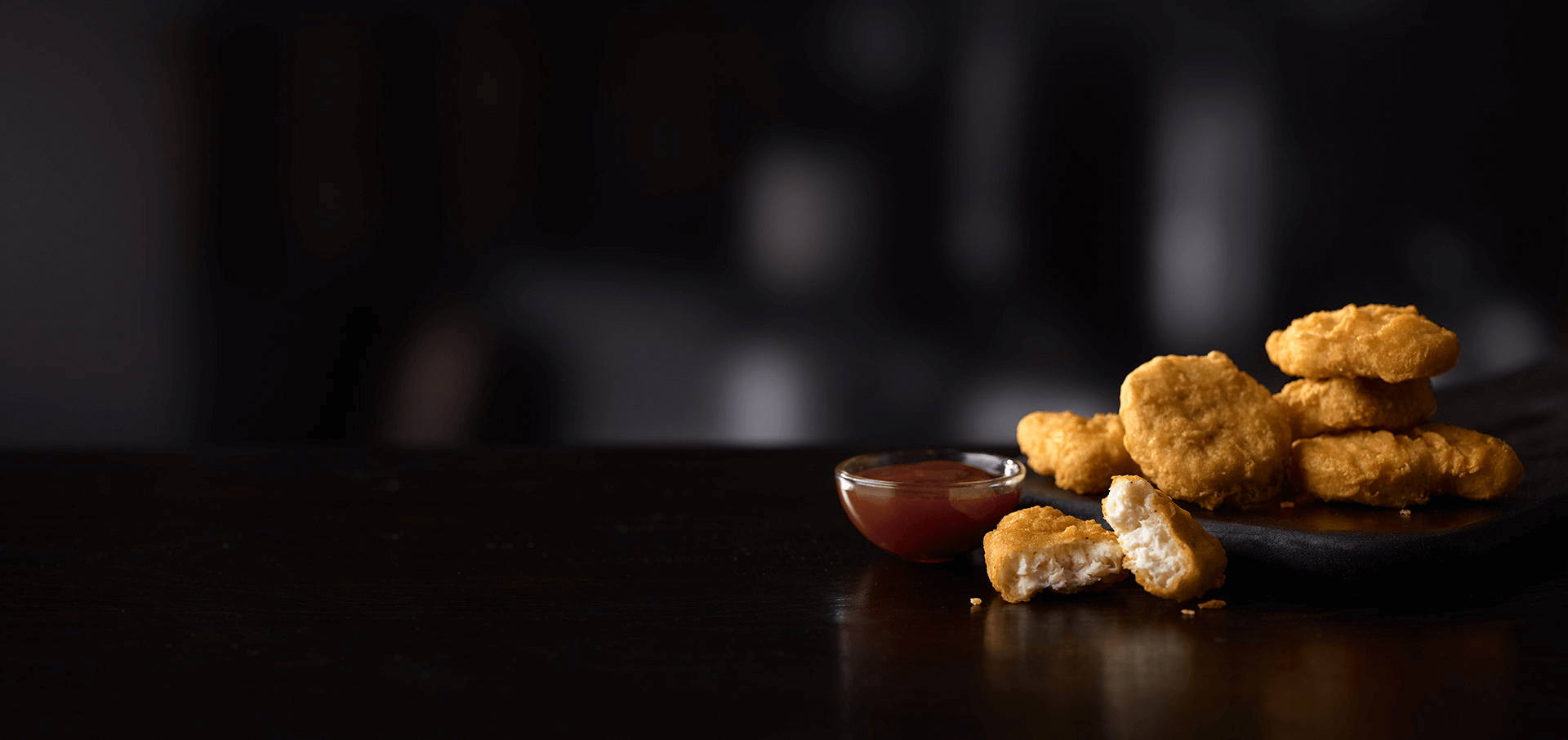
Our tender, juicy Chicken McNuggets are made with 100% white meat chicken and no artificial colors, flavors and now no artificial preservatives.
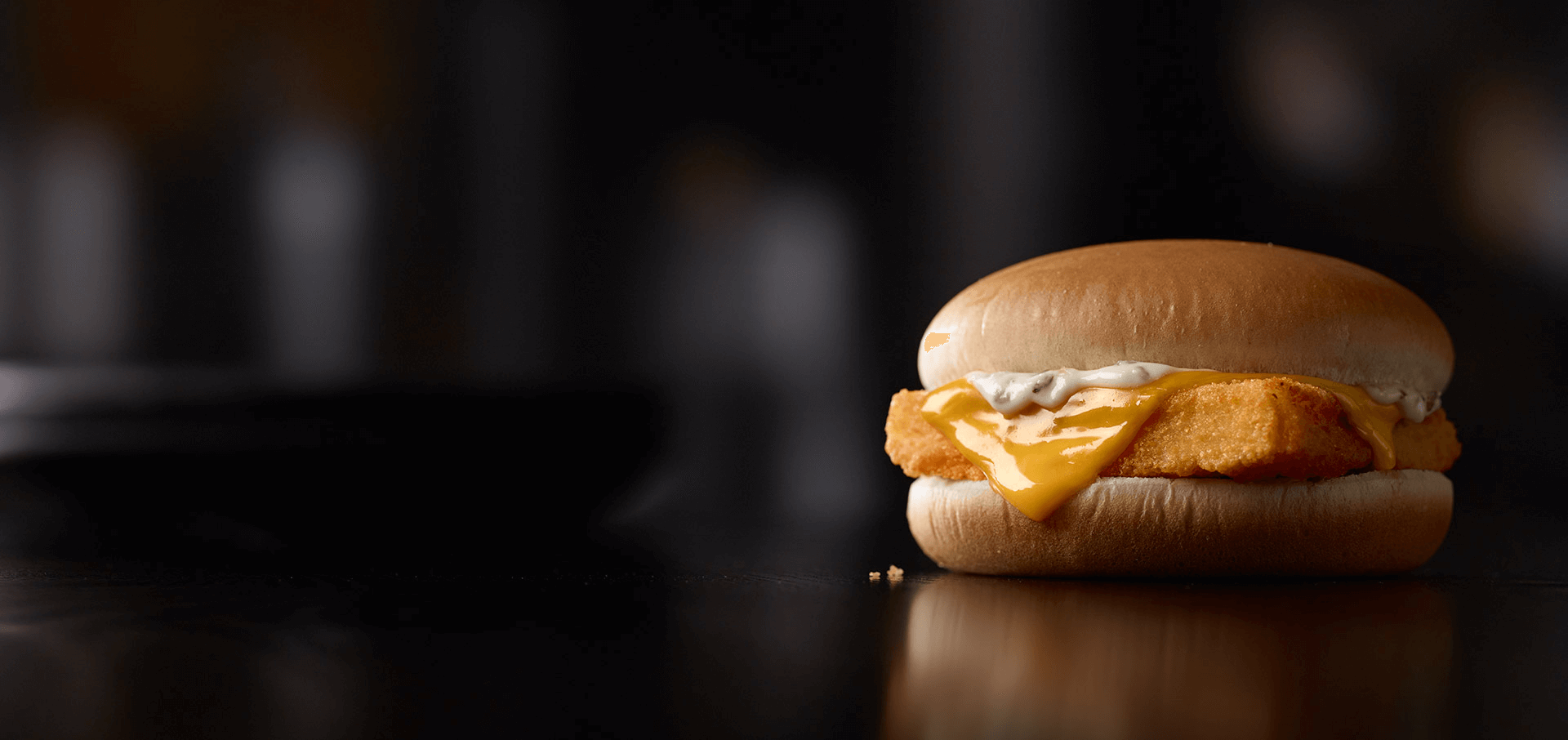
Dive into our wild-caught fish sandwich! Our fish filet is made with Alaskan Pollock sourced from sustainable fisheries, topped with melty American cheese and creamy tartar sauce, and served on a soft, steamed bun.
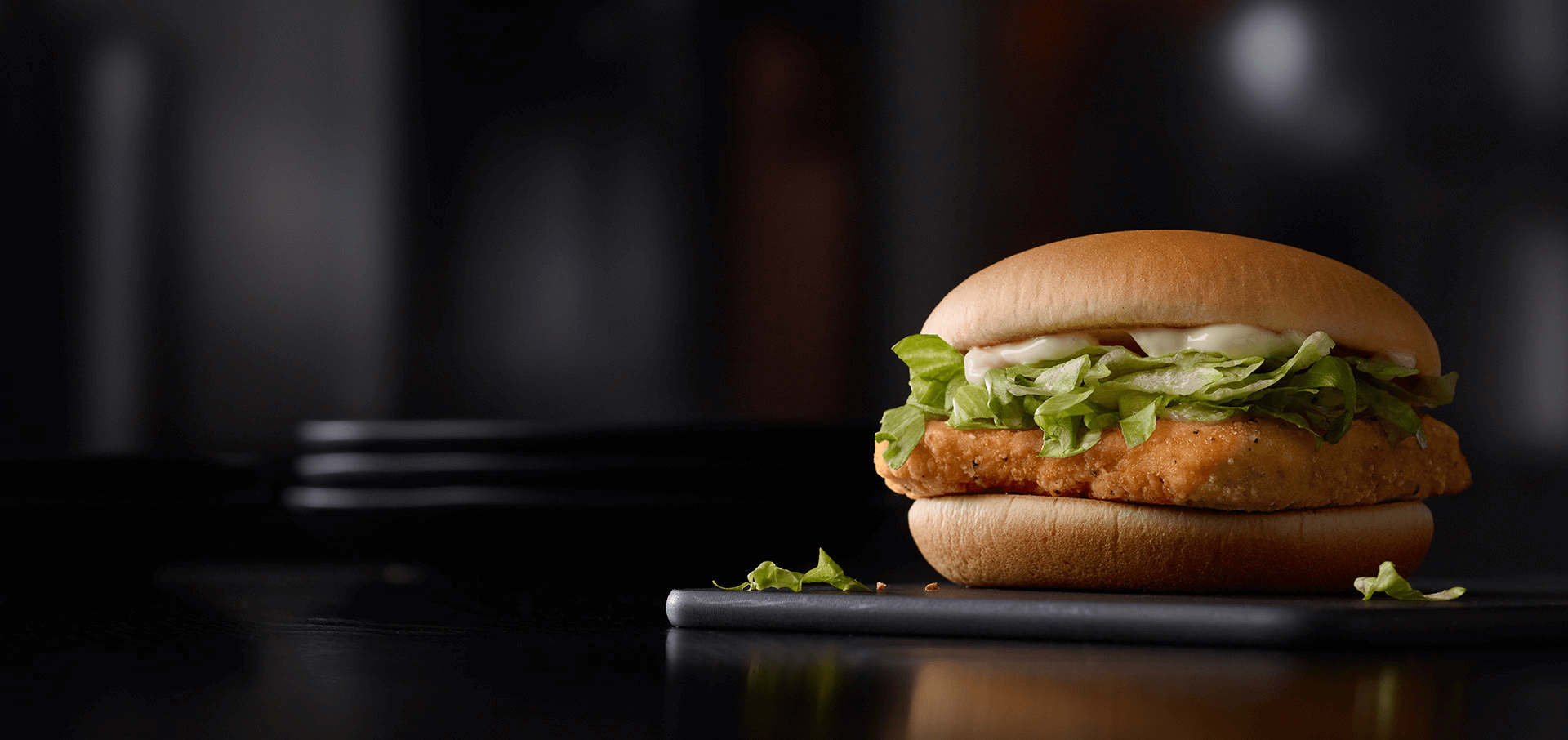
Deliciously crispy chicken topped with mayonnaise, shredded lettuce, and served on a perfectly toasty bun. *Available at participating restaurants
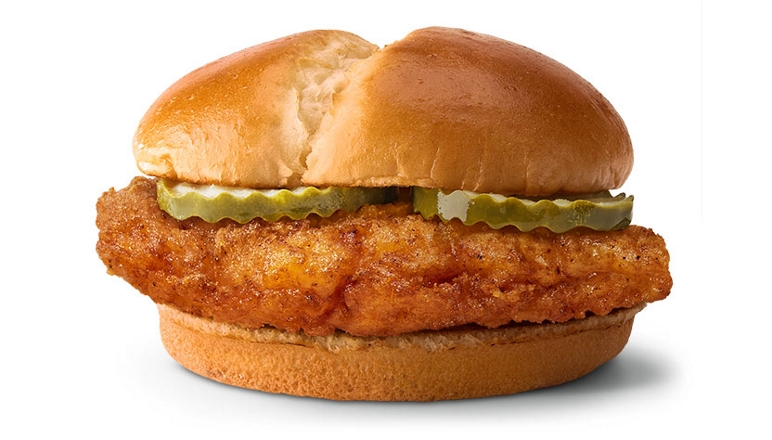
This southern style fried chicken sandwich is crispy, juicy and tender perfection. It’s topped with crinkle-cut pickles and served on a new toasted, buttered potato roll.
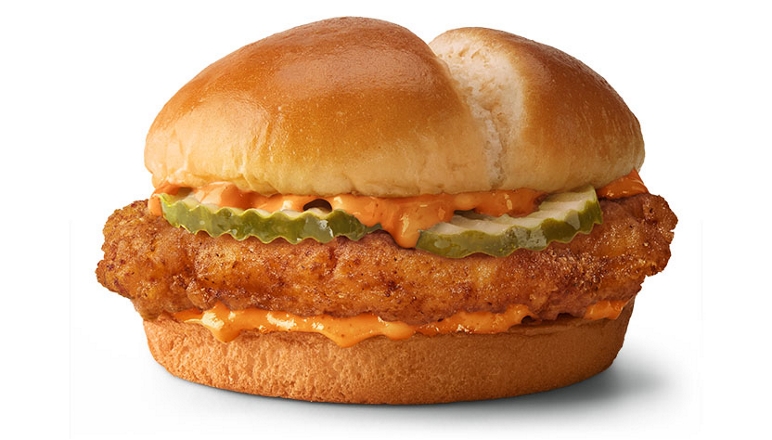
With our new spicy pepper sauce topping the new southern style fried chicken on a new toasted potato roll, this sandwich was made for those who like it crispy, juicy, tender and hot.
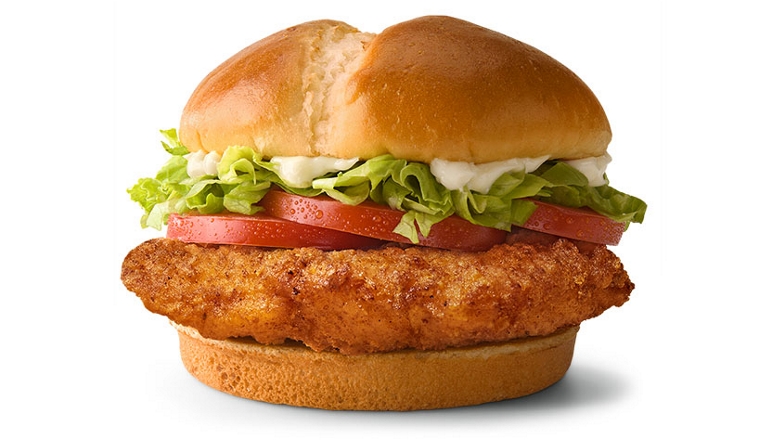
Get a little extra with toppings. Go deluxe with shredded lettuce, Roma tomatoes and mayo to take crispy, juicy and tender to the next level.
Meals include hash browns and small coffee or soft drink. Pick a different drink or side for an additional charge. Promotion pricing may be lower than meal pricing.
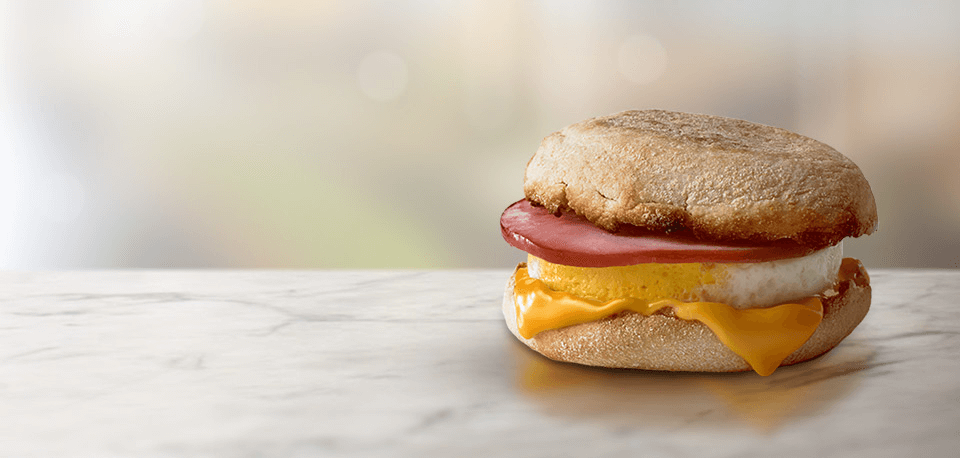
An excellent source of protein and oh so delicious. We place a freshly-cracked Grade A egg on a toasted English Muffin topped with real butter and add lean Canadian bacon and melty American cheese. And all that for 290 calories.
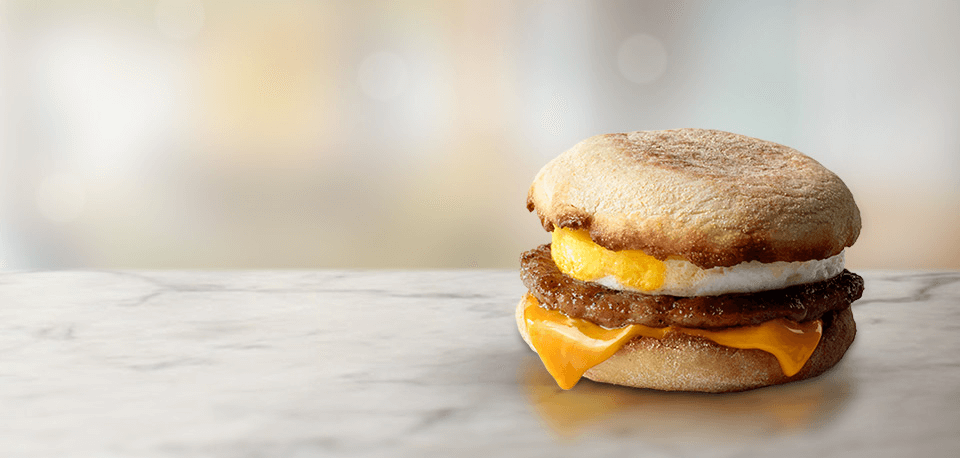
Sausage McMuffin® with Egg features a savory hot sausage, a slice of melty American cheese, and a delicious egg all on a freshly toasted English muffin. For a different taste, try it with freshly grilled egg whites and smooth white cheddar*. *pasteurized process
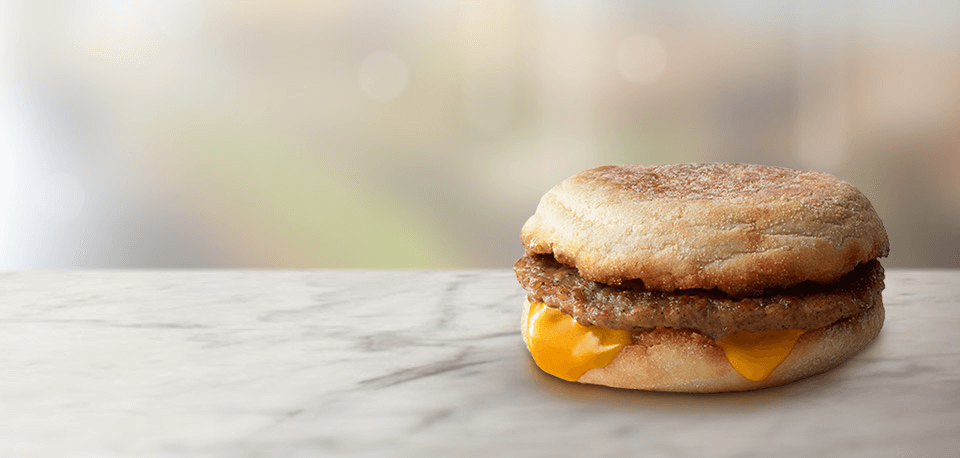
Sausage McMuffin® features a warm, freshly toasted English muffin, topped with savory hot sausage and a slice of melty American cheese.
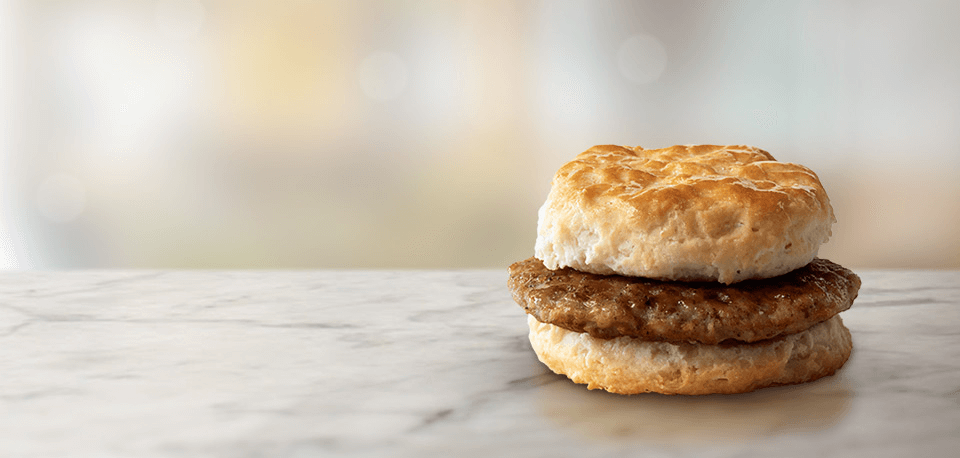
Sausage Biscuit with sizzling hot sausage on a warm buttermilk biscuit that’s topped with real butter and baked to perfection.
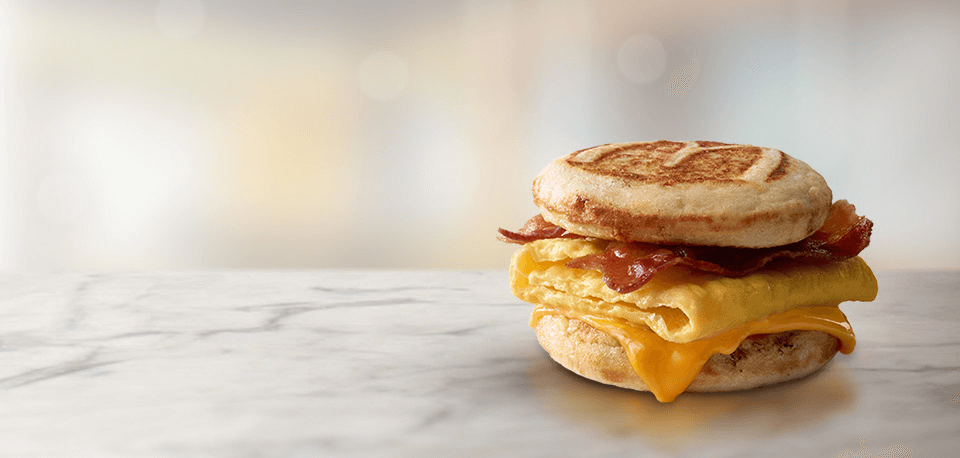
Bacon, Egg & Cheese McGriddles® feature soft, warm griddle cakes with the sweet taste of maple, holding our thick-cut Applewood smoked bacon, a fluffy folded egg, and a slice of melty American cheese. McGriddles cakes have no artificial preservatives or flavors and no colors from artificial sources. For a different taste, try it with freshly grilled egg whites and smooth white cheddar*.*Pasteurized process
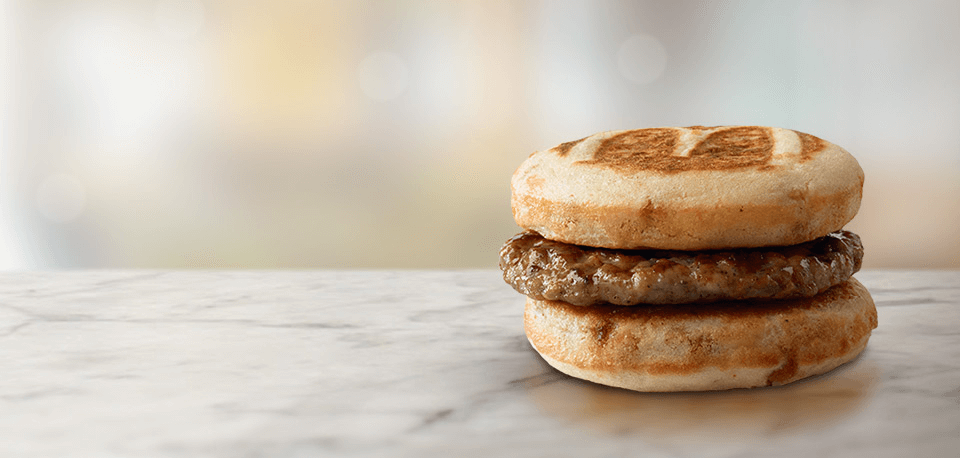
Sausage McGriddles® feature soft, warm griddle cakes—with the taste of sweet maple—that hold our savory, sizzling hot sausage. McGriddles® cakes have no artificial preservatives or flavors and no colors from artificial sources.
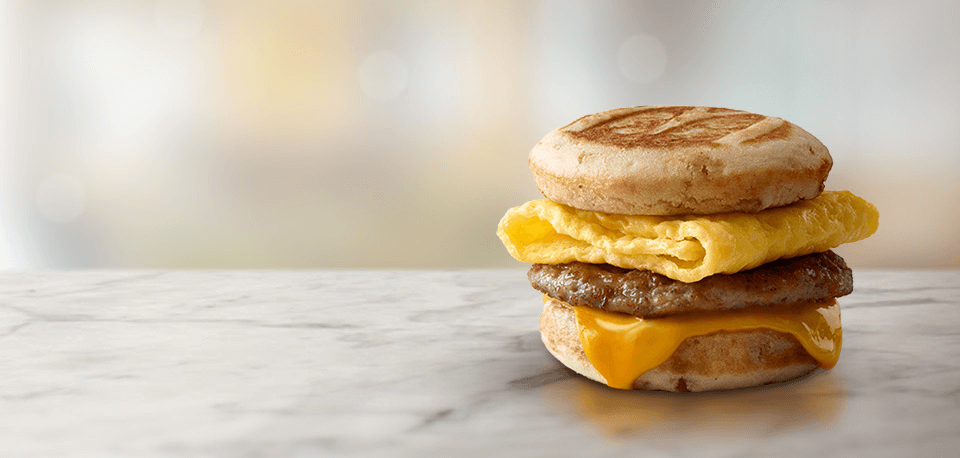
Sausage, Egg & Cheese McGriddles® feature soft, warm griddle cakes—with the sweet taste of maple—that hold a fluffy folded egg, savory sausage, and melty American cheese. McGriddles cakes have no artificial preservatives or flavors and no colors from artificial sources. For a different taste, try it with freshly grilled egg whites and smooth white cheddar*.*Pasteurized process
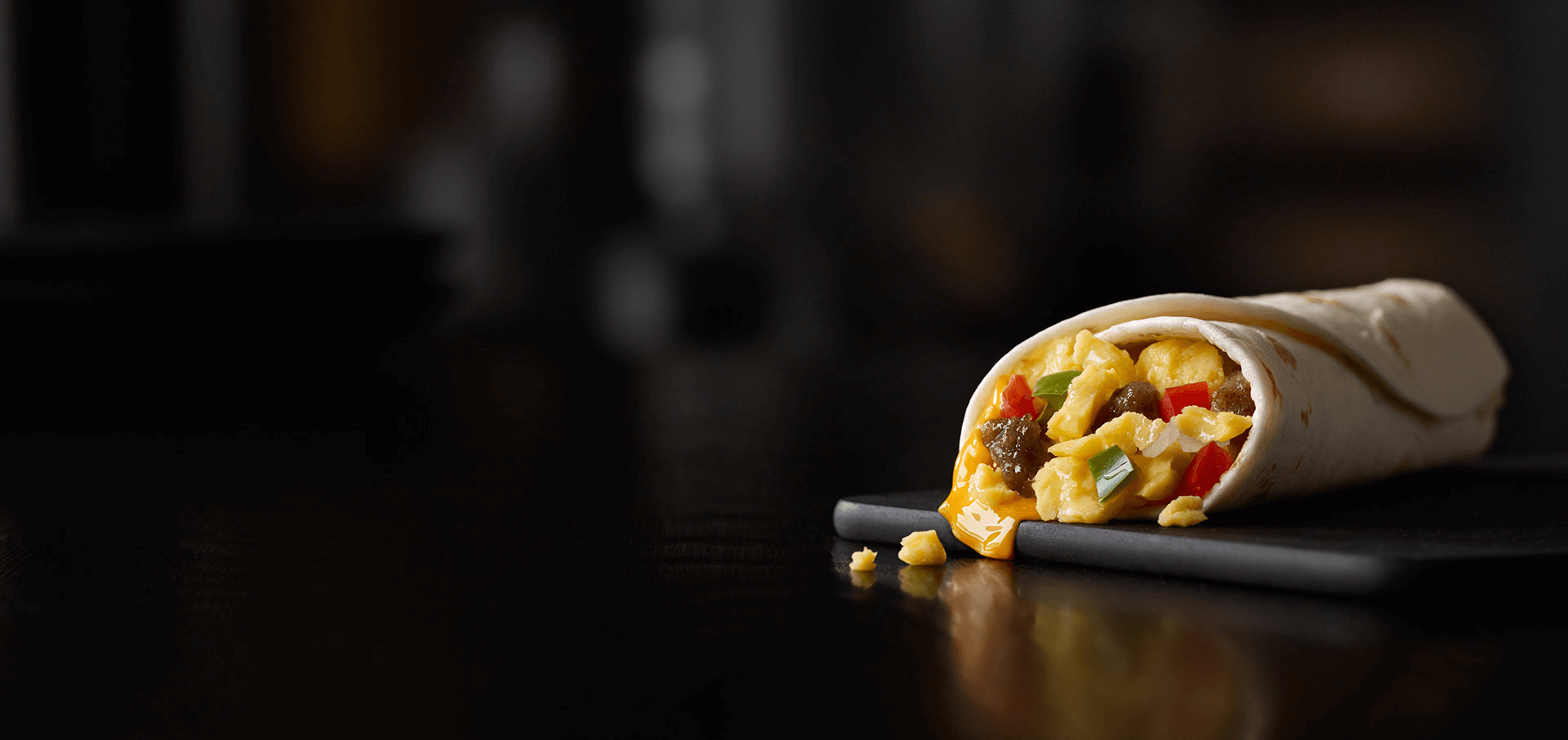
Start your morning with a Sausage Burrito—fluffy scrambled egg, sausage, melty cheese, green chiles, and onions, all wrapped in a soft tortilla.
Hotcakes and Sausage feature three golden brown, melt-in-your-mouth hotcakes with a side of real butter and the sweet flavor of maple. Plus, a side of our savory hot sausage.
Three golden brown, melt-in-your-mouth hotcakes with a side of real butter and the sweet flavor of maple.
Wake up with a warm biscuit, fluffy scrambled eggs, savory hot sausage, and crispy golden hash browns. For a different taste, try it with freshly grilled egg whites.
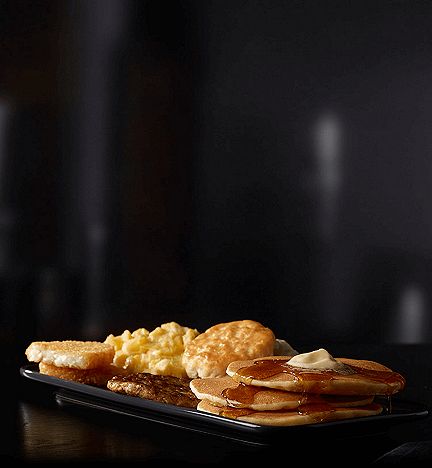
Fill up with a warm biscuit, savory hot sausage, fluffy scrambled eggs, crispy hash browns, and golden brown hotcakes with a side of real butter and the sweet flavor of maple. For a different taste, try it with freshly grilled egg whites.
Deliciously tasty hash browns. Fluffy on the inside, crispy and toasty on the outside.
Specially selected varieties mean our apple slices are always crisp and juicy.
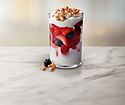
Creamy Fruit ‘N Yogurt Parfait with low-fat vanilla yogurt, layers of plump blueberries and sweet strawberries, and a crunchy granola topping. *Available at participating restaurants
Made with 100% freshly grilled egg whites, extra lean Canadian bacon, smooth white cheddar* and a warm, freshly toasted English muffin. The Egg White Delight is 250 calories and packed with protein. *pasteurized process
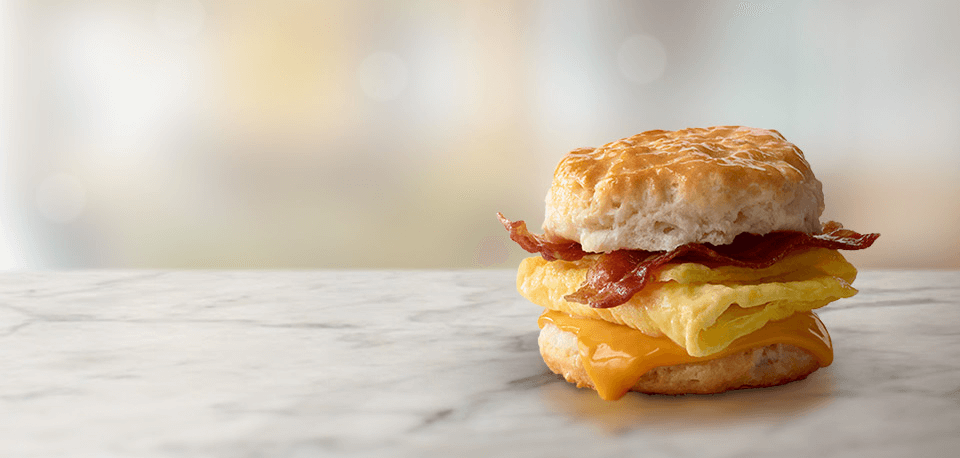
Bacon, Egg & Cheese Biscuit features a warm, buttermilk biscuit brushed with real butter, thick cut Applewood smoked bacon, a fluffy folded egg, and a slice of melty American cheese. Or, put a different spin on breakfast and try it with 100%, freshly grilled egg whites and smooth white cheddar*. *Pasteurized process
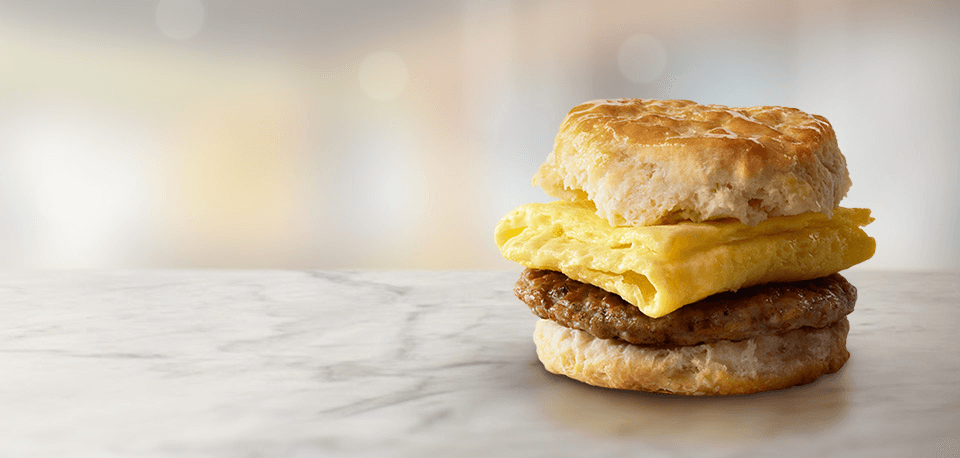
Sausage Biscuit with Egg features a warm biscuit brushed with real butter, sizzling hot sausage, and a fluffy folded egg.
Our oatmeal starts with two full servings of whole-grain oats and a touch of cream. Loaded with red and green apples, cranberries and two varieties of raisins. And you can have it just how you like it, with or without brown sugar.
Grab somethin’ for your SNACKS & SIDES. We know you aren’t always looking for a full meal, so no matter what you’re craving, we’ve got easy snacks and sides that’ll have you covered.
Deliciously tasty hash browns. Fluffy on the inside, crispy and toasty on the outside.
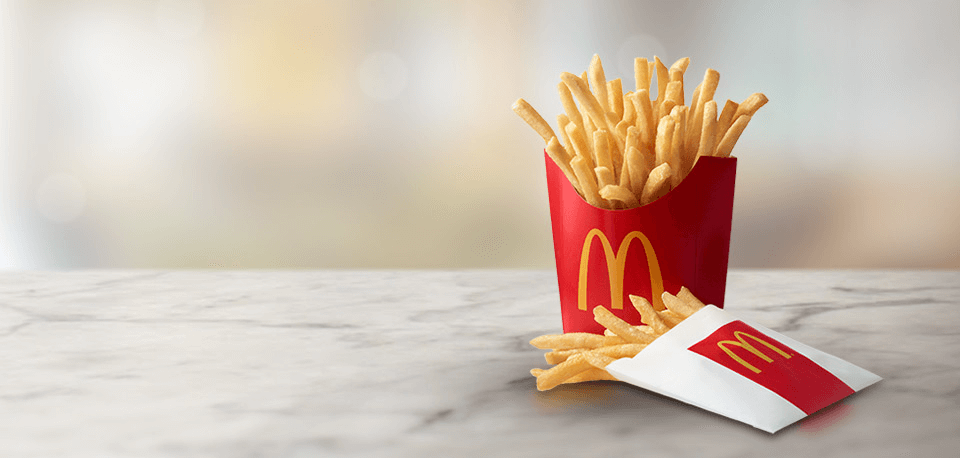
Our French fries are born from premium potatoes such as the Russet Burbank and the Shepody. With zero grams of trans fat per labeled serving, these epic fries are crispy and golden on the outside and fluffy on the inside.
Specially selected varieties mean our apple slices are always crisp and juicy.
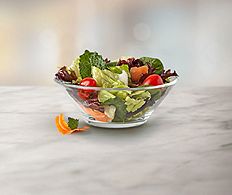
Freshly prepared with crisp chopped romaine, baby spinach, baby kale, red leaf lettuce, ribbon cut carrots, tasty grape tomatoes and served with your choice of Newman's Own dressing.
Our cool options don’t disappoint.
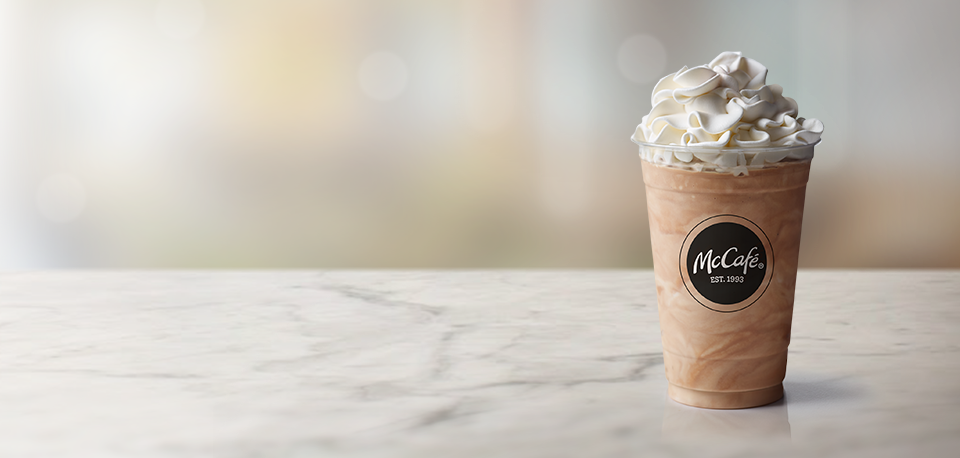
Chocolate Shake featuring our deliciously creamy vanilla soft serve and chocolate syrup, topped with whipped topping. Available in Small, Medium, and Large.
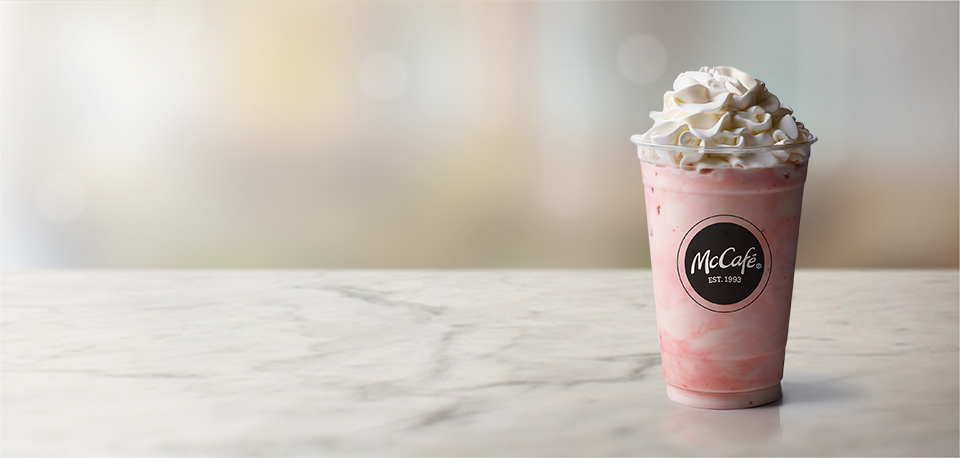
Strawberry Shake made with creamy vanilla soft serve, blended with strawberry flavored deliciousness, topped with whipped topping. Available in Small, Medium, and Large.
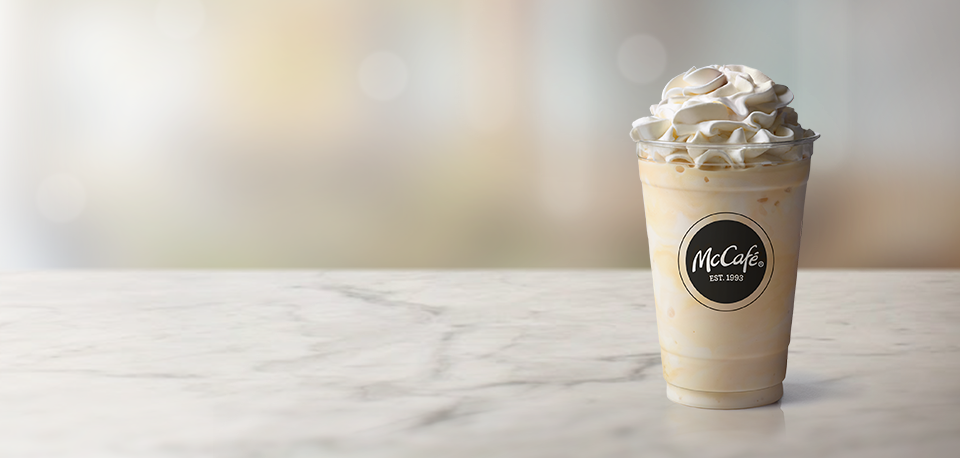
The classic vanilla shake, made with our creamy vanilla soft serve, topped with whipped topping. Available in Small, Medium, and Large.
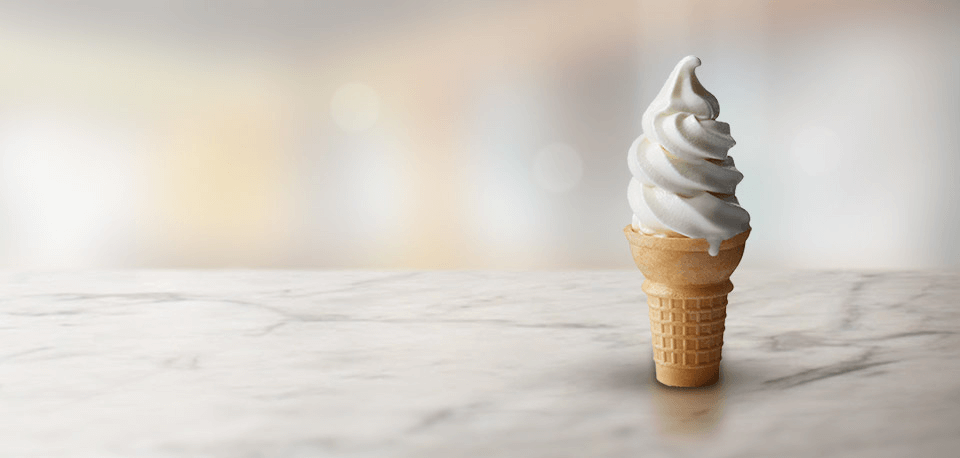
Enjoy a treat made with sweet, creamy vanilla soft serve in a crispy cone.* *Available at participating restaurants.
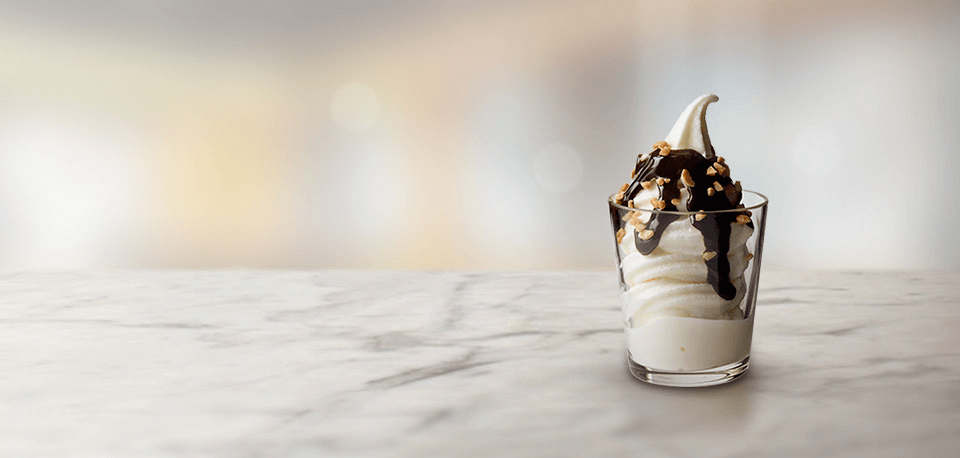
Vanilla soft serve, smothered in chocolaty fudge sauce. *Nuts optional
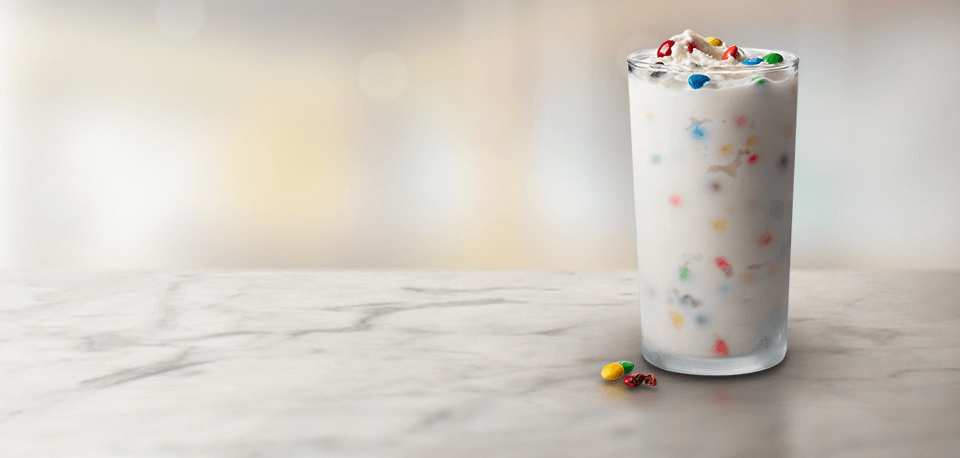
Dig in to a McFlurry® with M&M'S® made from vanilla soft serve with colorful chocolate candies swirled in. Enjoy these classic M&M’S® desserts in Regular Size and Snack Size.
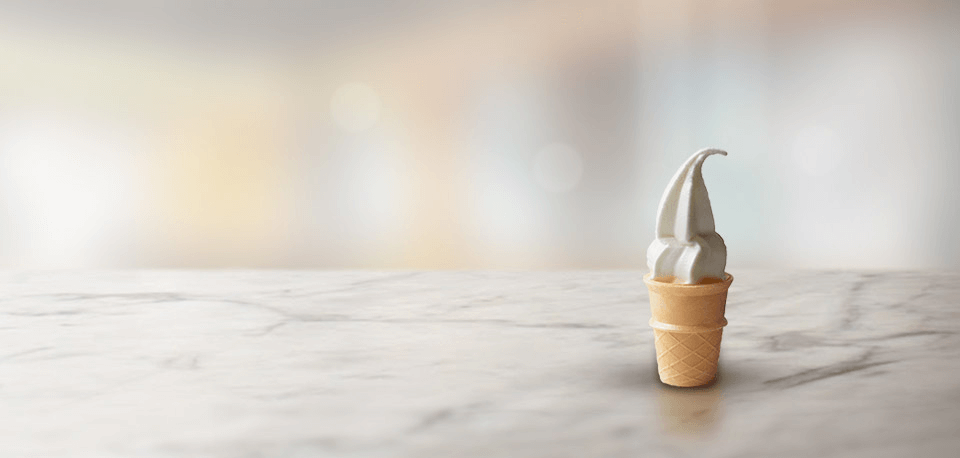
Creamy vanilla soft serve in a crispy little cone.
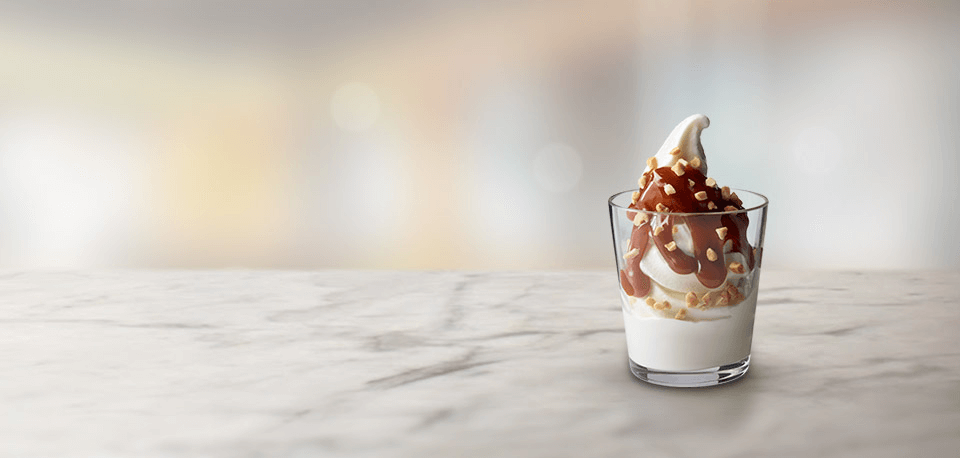
Cool and creamy vanilla soft serve meets warm, rich, buttery caramel. *Nuts optional
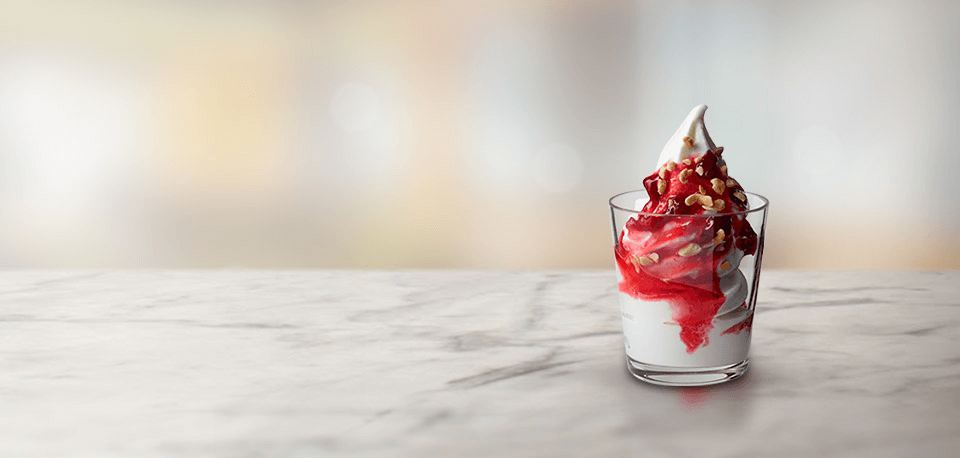
Creamy vanilla soft serve topped with sliced strawberries in a sweet and tart strawberry sauce. *Nuts optional
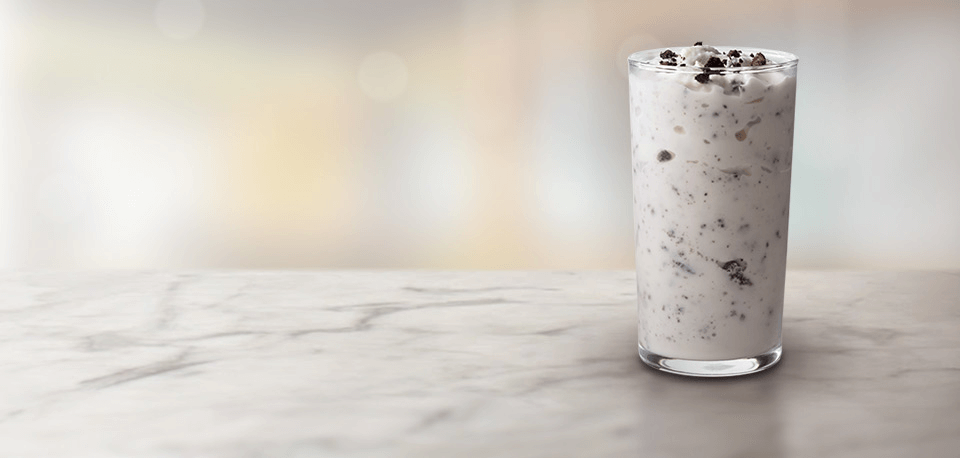
Vanilla soft serve with OREO® Cookies mixed in. Available in Regular Size and Snack Size.
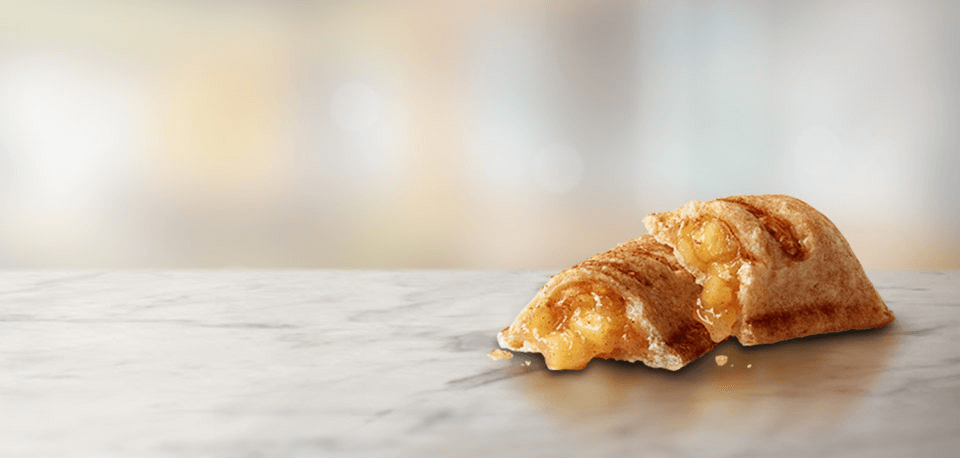
Delicious apples, lightly spiced with cinnamon, baked in a flaky pastry.
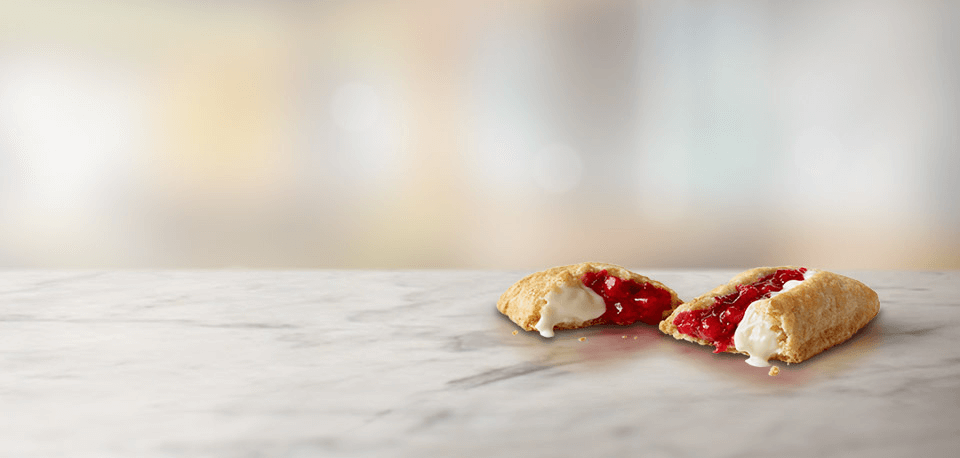
Made with strawberries and vanilla flavored crème, baked side by side in a sugar-coated crust.
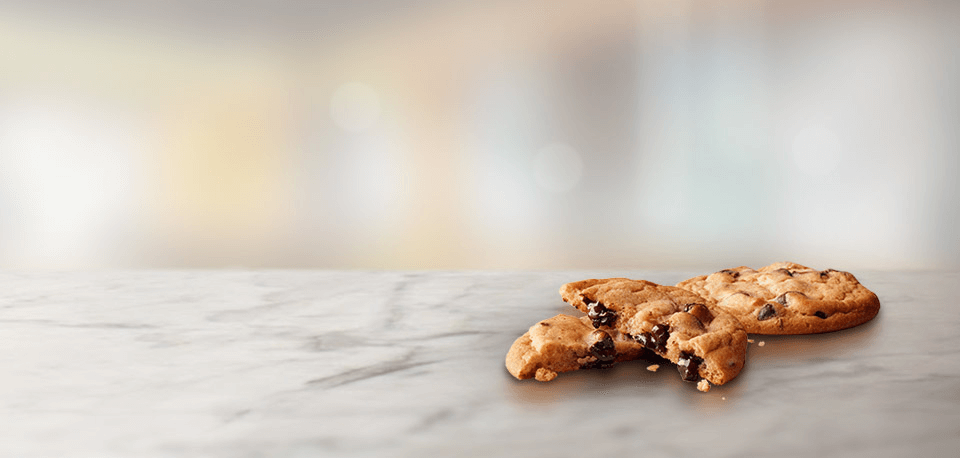
Our classic cookie, loaded with chocolate chips and baked to soft, warm perfection. *Available at participating restaurants.
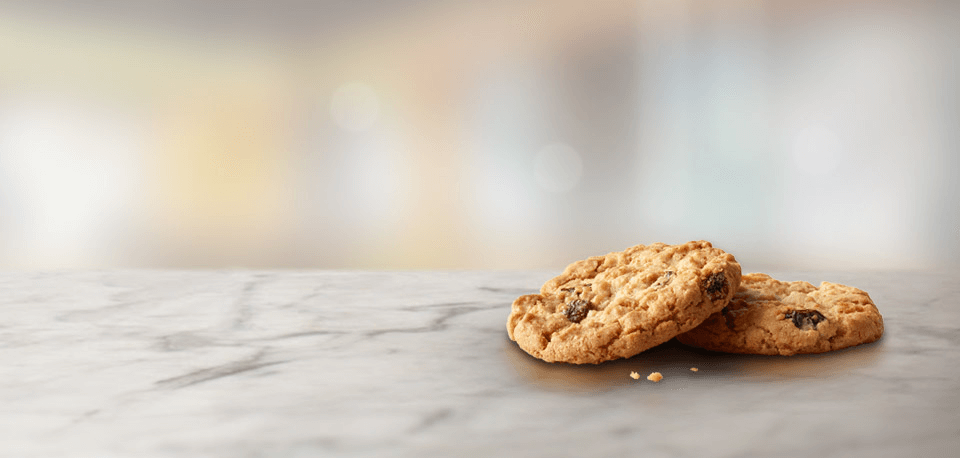
Made with crunchy oats and packed with raisins for sweetness. *Available at participating restaurants.
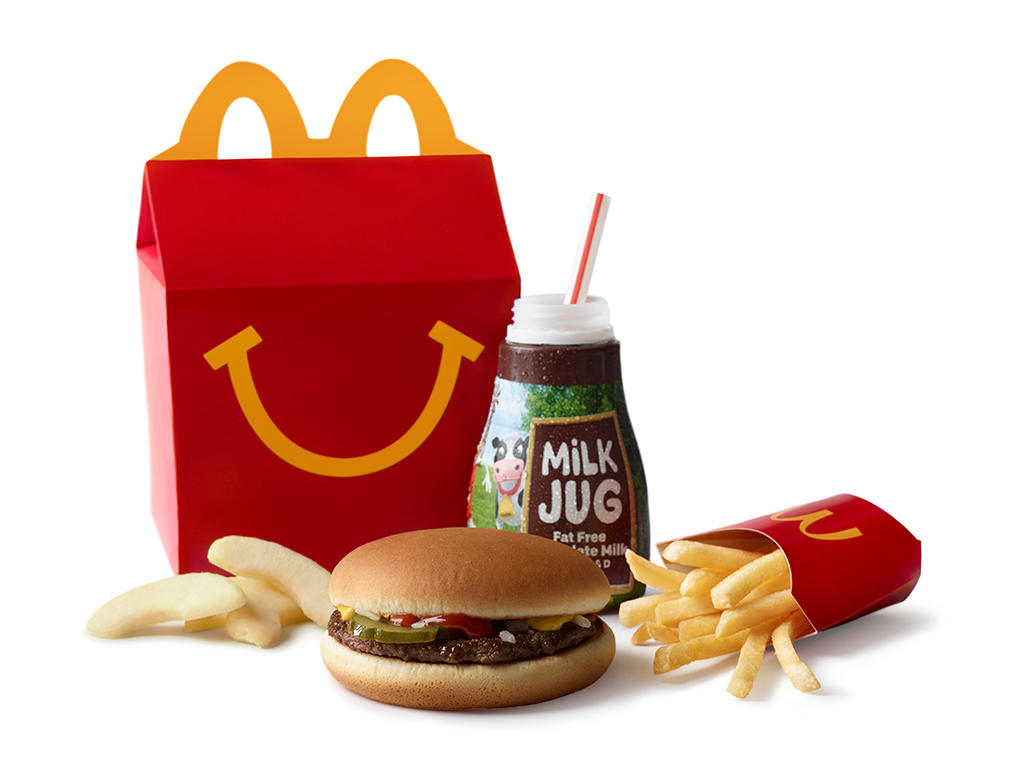
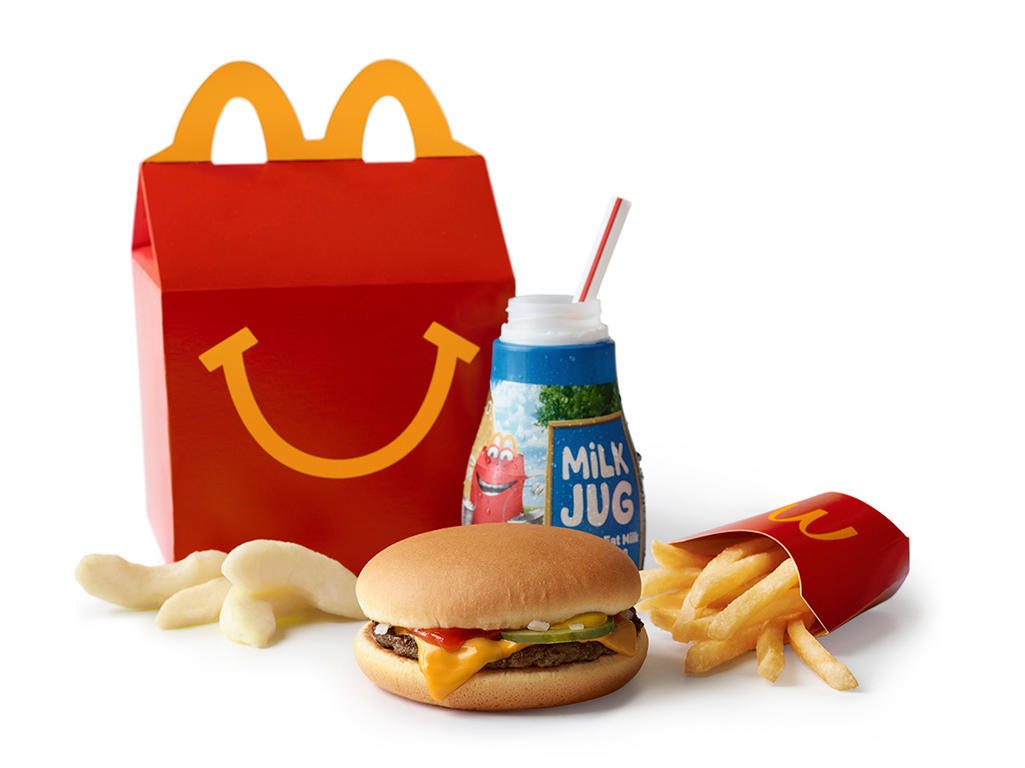
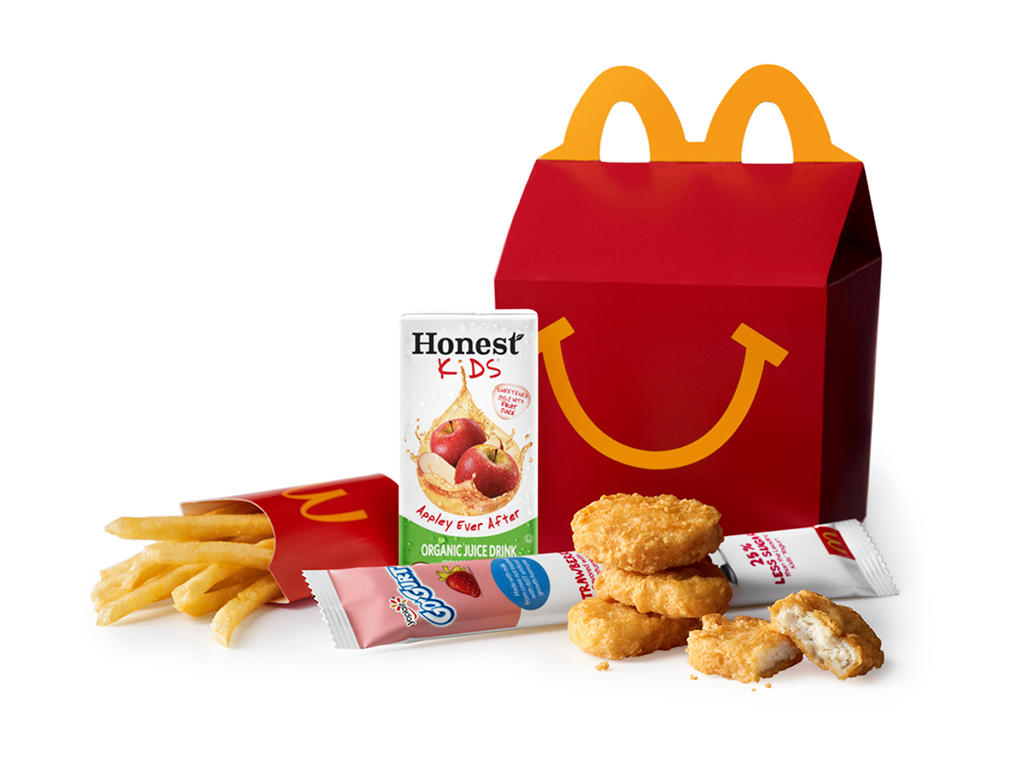
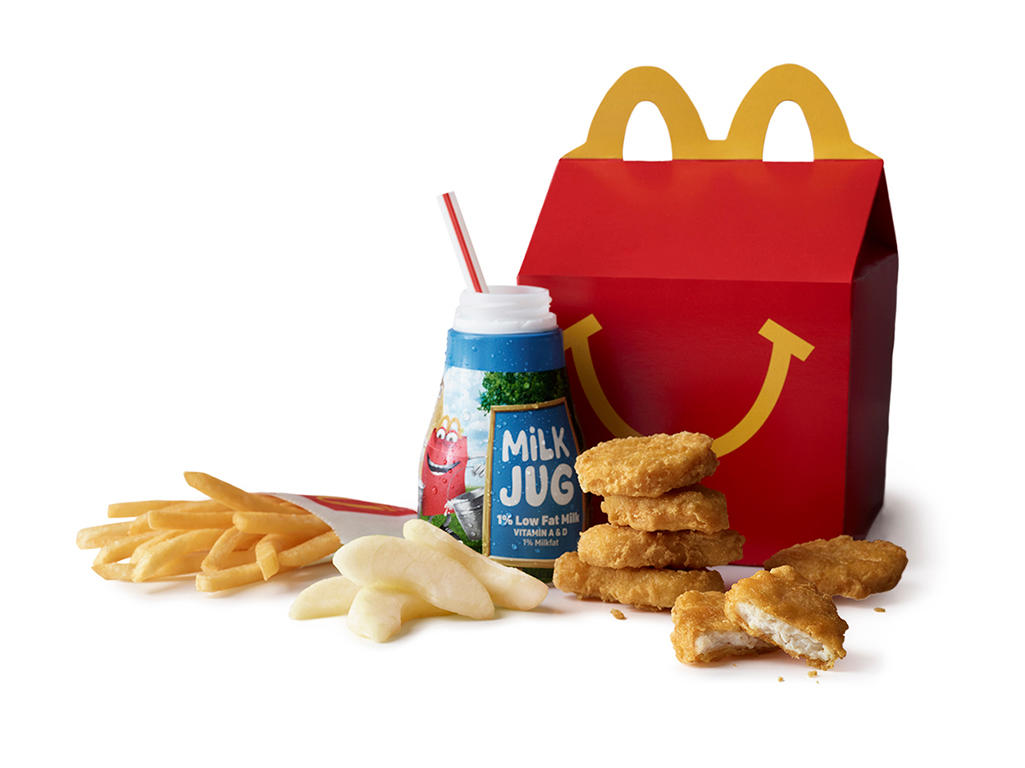
You want the best for your family. So do we. Our kid-friendly restaurants have great Happy Meal® options like a Hamburger made with a 100% beef patty that has no fillers, additives or preservatives. Or enjoy our tender and juicy Chicken McNuggets® that can also be found under Mighty Kids Meal® . Choose a side and your favorite drink: fat-free chocolate Milk Jug, 1% low-fat white Milk Jug or apple juice.
Made with the perfect combination of fruit purees and juices, such as strawberry and banna, blended with creamy low fat yogurt and ice. Available in Small, Medium, and Large. Ala carte only. Price and participation may vary.
Made with the sweet combination of fruit purees and juices, such as mango and pineapple, blended with creamy low fat yogurt and ice. Available in Small, Medium, and Large.
Made with rich chocolate flavor and a hint of coffee, our Frappé Mocha is blended with ice and covered with whipped topping and chocolately drizzle. Available in Small, Medium, and Large.
Made with rich caramel flavor and a hint of coffee, blended with ice, and topped with whipped cream and caramel drizzle. Available in Small, Medium, and Large.
Made from 100% Rainforest Alliance Certified espresso, steamed with whole or nonfat milk, chocolate and caramel syrup, topped with whipped cream and a caramel drizzle.
The Caramel Mocha is made with expertly roasted espresso beans that are sustainably sourced from Rainforest Alliance Certified™ farms, steamed whole or nonfat milk, chocolate caramel syrup, and topped with whipped topping and caramel drizzle.
Made from 100% Rainforest Alliance Certified espresso, whole or nonfat milk, chocolate and caramel syrup, topped with whipped cream and a caramel drizzle.
Iced Caramel Mocha, sustainably sourced and made with espresso beans from Rainforest Alliance Certified™ farms, our refreshingly cool iced mocha is made with whole or nonfat milk, chocolate and caramel syrup, and topped with whipped topping and caramel drizzle. Available in Small, Medium, and Large. *Nonfat milk available at participating restaurants
Warm up with a rich Latte, made from Rainforest Alliance Certified espresso. Customize the Latte that’s made fresh just for you with steamed whole or nonfat milk, mixed with your choice of flavor at certain locations. Available in Small, Medium, and Large.
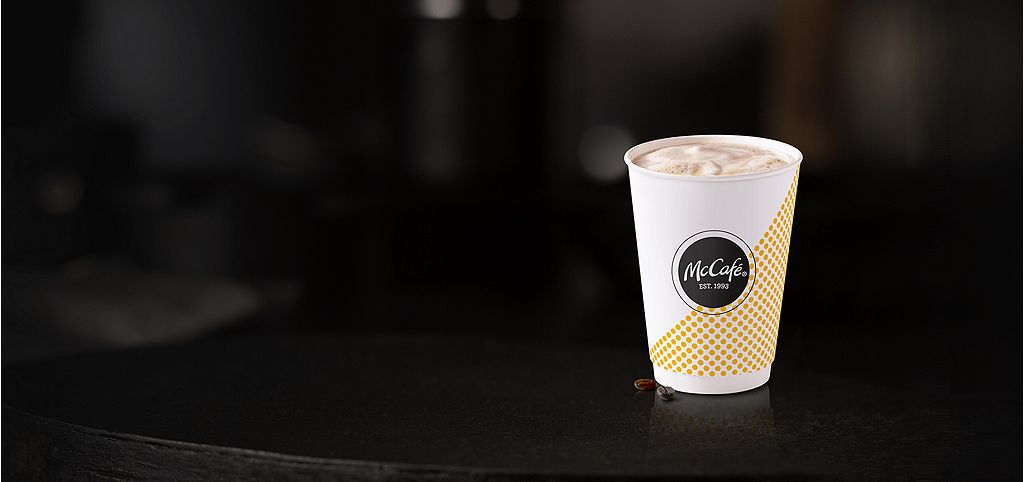
Warm up with a rich Latte, made from Rainforest Alliance Certified espresso. Customize the Latte that’s made fresh just for you with steamed whole or nonfat milk, mixed with your choice of flavor at certain locations. Available in Small, Medium, and Large.
Warm up with a rich Latte, made from Rainforest Alliance Certified espresso. Customize the Latte that’s made fresh just for you with steamed whole or nonfat milk, mixed with your choice of flavor at certain locations. Available in Small, Medium, and Large.
Cool down with a cold McCafé® Iced Latte, made from Rainforest Alliance Certified™ espresso. Customize the Iced Latte that’s made fresh just for you with cold whole or nonfat milk, mixed with your choice of flavor at certain locations. Available in Small, Medium, and Large.
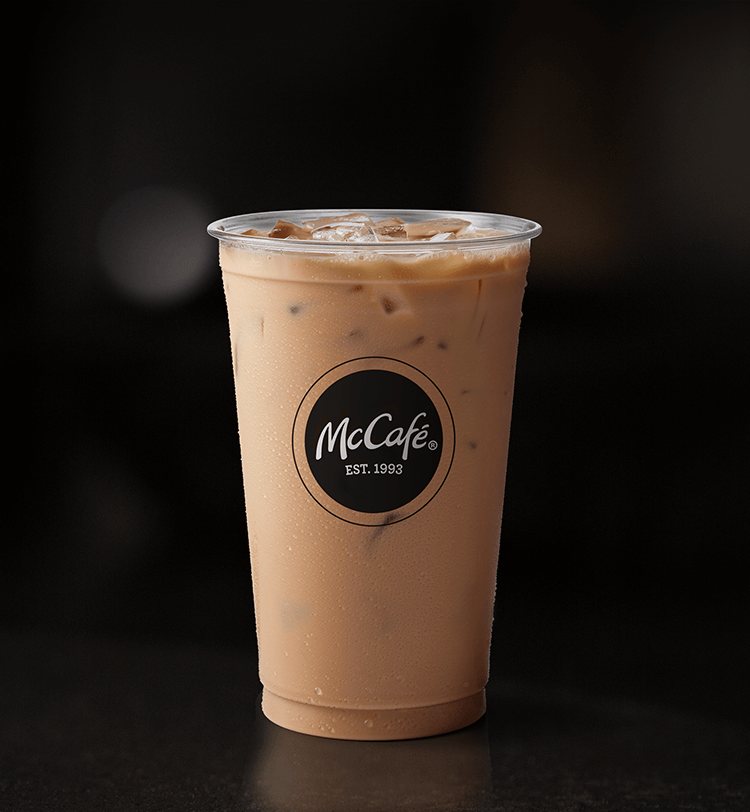
Refreshingly cool and made with sustainably sourced 100% Arabica beans, cream, and your choice of flavored syrups. Available in Small, Medium, and Large.
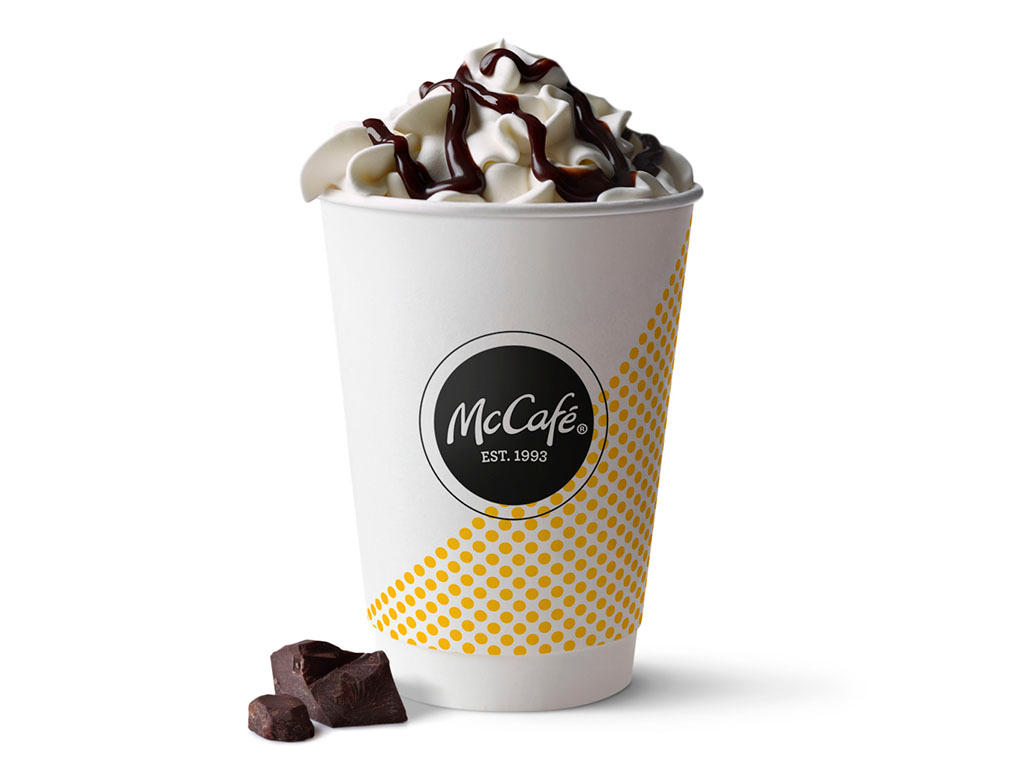
Taste the delicious chocolaty flavor of a McCafé® hot chocolate. Hot chocolate made with steamed whole or nonfat milk, rich chocolate syrup, and topped with whipped topping and chocolate drizzle.
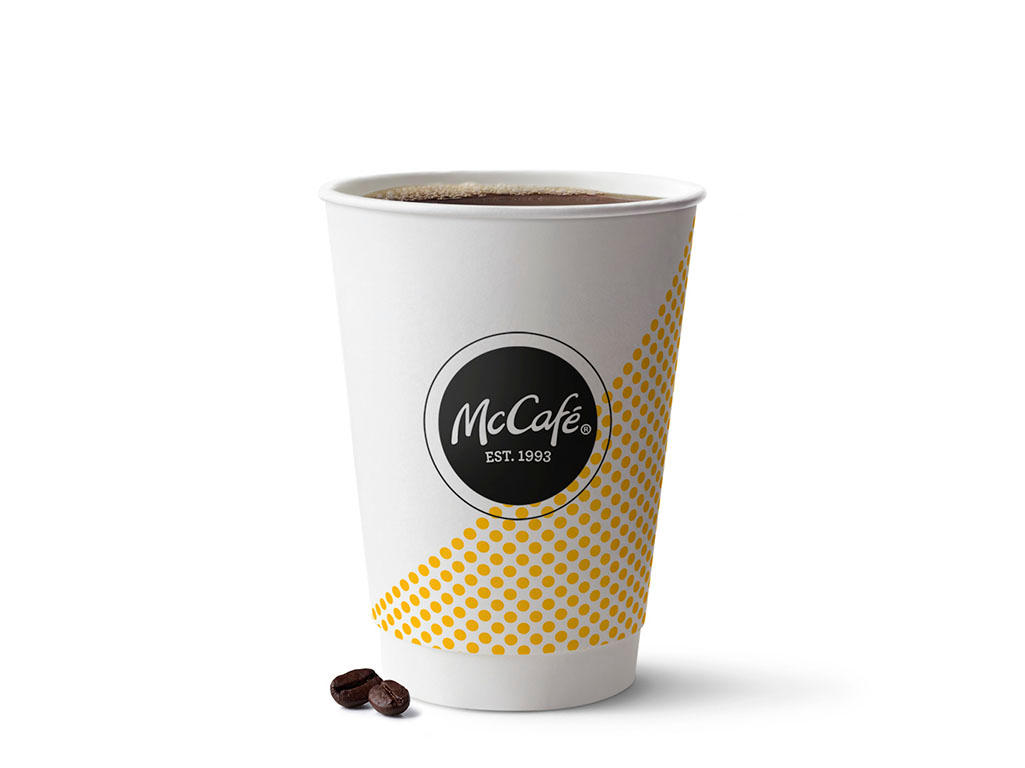
Treat yourself to a cup of our simple, satisfying morning coffee. Made with 100% Arabica beans, McCafé® Coffee is expertly roasted and freshly brewed every 30 minutes. Enjoy your hot coffee black or with your choice of sugar, sweetener, and dairy or creamer. Available in Small, Medium, and Large
Refreshingly cool and made with sustainably sourced 100% Arabica beans, cream, and your choice of flavored syrups. Available in Small, Medium, and Large.
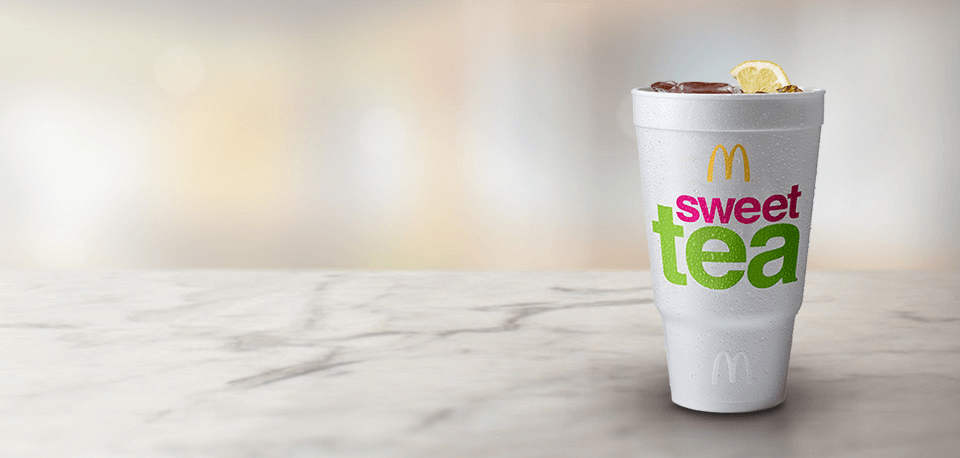
Ice Tea with a brisk blend of orange pekoe and pekoe cut black tea, served ice cold. Available in Extra Small, Small, Medium, and Large.
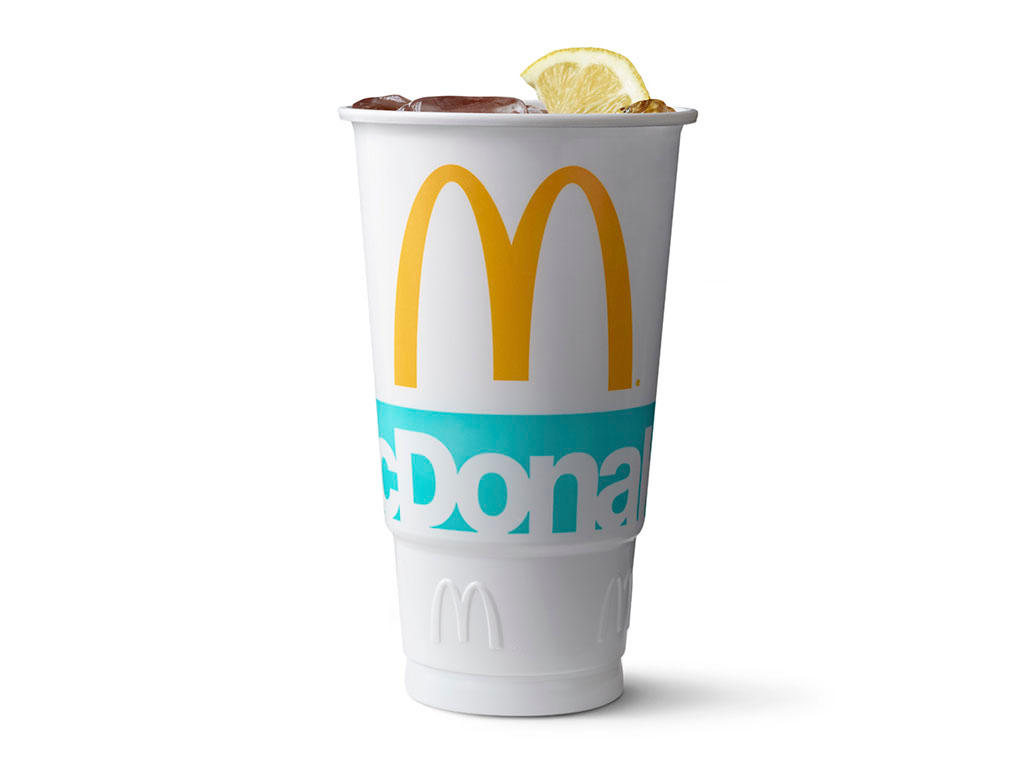
Sweet Tea with a briskly refreshing blend of orange pekoe and pekoe cut black tea, sweetened to perfection. Available in Extra Small, Small, Medium, and Large.
Refreshingly cool and made with our dark roast beans and smooth French vanilla flavor. Personalized with your choice of sweetener and creamer for a taste that’s unmistakably yours.
Hit refresh when you sip our DRINKS. Satisfy your thirst with a variety of drinks. From refreshing options like $1 any size soft drinks*, to $2 small McCafé Smoothies, Frappés, or Shakes**. Grab a straw and go.
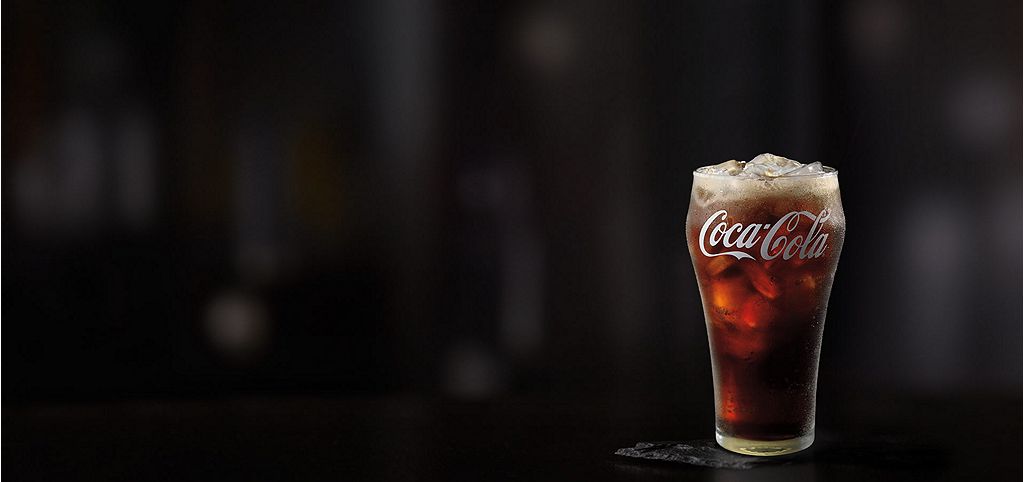
A cold and refreshing complement to all of our menu items. Available in Extra Small, Small, Medium, and Large.
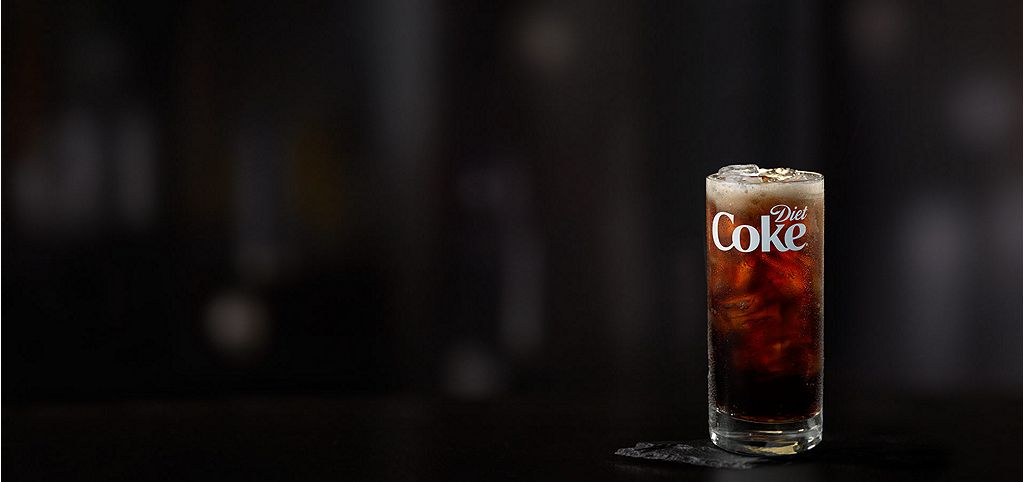
Icy cold Diet Coke®, with zero calories. Available in Extra Small, Small, Medium, and Large.
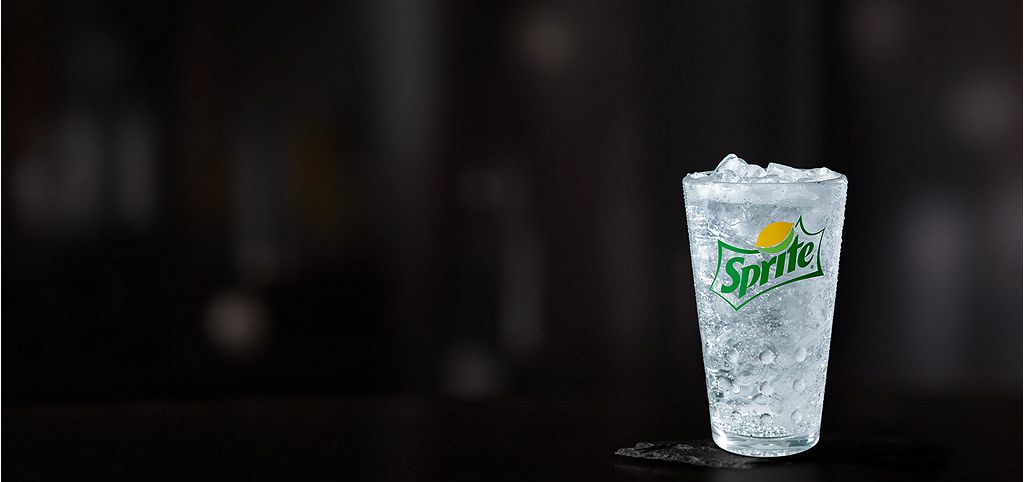
Delicious lemon-lime taste with no caffeine. Available in Extra Small, Small, Medium, and Large.
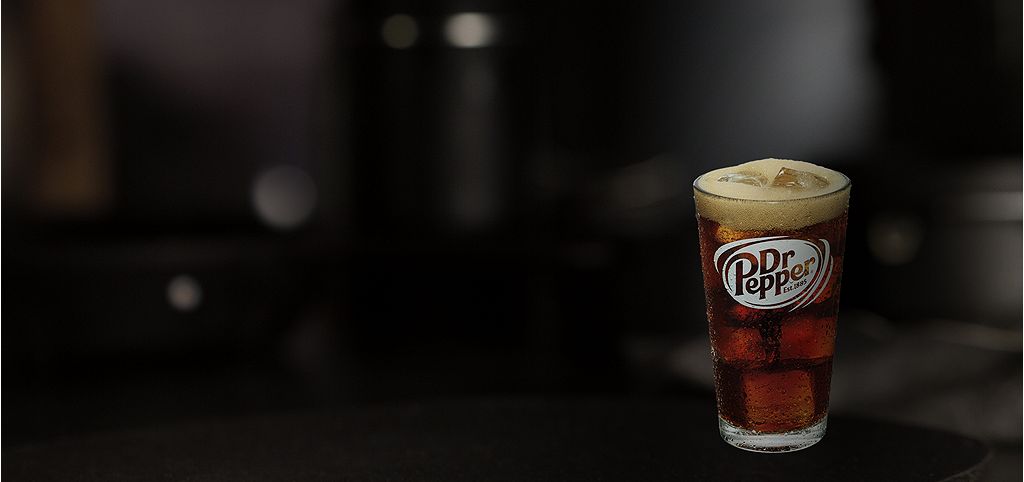
Every sip is truly unique. Available in Extra Small, Small, Medium, and Large.
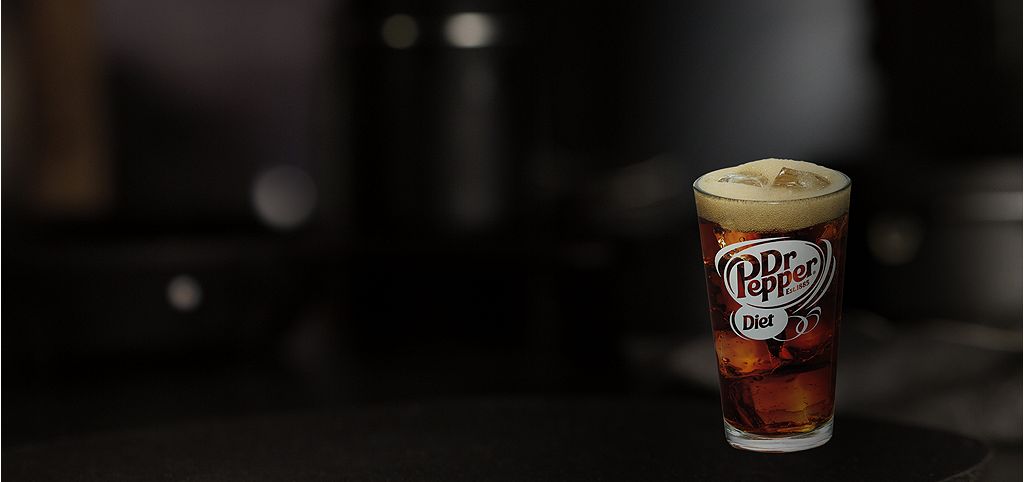
Enjoy the unbelievably satisfying taste with no calories. Available in Extra Small, Small, Medium, and Large.
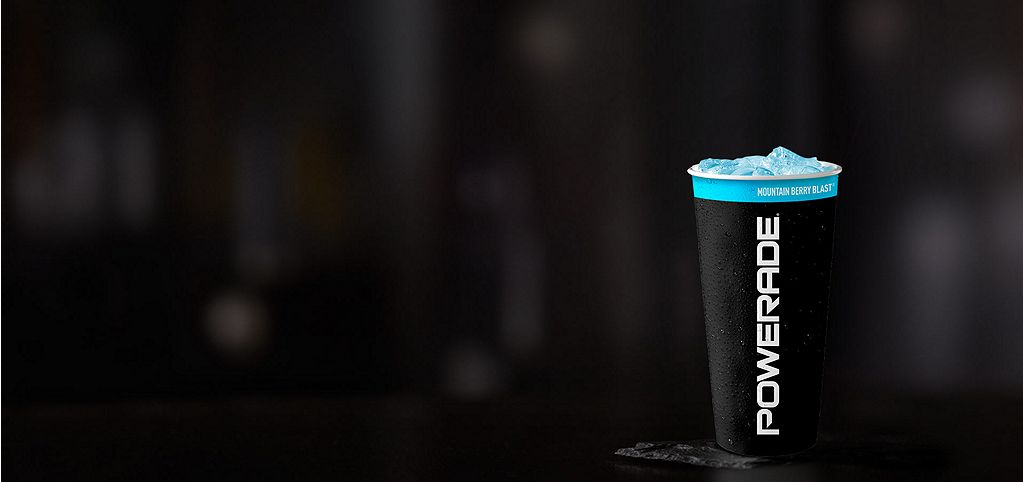
POWERADE® Mountain Berry Blast® is a blast of refreshment. Available in Extra Small, Small, Medium, and Large. *Available at participating restaurants
Purified with minerals for sheer refreshment.
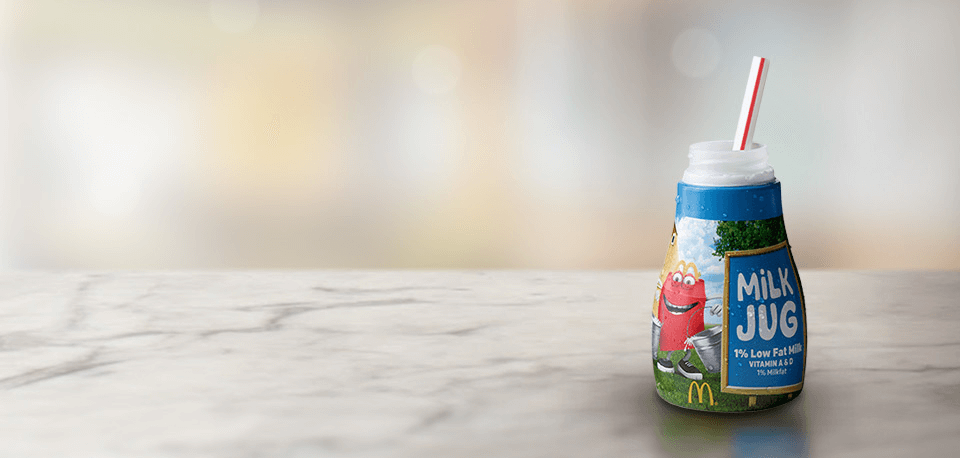
Wholesome low fat milk, an excellent source of Calcium and Vitamin D.
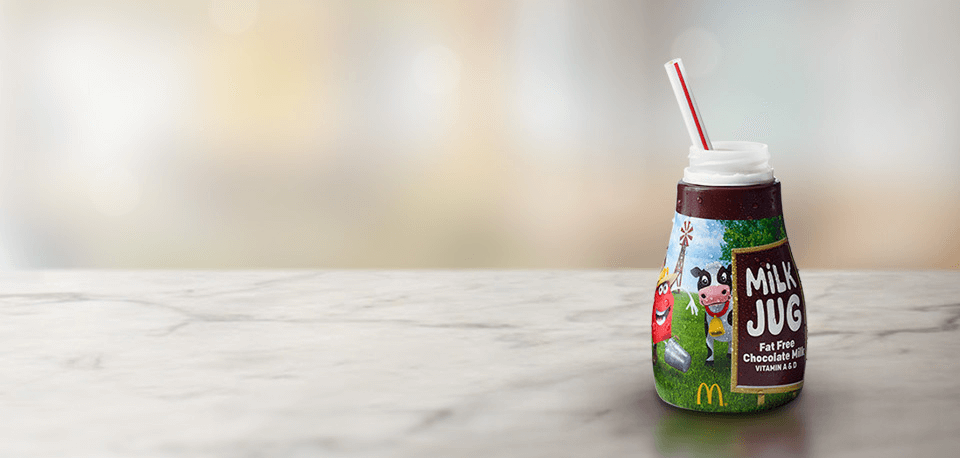
Fat free chocolate milk, an excellent source of Calcium and Vitamin D.
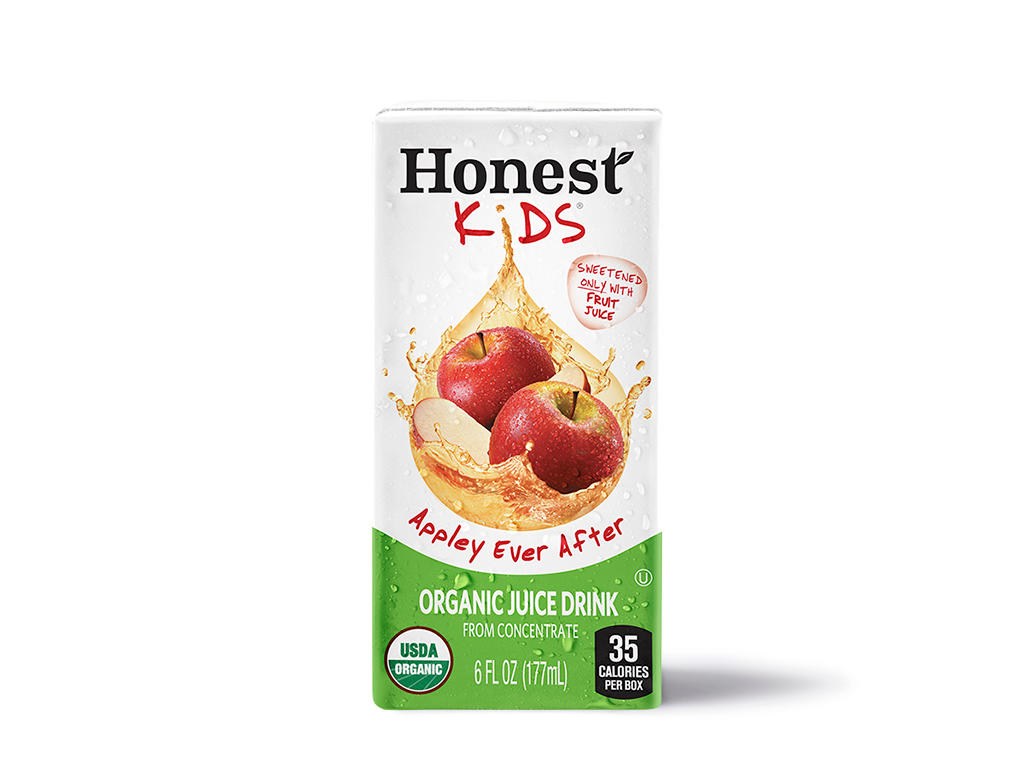
Honest Kids Juice drink is sweetened only with fruit juice, and it’s an organic drink perfect for a kids meal!