Certified by Phillips Heating and Air Conditioning • Aug 23, 2026
HVAC Contractor
Phillips Heating and Air Conditioning has provided dependable ac installation, ac repair, furnace repair, and furnace replacement services to Trumbull County residents for over 90 years. Founded in 1934, our local, family-owned business has strong community connections and technical knowledge to ensure your comfort throughout every season. Our EPA- and NATE-certified technicians deliver full-service HVAC care with the personal attention that makes family businesses special.
Location
Certified by Phillips Heating and Air Conditioning • Aug 23, 2026
Certified by Phillips Heating and Air Conditioning • Aug 23, 2026
MondayOpen 24 Hours
TuesdayOpen 24 Hours
WednesdayOpen 24 Hours
ThursdayOpen 24 Hours
FridayOpen 24 Hours
SaturdayOpen 24 Hours
SundayOpen 24 Hours
Products & Services
2 lists · 21 items
Explore offerings from Phillips Heating and Air Conditioning on 26 South Canal Street in Newton Falls, with popular products and services available at this location.
A new AC installation can improve both comfort and efficiency in your home. Our Phillips Heating installation team manages every step with precision, from helping you choose the right unit to ensuring proper placement for best performance. We assess your home's layout, existing ductwork, and cooling requirements to recommend the ideal cooling solution that balances performance with energy savings.
When your air conditioner stops working during the summer heat, quick action is essential. Our HVAC company can diagnose and fix various AC problems, including refrigerant leaks, electrical failures, and compressor issues. With our same-day service, Phillips Heating will restore your comfort quickly and reliably.
When cold weather arrives, a reliable oil furnace keeps your home comfortable and warm. Phillips Heating provides comprehensive oil furnace services including installation, furnace repair, maintenance, and furnace replacement throughout Trumbull County, OH. Our team delivers efficient heating solutions backed by over 90 years of experience, ensuring your system operates at peak performance all season long.
When your heating or cooling system fails unexpectedly, Phillips Heating and Air Conditioning delivers fast emergency heating and air repair services throughout Trumbull County, OH. Our certified technicians quickly restore your comfort when your system stops working. We know HVAC emergencies can happen anytime, which is why we offer quick service to fix your urgent heating and cooling problems.
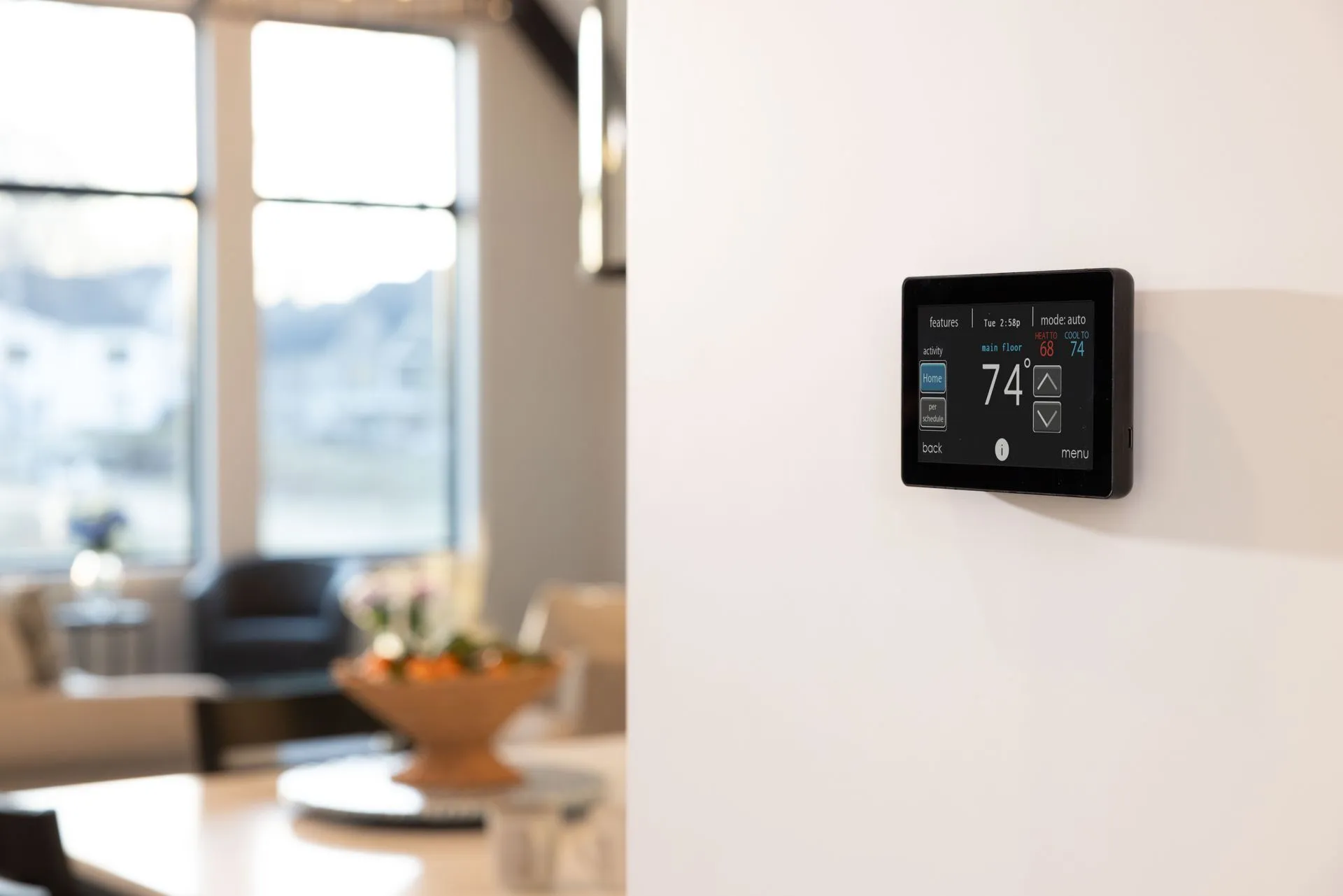
Your thermostat acts as the command center of your home's heating and cooling system, controlling the temperature throughout your property. At Phillips Heating and Air Conditioning, we know that even minor thermostat issues can cause discomfort and increase energy costs in your home. Our family-owned business has provided comprehensive thermostat services to Trumbull County homeowners since 1934, delivering the reliable climate control modern homes need.
Phillips Heating and Air Conditioning - S
16 items
services
Heating
Cooling
Boilers
Geothermal
Oil Furnaces
air quality services
seasonal maintenance
thermostat services
HVAC Testing
AC Services
Commercial HVAC services
Emergency Heating and Air Repair
High-efficiency HVAC
Boiler Installation and Repair
Geothermal Heating and Cooling Solutions
Specialty HVAC Services
Reviews
4.9
319 reviews
5 stars
310
4 stars2
3 stars1
2 stars2
1 star4
AM
Amanda Mihaly
6 days ago
5.0
We are very happy with our new furnace and we feel like we got a really good price. Fast and friendly service. Will be recommending them to friends and family.
LC
Lisa Cummings
Aug 13, 2026
5.0
Phillips Heating & Air Conditioning / August 2026 Review
We had a 29 year old Geothermal system (and hot water tank of the same age) that needed replaced. Wanting to replace it with the same Water Furnace brand, I called two other companies for a quote plus Phillips. I chose Phillips due to their immediate response, knowledgeable recommendations and for going above and beyond. Carmen came out to add Freon and compressed air to my old unit while I waited for my new one to be made. (Temps were in the 90’s and we were without air.) Phillips also came back out to make adjustments and checked in a few days later to ensure we were satisfied. Customer service is HUGE. I highly recommend Phillips Heating & Air Conditioning for your HVAC needs.
PW
Paul Whitesell
Aug 13, 2026
5.0
I feel I paid what I got. No pressure, no trying to sell me something I didn’t need. Installed quickly and professionally. Cleanup was excellent. Explained the entire systems operation. Very happy customer!!
TS
Tony Strope
Aug 11, 2026
5.0
I am happy with the entire team at Phillips. They came out to troubleshoot and repair my old system. They explained everything thoroughly and answered every question. It was determined my old system was running on its last leg. I had them install a new Carrier system and I am very satisfied with their professional service. Thank you Phillips!
TS
Terrence Sheridan
Aug 4, 2026
5.0
Philips installed a of new furnace and air conditioning in a fast and professional manner. The crew consisted of four people, they were finished in about 5 hours.
Frequently Asked Questions About Phillips Heating and Air Conditioning
How often should I replace my heating system?
The timing for heating system replacement depends on several factors, including the type of system you have, how frequently it's used, and how well it's been maintained. On average, most heating systems provide reliable service for 15-20 years. We suggest having a qualified HVAC technician assess your specific system's condition to help you determine the best time for replacement.
What's the difference between a furnace and a heat pump?
Furnaces create heat by burning fuel or using electricity, then circulate that warm air throughout your home via ductwork. Heat pumps operate differently by pulling heat from outdoor air or the ground and moving it inside during colder months, then reversing this process to provide cooling in summer. The right choice between these systems depends on factors like your local climate, energy efficiency goals, and personal preferences, since each system has its own advantages and drawbacks.
What should I do if my heating system isn't turning on at all?
Begin by checking that your thermostat is set to your preferred temperature and switched to heat mode. Next, inspect your circuit breaker panel to see if any breakers have tripped. Make sure the power switch on your heating unit itself is in the on position. If these simple steps don't solve the problem, reach out to a qualified HVAC technician who can accurately diagnose and fix any underlying issues.
What is a zoned heating system, and how can it benefit my home?
Zoned heating systems provide personalized temperature control for different areas throughout your home. These systems divide your home into separate zones, each with its own thermostat and damper controls, giving you precise heating adjustments for every space. This setup enhances comfort while increasing energy efficiency by heating only the areas that need it, which can reduce your energy bills and eliminate uncomfortable hot or cold spots in your home.
Why is my heating system not producing enough heat?
Reduced heat output can result from various issues with your heating system. Common causes include clogged or dirty air filters, improper thermostat settings, damaged or blocked ductwork, or failing heating components or burners. We recommend arranging a professional HVAC inspection to pinpoint the specific cause and get your heating system back to optimal performance.
How often should I replace my air conditioning system?
The right time to replace your air conditioning system depends on factors like the unit's age, how often it's been used, and the quality of maintenance it's received. Most AC systems function effectively for 15 to 20 years, though we recommend having a professional HVAC technician evaluate your specific system to help you decide whether replacement makes sense.
What size of AC unit do I need for my home?
Choosing the appropriate AC unit size is essential for efficient cooling performance. This decision involves evaluating your home's square footage, insulation levels, window characteristics, and local climate patterns. A certified HVAC technician should conduct a Manual J load calculation to accurately establish the right unit size, avoiding problems such as inadequate cooling or excessive energy consumption.
What is the purpose of regular air filter changes?
Changing your air filter regularly ensures proper airflow through your HVAC system. Fresh filters allow air to move more easily, which minimizes strain on the blower motor and keeps your equipment from working harder than necessary.
What should I do if my AC unit is leaking water?
Take action on AC water leaks right away to avoid damage. Water leaks typically occur due to clogged condensate drains, refrigerant problems, or improper installation. Switch off your AC unit, check the drain lines for any visible obstructions, and call a professional HVAC technician to inspect, repair, and fix the leak's source to prevent further damage.
What is the SEER rating, and why is it important?
SEER (Seasonal Energy Efficiency Ratio) evaluates air conditioner efficiency by comparing cooling output to electrical consumption over an entire cooling season. Higher SEER ratings mean better energy efficiency, which lowers environmental impact and can substantially decrease your utility bills, making this rating an important factor when choosing an air conditioning system.
Brand Certified Facts from Phillips Heating and Air Conditioning
This information is certified by Phillips Heating and Air Conditioning and published from the brand's official system of record. Data is distributed through an enterprise-grade knowledge management platform. Learn more about our data sources
Certified August 23, 2026Yext Knowledge Graph
Address
Categories
Geo coordinates
Legal business name
Hours of operation
Phone number
Official website
Syndication Network
Approved business data is pushed to 100+ publishers, including: