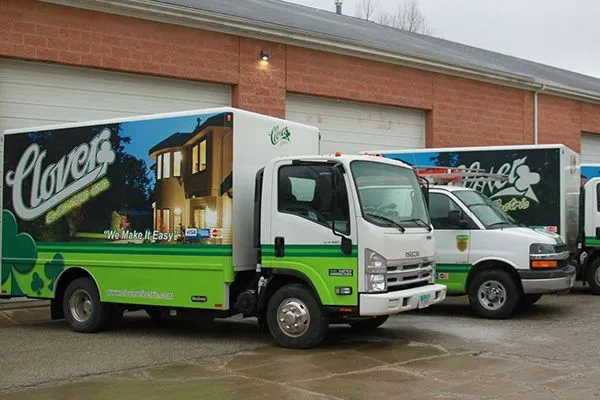
At Clover Electric, Inc, we specialize in delivering high-quality residential services designed to keep your home safe, functional, and fully powered. As expert local electricians, our dedicated team undergoes continuous professional training to ensure every project meets the highest industry standards while providing an exceptional 5-star experience. Whether you need urgent electrical repair, custom light fixture installations, or complete service panel upgrades, we bring technical excellence and dependable results to every job. Our core mission centers on empowering homeowners through clear education, transparent upfront communication, and always delivering on our promises. Contact us today!
Explore offerings from Clover Electric, Inc. on 10115 Gottschalk Pkwy. in Chagrin Falls, with popular products and services available at this location.
Protecting your home or business from hidden hazards starts with thorough safety assessments from the experienced local electricians at Clover Electric, Inc. Warning signs such as flickering lights, warm outlets, buzzing switches, or frequent breaker trips indicate that your power system requires a professional evaluation. Our team inspects wiring integrity, panel capacity, grounding systems, and GFCI protection to ensure full code compliance and prevent dangerous electrical fires.
Upgrade your home or business with safe electrician services from Clover Electric, Inc. Whether you are breaking ground on new construction, remodeling, installing EV charging stations, or upgrading an overburdened panel, our state-certified team delivers comprehensive installations engineered to handle modern power demands.
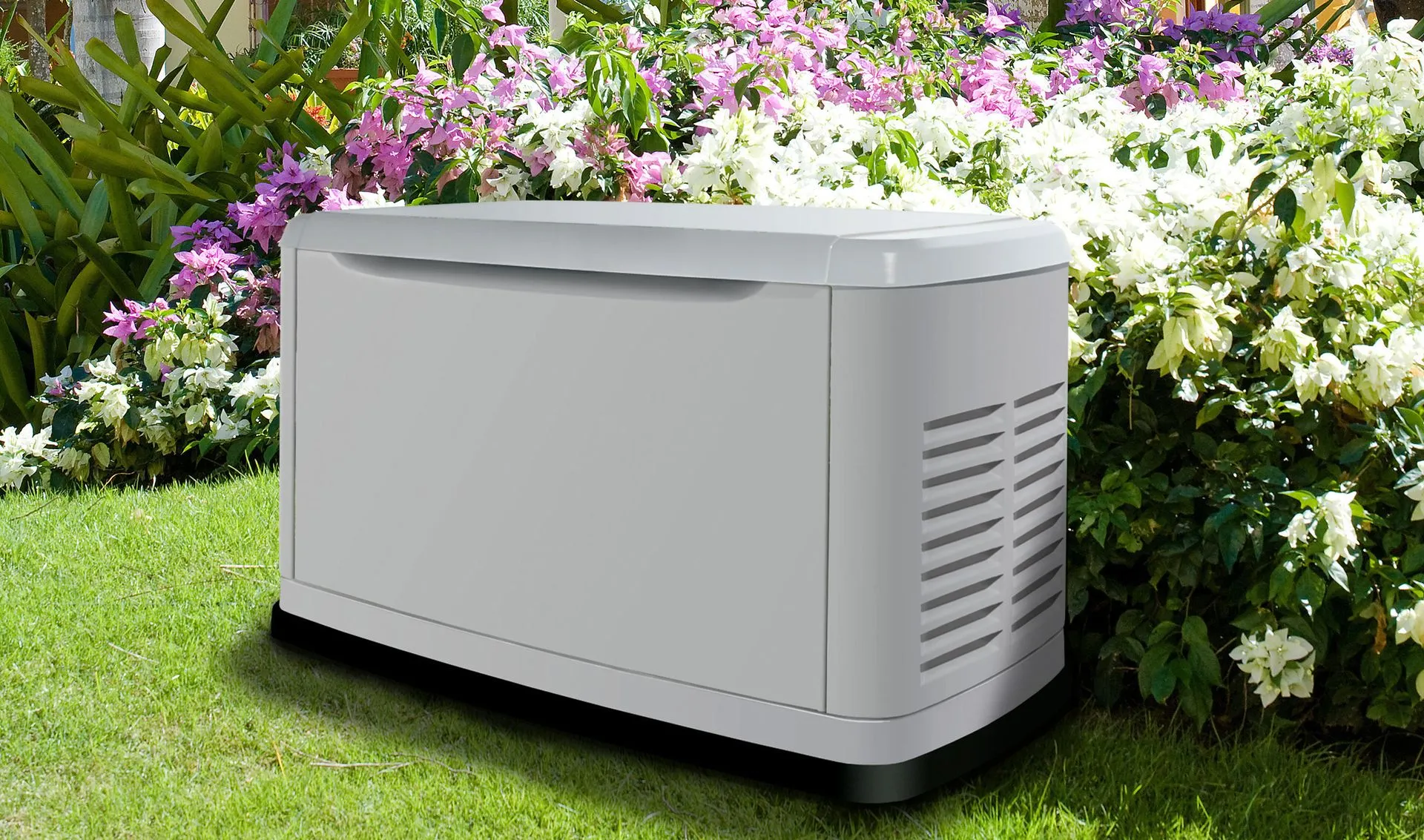
Keep your home safe, fully powered, and functional during severe weather with a seamless home generator installation from Clover Electric, Inc. Power outages do more than turn off the lights—they can spoil food, disable vital medical equipment, shut down sump pumps, interrupt work-from-home routines, and take security systems offline. Partnering with our state-certified electricians ensures you receive the ideal whole-house unit from leading brands, complete with precise system sizing, safe gas lines, automatic transfer switch setup, and full code compliance.
When flickering lights, warm outlets, tripping circuit breakers, or strange burning smells threaten your safety, prompt electrical repair from Clover Electric, Inc restores your property's power quickly and safely. Electrical systems face daily wear and tear, and unaddressed issues like aging wiring, overloaded circuits, faulty switches, or storm damage can quickly turn into major safety hazards. Our family-owned team uses state-certified expertise to diagnose problems accurately and complete lasting repairs right the first time.
Transform your outdoor living spaces into safe, secure, and visually stunning environments after dark with custom landscape lighting from Clover Electric, Inc. Unlit pathways, shadowy perimeters, and dim entertaining areas create safety risks while hiding your home's finest architectural and garden features. Our state-certified electricians design and install energy-efficient LED systems tailored to your vision and budget, using top-tier equipment that boosts curb appeal, extends outdoor usability, and increases overall property value.
Clover Electric Inc - S
27 items
services
Circuits & Breakers
Electrical Services
Generators
Home Improvement
Lighting Services
Wiring & Outlets
Emergency Electrical Services
Circuit Breakers
Electrical Panels
Heavy Ups
Smart Panels
Code Corrections
Electrical Inspections
Electrical Installation
Electrical Repair
Electrical Troubleshooting
Kohler Generators
Transfer Switches
Whole-House Generators
Bathroom Fans & Lighting
Ceiling Fans
EV Chargers
Remodeling & Additions
Safety Systems
Security Systems
Smart Home Services
Smart Thermostats
Reviews
4.7
755 reviews
5 stars
682
4 stars
18
3 stars7
2 stars9
1 star
39
TT
Thekam
3 days ago
5.0
Greg provided insight and knowledge that made us comfortable. He took his time to investigate and explain various options to further proceed with necessary repairs and updates. There was no hard "up selling". Very matter-of-fact. Clover Elec. came out the next day to do the repairs. We are EXTREMELY satisfisfied .
O1
Ohio Super Fan 13
Sep 28, 2026
5.0
Great job and early!
ME
Martin Epstein
Sep 17, 2026
5.0
On time! Very professional service!
KW
Keith Waggoner
Sep 17, 2026
5.0
Super quick service from a friendly crew who clearly placed the homeowners’ comfort above everything else. Top quality work. I’m about to call them for another job today.
MA
Michael Azzam
Sep 8, 2026
5.0
Exceptional work. Extremely professional, with speed and quality pricing. These are tough to find in this industry. Highly recommend!
Frequently Asked Questions About Clover Electric, Inc.
What uses the most electricity in your home?
Appliances that heat or cool using only electricity consume the most power in a home. These include air conditioners (window units or central systems), electric furnaces, baseboard heaters, space heaters, electric vehicle chargers, clothes dryers, and hot water tanks. Additional high-consumption items include hair dryers, coffee makers, microwaves, toasters, and vacuum cleaners. LED lighting and most electronics typically use the least electricity.
Why does an outlet spark when I plug in a device or appliance?
Electricity is constantly present at the outlet, ready to supply power to any device being plugged in. When you plug in an item that's already switched on or lacks an on/off switch, the electricity jumps to the cord's end. This is normal since electricity travels faster than human motion. However, if you hear continued crackling sounds after plugging in, notice the outlet feels hot, or see black marks forming on the outlet, contact Clover Electric, Inc to have it inspected for safety concerns.
Why are plugs falling out of my wall outlet?
Over time, the metal contacts inside outlets wear out from repeated use, causing them to lose their grip on plugs. This creates an unsafe condition as loose connections can generate heat and potentially cause electrical fires. If you're experiencing this issue, the outlet should be replaced by a qualified electrician to ensure safe operation.
My circuit breaker trips all the time. Why?
When a breaker trips, it's detecting a problem in your electrical system and shutting off to protect both you and your electrical equipment. This can occur for various reasons, including too many devices being used simultaneously, an appliance failing internally, a defective breaker, or damaged wiring inside a wall from something like hanging a picture. Regardless of the cause, the breaker is preventing a potential fire hazard, and you should have a professional evaluate the situation.
What is GFCI protection?
GFCI protection prevents serious electrical shock or electrocution. These devices continuously monitor your electrical current, and if they detect an irregularity, they immediately cut power to the connected devices. GFCI outlets typically feature test and reset buttons and are required in bathrooms, kitchens, basements, outdoor areas, and other locations where water may be present. Their primary function is to keep people safe from electrical hazards.
What do I do if I lose power to a section of my home?
First, check your electrical panel for a breaker handle that appears out of alignment with the others, usually in the middle or tripped position. Once located, move the handle to the off position to reset the breaker-you should hear a low click sound. Then turn it back to the on position. If power is restored to the affected areas, you've successfully resolved the issue. If you can't find a tripped breaker, check GFCI outlets in bathrooms, kitchens, garages, basements, and outside, and attempt to reset them. If these steps don't restore power, contact a professional electrician for assistance.
Why won't my circuit breaker reset?
A breaker that won't reset indicates the underlying problem still exists and must be addressed before power can be restored. Sometimes unplugging all devices on that circuit, then resetting the breaker, will solve the issue-this means one of your plugged-in items was causing the problem. Other times, the cause may be damaged wiring, loose connections, or a faulty breaker. In these cases, it's best to contact a professional electrician for help.
Why can't I just replace my old circuit breaker with a bigger one?
Installing a larger breaker without proper evaluation could result in an electrical fire if the wiring can't handle the increased power load. Electricians size breakers specifically to protect your home's wiring from overheating and causing fires. Consult a licensed electrician to determine whether your existing wiring can safely support a higher amperage breaker. They can provide options to either safely upgrade your current system or install new wiring that can handle the additional power requirements.
Why does my light switch make a popping noise whenever I turn it on or off?
The popping sound occurs because electricity jumps from one side of the switch to the other, creating a small arc. This is typically normal, as electricity simply moves faster than we can flip the switch. However, this becomes a concern when the switch is aging and wearing out. Warning signs include the switch becoming hot to the touch, a prolonged crackling sound instead of a quick pop, or black marks appearing on the cover plate. Light switches generally have a lifespan of 15 to 25 years and should be replaced when these symptoms appear.
How long can I use an extension cord for power?
Extension cords are designed for temporary use only. They're manufactured with smaller gauge wire than permanent household wiring and can't handle continuous power demands over extended periods. This means they'll deteriorate faster with constant use. Extension cords should only be used for short durations until a hardwired outlet can be installed as a permanent solution. Avoid using extension cords with space heaters, air conditioners, refrigerators, freezers, microwaves, exercise equipment, garage door openers, and similar high-draw appliances. Replace any extension cord immediately if you notice cracks, fraying, or loose connections.
Brand Certified Facts from Clover Electric, Inc.
This information is certified by Clover Electric, Inc. and published from the brand's official system of record. Data is distributed through an enterprise-grade knowledge management platform. Learn more about our data sources
Certified October 04, 2026Yext Knowledge Graph
Address
Categories
Geo coordinates
Legal business name
Hours of operation
Phone number
Official website
Syndication Network
Approved business data is pushed to 100+ publishers, including: