
Location.com logo
Brand Certified

RTK Environmental

5.0
(223 reviews)

Business Details

29 Bank St., Stamford, CT
06901, United States
(800) 392-6468
http://www.rtkenvironmental.com

About

Mold Inspection ServiceRadon Testing ServiceSoil Testing ServiceAir Quality ConsultantAsbestos Testing Service
For 30 years, we've been a trusted leader in environmental testing, serving over 40,000 commercial and residential customers. We provide unbiased testing for mold, lead, asbestos, water, soil, radon, and indoor air quality. Serving Connecticut, Southern New York, and Northern New Jersey. Because we only test and don't remediate, you can be confident in our unbiased results.

Location

RTK Environmental
29 Bank St., Stamford, CT
06901, United States

Hours

Monday8:00 AM - 6:00 PM
Tuesday8:00 AM - 6:00 PM
Wednesday8:00 AM - 6:00 PM
Thursday8:00 AM - 6:00 PM
Friday8:00 AM - 6:00 PM
SaturdayClosed
SundayClosed

Products & Services

2 lists · 29 items

Explore offerings from RTK Environmental on 29 Bank St. in Stamford, with popular mold, lead, asbestos, and soil and water available at this location.

Services

21 items

Mold

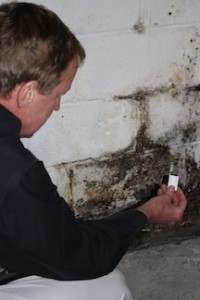
Mold spreads spores that can make you sick, including asthma and respiratory issues. A mold spot the size of a dime contains approximately 500,000 spores. Our certified mold inspectors can help you discover what’s causing mold growth in your home.

About Indoor Mold

There are more than 100,000 different types of molds. How does mold affect health? Mold affects health by releasing spores into the air to seed new colonies. When inhaled mold spores can cause chronic allergies, headaches, fatigue, skin rashes, throat and eye irritations, wheezing, and many respiratory problems. Where are mold spores found? Mold spores are present in nearly every home, even in the Northeastern United States. They enter your home through windows or air conditioners, or are carried indoors on your shoes and clothing. How does mold grow? Once inside, spores need only two things to colonize: a source of moisture and something to feed on. Your home has plenty of both. If there is trapped moisture, a leaky pipe, or a flooded basement or bathroom, mold is able to feed on carpets, wood, fabrics, and other common materials. How long does it take for mold to grow? It takes less than 24 hours to establish a new colony. Is toxic mold dangerous? Toxic molds, commonly referred to as black mold, are more dangerous than ordinary molds because their spores contain poisonous mycotoxins. In concentrated amounts, mycotoxins can cause skin blistering, nosebleeds, asthma symptoms, or chest pains, among other things. In extreme situations, they can even cause shock and death. To be safe and to protect your family, hire a mold specialist professional to locate and identify the mold in your New York, New Jersey, Connecticut or Massachusetts home.

When to Test

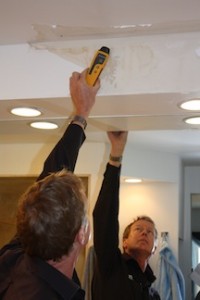
Mold detection can be tricky and requires comprehensive sampling by a certified professional. Since it is impossible to see every area where mold is present, testing helps document the full scope of your mold problem. Testing will determine the root cause of the mold, identify all of the affected building materials, and determine the level of contamination. It will also reveal if toxic mold is present. How can I determine if mold is in my home or workplace? The best way to really determine if mold is present is to conduct a scientific examination. Do-it-yourself kits can be unreliable, so use RTK, a qualified and trained mold inspection service to examine your home. An RTK professional mold inspector will also also help identify what’s causing mold to grow, and provide a blueprint for remediation. As we never remediate, our results are unbiased and accurate. When should I test for mold? - After a flood, leak, or sewage back-up - If a basement or other area is damp - When mold is visible on your ceiling, wall, floor, or belongings - If an ice damn has formed on your roof - If there’s a foul or musty odor - If people or pets are experiencing allergy-like symptoms - Before purchasing or selling any home or property

RTK Approach

Our goal is to assist you in understanding and correcting your mold problem from start to finish. Since our practice is strictly limited to environmental testing and consulting – and never remediation – you’re assured of an accurate and unbiased assessment. Our mold inspection approach is to: - Discover where and why excess moisture is entering your property - Conduct air monitoring, surface sampling, and bulk sampling to compare the results with normal background mold levels. - Identify the affected areas and measure the amount of mold - Recommend safe and cost effective ways to eliminate the moisture and resolve the mold problem - Determine if the health of your family is at risk and if professional remediation is necessary - To ensure reliable results, we send all samples to laboratories accredited by the American Industrial Hygiene Association. No job is too big…no job is too small. Call us anytime to inspect for mold. We also offer follow-up testing once a mold remediation or removal is completed by an independent contractor.

Commercial Mold Testing

Can a company be liable for mold illness? Juries have awarded millions of dollars to victims who claim they were sickened by exposure to toxic mold. The number of lawsuits is growing and mold is quickly becoming the next asbestos in commercial real estate liability. Protect yourself and your business by allowing RTK to inspect and test your commercial property for mold. Most lawsuits allege that mold problems could have been avoided, so commercial real estate owners need to show due diligence by investigating any suspected mold problem. We can document your due diligence in investigating mold issues, and determine whether they exist at all. We also can provide expert witness testimony. Put our experience in testing for mold to work for you. When should I test my building for mold? - If your commercial residence or building has had a flood, leak or sewage back-up - If your building has a roof leak, damp areas, or HVAC problems including inadequate ventilation or lack of make-up air - If you see visible mold on ceilings, walls, floors, or equipment - If you are experiencing foul or musty odors as a result of a process, renovation, or change in the building layout - If your tenants or employees are experiencing allergy-like symptoms, congestion, eye irritation, or general malaise - If you are purchasing, renting, or leasing a commercial property - If you are planning to sell, renovate, or expand your commercial property

Lead

Children can easily ingest household lead because it can be present all around them — in paint chips, tap water, dust and the soil. The younger the child, the more damage lead poisoning can do. If the source of the lead is not determined and removed, the poisoning will continue. RTK’s lead inspectors are licensed, certified and have nearly 30 years of experience.

Lead Poisoning Information

What causes lead poisoning? Lead is a toxic metal that may cause a range of health effects in both children and adults, from behavioral problems and learning disabilities to seizures and death. Almost one million children between the ages of one and five have dangerous blood-lead levels. Many houses and apartments built before 1978, when lead paint was banned for residential use, still have lead paint on many surfaces. Who gets lead poisoning? Children and adults are likely to inhale a dangerous level of lead dust, either during or after a renovation. Young children like to put toys and their hands into their mouths. If there’s lead dust on your floors, it goes into their mouths. Are home lead test kits accurate? Before you risk exposing your family to lead, find out if a hazard exists. Hire a professional lead-testing service because home test kits are not always accurate, according to the U.S. Environmental Protection Agency.

When to Test for Lead Paint

When should I test for lead paint? - If you rent or own a house or apartment built before 1978 (the year lead paint was banned for residential use) - If you are buying, selling, or renting a condominium, co-op or home built before 1978 - Before beginning any renovation - Before disturbing a painted surface - Before beginning any demolition project on a property built before 1978 A word of caution: Removing or disturbing lead-painted surfaces improperly can increase the hazard to your family, because lead dust can be spread around the house. Use only contractors and professionals certified in lead-safe work practices, who follow strict safety rules when working with lead.

RTK Approach

Our lead inspectors, risk assessors, and planners are licensed in the State of New York and Connecticut. What can I expect from an RTK lead test? - Conduct X-ray fluorescence (XRF) lead-paint testing to identify the amount of lead present in painted or sealed surfaces in your home - Provide lead dust, water, and soil sampling to determine if other sources of lead are present on your property - Provide a detailed report and then discuss your specific options - Write a lead abatement plan, if requested, for the third-party lead abatement firm that you select Our goal is to assist you in understanding and correcting your lead issues from start to finish. Since our practice is strictly limited to environmental testing and consulting — and never abatement — you’re assured of an accurate and unbiased assessment. A word of caution: Removing or disturbing lead-painted surfaces improperly can increase the hazard to your family, because lead dust can be spread around the house. Use only contractors and professionals certified in lead-safe work practices, who follow strict safety rules when working with lead.

Commercial Lead Paint Testing

Who should test for lead paint? Many apartment buildings, schools, daycare centers, and commercial buildings constructed before 1978 (the year lead paint was banned for residential use) have paint that contains lead. Lead from paint and paint chips as well as lead in the soil, water, and dust can pose serious health hazards. Am I liable for lead paint issues? In most cases, yes. Don't make the mistake of believing that deliberately remaining “unaware” of lead problems is a protection against liability. Your best recourse is to professionally assess the level of lead present on your property. When commercial lead hazards are discovered, federal, state and city lead laws will seek action against: - Landlords and insurance companies of rental properties when tenants and their children are exposed to lead - Landlords, sellers, real estate agents, and contractors who fail to disclose in writing that lead paint and lead hazards may be present - Contractors, including general, painters, plumbers, carpenters, and electricians who disturb more than two square feet of lead-painted surfaces without disclosing in writing that lead paint and lead hazards may be present - Contractors who fail to use lead-safe work practices when disturbing lead-painted surfaces - Schools, churches and daycare centers where children have been determined to have elevated blood-lead levels - Remediation and insurance companies which are sued for disturbing lead, or asbestos-containing materials, during routine fire or water damage clean ups. - Business owners or companies who are sued because employees are exposed to lead as a result of a building hazard or work process

Asbestos

The most dangerous asbestos fibers are too small to be visible. Once inhaled, they lodge in the lungs forever. Our asbestos inspectors are highly trained and certified to conduct asbestos testing in residential and commercial settings.

About Asbestos

What is asbestos? Asbestos is a carcinogen that can cause lung cancer, mesothelioma, asbestosis and other serious respiratory ailments. Where can I find asbestos? Thousands of building materials were manufactured with asbestos including insulation, pipe insulation, floor and ceiling tiles, adhesives, roof shingles, siding, textured ceilings and joint compounds. Over time, these materials degrade or are disturbed and their asbestos fibers are released. Asbestos monitoring by a certified professional can help homeowners and commercial property owners identify potential risks prior to purchase or renovation. Does asbestos cause illness? Yes. Most asbestos-related diseases don’t arise until years after exposure. Since 1979, it's estimated several hundred thousand people have died from asbestos-related diseases, according to the Environmental Working Group. More will die over the next decade — estimated now at 12,000–40,000+ per year in the U.S.

When to Test for Asbestos

When should I test for asbestos? You may suspect there is asbestos in your home, but only trained professionals can examine materials without the risk of releasing fibers into the air. Be safe and use an RTK asbestos inspector to test for asbestos in these situations: - If you are buying, selling or renting a condominium, co-op or home built before 1980 - Before you or your contractor do any renovations on property built before 1980 - Before you or your contractor do any demolition work on property built before 1980

Residential Asbestos Testing

How RTK handles asbestos testing: The presence of asbestos in a home is a serious matter that requires professional attention. Our goal is to assist you in understanding and correcting an asbestos issue from start to finish. No job is too big…no job is too small, particularly when your family’s health is at stake. Do you need to be licensed to test for asbestos? Yes. Our asbestos inspectors, project designers and management planners are licensed by the Department of Public Health and certified under the federal Asbestos Hazard Emergency Response Act. We can expertly locate any asbestos in your home and monitor asbestos removal. Once the material is removed, we’ll verify that your home is no longer threatened. RTK does not offer asbestos abatement. Our sole focus is on providing an accurate, unbiased assessment of potential health risks. What happens during an asbestos test? - Conduct a comprehensive site survey to identify asbestos-containing materials - Provide asbestos bulk, air and soil sampling - Provide a detailed report identifying the location, quantity and condition of asbestos-containing materials - Prepare an asbestos prioritization plan in cases when removal of all asbestos-containing materials is not possible - Develop an asbestos abatement plan for use by the third-party abatement company you select - To make sure your asbestos issue has been resolved, we can conduct an asbestos clearance test to see if all asbestos fibers have been cleaned up to meet EPA standards.

Commercial Asbestos Testing

Who is liable for asbestos exposure and illness? Billions of dollars have been and continue to be awarded to asbestos victims and their families. Don’t make the mistake of believing that deliberately remaining “unaware” of asbestos issues will protect you from liability. Landlords aren’t the only ones considered liable. Employers, real estate agents, leasing agents and contractors can also be held responsible under the following circumstances when: - Asbestos-containing materials are removed or disturbed incorrectly or without a license - Landlords and their insurers are sued when tenants are exposed to asbestos - All parties fail to disclose in writing that asbestos hazards may be present - Remediation and insurance companies are sued for disturbing asbestos-containing materials during routine fire or water damage clean ups - Business owners or corporations are sued because an employee is exposed to asbestos Asbestos Removal Management When it comes to asbestos abatement, it’s essential to document your compliance, prioritize areas of concern and minimize the risks and liabilities for you and your residents. We can manage the entire abatement project from start to finish by providing: - An asbestos management plan for building owners, managers, workers and other key building staff providing basic information on how to develop and carry out high quality operations and maintenance programs for managing asbestos in place. Asbestos management plans are required by many federal and state agencies, lending institutions and insurance companies. - An asbestos abatement plan and monitoring will clearly identify the locations, quantities and conditions of asbestos-containing materials to be removed by a licensed and insured abatement contractor. We ensure the process meets all federal, state and local ordinances, regulations and rules pertaining to asbestos including storage, transport and disposal. The abatement plan may include but is not limited to all aspects of project abatement, including: - Summary of work - Project documents (plans and illustrations) - Abatement contractor’s use of premises - Coordination of activities - Standards and specifications - Quality control - Testing laboratories - Project records, warranties and guarantees Final asbestos clearance testing includes visual inspections of the work area to assure no visible debris remains and final air samples to ensure results are below the EPA and State re-occupancy clearance criteria. All inspections and testing are performed by a licensed inspector.

Soil and Water

Water testing and soil testing will confirm whether your soil and water supply contain lead, asbestos, PCBs, radon, and other environmental hazards that can cause serious health issues.

Water Testing

Why should I test my water? Water testing will confirm whether your water supply contain lead, asbestos, radon, PCBs, and other environmental hazards that can cause serious health issues. Well water is not regulated like the public water supply is, and may contain toxins including arsenic, radon, carcinogenic pesticides, and heavy metals like lead. And even if your water is regulated and comes from a public supply, your pipes may contain lead and other toxins, which leaches into your water. What are the symptoms of ingesting contaminated water? Drinking and bathing in contaminated water causes chronic health issues, hair loss, stomach and joint pain, body numbness, skin rashes, and worse. When should I test my water? You may mistakenly believe that because your drinking water comes from a well, it’s purer and safer than water from reservoirs. Whether you have a well or public water, it can become contaminated in a number of ways. Water can contain a host of contaminants that cannot be identified by taste or odor, making it difficult for homeowners to know if the quality of their water is acceptable. Test your water: - If you are in an area that has experienced flooding. - When you move into a new home. - If you live in an older home or apartment that may have older pipes that could leach toxins into your water. - If there are known issues in your area. The New York tri-state area has high levels of arsenic, radon, and heavy metals which contaminate wells. How often should you test your water? At a minimum, the CDC (Centers for Disease Control) recommends that you have it tested once each year for total coliform bacteria, VOCs, nitrates, total dissolved solids, and pH levels. Every few years you should test for additional contaminants. How can I get my water tested? To set up a water test in the tri-state area, call RTK at (800) 392-6468.

Soil Testing

What is soil contamination? Soil contamination can come from a variety of sources, both above and below the ground. Contaminants including lead dust, PCBs, radon, and asbestos settle in your soil, and can be easily transferred to children, pets, and more. Simply opening or closing a window in a pre-1978 built home (the year lead paint was banned for residential use), can send lead paint dust flying through the air, landing in gardens, walkways, and the soil. How much lead is considered dangerous? According to the Centers for Disease Control, a speck of lead dust, as small as a grain of sand, is enough to poison a child. Lead poisoning affects everyone, but most especially children, pregnant women and pets. If you live in a pre-1978 built home, or in a neighborhood that has older homes, it’s important to test your soil for PCBs, radon, asbestos and lead. When should I test my soil? - When moving into a new home - Before you plant a vegetable garden - If you have experienced flooding from a storm - If you use compost from a public source - If a neighbor has undergone renovation of an older home without following taking proper containment protocol

RTK Approach

RTK Environmental Group’s certified experts have been helping property owners stay safe from environmental hazards since 1995. If you think you might have environmental hazards in your water or soil, we can help. Our professionals can test for various environmental hazards, including lead, bacteria, asbestos, radon and PCBs, hazards that can affect your health and the health of your loved ones. Because RTK’s business is limited to testing and consulting, and not remediation, you can be confident our assessment will be unbiased and accurate. Our goal is to identify the hazards in your water; then you hire the remediation firm. We can return afterwards to certify that the job was done correctly and suggest ways to keep the problem from cropping up again.

Indoor Air Quality & VOCs

The U.S. Environmental Protection Agency reports that indoor levels of many pollutants may be 25 to 100 times higher than outdoor levels. Poor indoor air quality can cause fatigue, headaches, and other health issues. VOCs are the leading cause of poor IAQ, and are found in common household items.

VOC & Indoor Air Quality Testing

What are VOCs? Volatile organic compounds, or VOCs, are toxic vapors that are off-gassed from man-made materials, and everyday household (and workplace) items. VOCs cause poor indoor air quality, commonly referred to as “indoor air pollution.” VOCs can be very dangerous to your health and can be toxic. Where do VOCs come from? VOCs are off-gassed from paints, solvents, cleansers, disinfectants, air fresheners, pesticides, nicotine, glue, home furnishings and building materials… the list of chemicals in our homes goes on and on. What are the symptoms of VOC exposure? Even low concentrations of these can irritate your eyes, nose and throat; cause headaches, loss of coordination and nausea; and can damage the liver, kidneys and the central nervous system. Children and older people are particularly vulnerable. So are pets. In fact, they are often the ones who show signs of illness first. What's can you test my air for? RTK Environmental’s Indoor Air Quality testing services check for radon, mold, carbon monoxide, polychlorinated biphenyls (PCBs), volatile organic compounds (VOCs), particles from furnaces and wood-burning fireplaces and stoves, and common allergens. Our investigators determine the root causes of your air quality problems, and provide a detailed report with recommendations on how to resolve any issues. Once mitigation is completed, we can verify the situation was successfully resolved. What is radon? Radon, a naturally occurring radioactive gas, is extremely hazardous to your health. It is an odorless, tasteless and invisible gas produced when uranium naturally decays in soil and water. Why should I test for radon? Because 90 percent of the land in the Northeast is likely to have elevated radon levels, every home should be tested for radon, which is part of our Indoor Air Quality Tests.

When to Test Your Indoor Air Quality

Where does indoor air pollution come from? Most people are wary of chemicals labeled as poisonous, but most indoor air pollution is caused by common household products and furnishings including: - Cleaning products - Paints and supplies - Pesticides - Adhesives - Cosmetic and personal care products - Automotive products - Furnishings and clothing - Building materials - Combustible appliances - Animal droppings - Mold - Contaminated soil, water, humidifiers, heating, ventilation and air conditioning systems When should I test for poor indoor air quality? - When unexplained health issues linger, such as allergies, nausea, headaches, fatigue, shortness of breath and bronchial, skin and eye irritations - If you are changing, renovating, remodeling or expanding a property or heating/ventilation/air-conditioning system - After a fire, flood or disaster - If you are buying a residence or commercial building - If your property has been infested by insects, rodents, birds or animals

RTK's Approach to Indoor Air Testing

If you think you’ve got an indoor air quality issue, ask for our help. We can put your mind at ease. Our professionals include certified mold investigators certified by the American Council for Accredited Certification (ACAC), the only board certification in the country. Our customized indoor air quality investigations will determine the root causes of your specific air quality problem. We will provide a detailed report with recommendations on how to resolve your specific issues. Once remediation is completed, we can verify that the situation was successfully resolved. Our goal is to assist you in understanding and correcting your indoor air quality issue from start to finish. Since our indoor air quality testing services are strictly limited to environmental testing and consulting – and never remediation – you’re assured of an accurate and unbiased assessment.

Commercial  Indoor Air Testing

What causes poor indoor air quality in a commercial building? Inadequate ventilation, chemicals, mold, bacteria, radon, pest infestation, and renovations can affect the quality of air in a commercial building. If irritants persist, you may have a “sick building” on your hands. The result can be lost productivity and higher absenteeism. Many factors can contribute to poor indoor air quality and it’s prudent to identify them all. Our job is to determine the root causes of your indoor air quality issue and recommend ways to resolve them. What are common causes of air quality issues? - Mold - Toxins - Contaminated or inadequate HVAC systems - Water damage - Odors - Chemicals - Radon When should I test my buildings indoor air quality? - If you receive health-related complaints from occupants - If you are changing, renovating, remodeling or expanding a building or HVAC system - If you’ve had any fires, floods or disaster on your property - If you’re buying a commercial building - If there is any use of chemicals and/or heating processes within the facility either on a routine or periodic basis - If you have significantly increased the number of occupants - If there has been an infestation of insects, rodents, birds or animals

VOC Resource Guide - What is a VOC?

What is a Volatile Organic Compound, or VOC? If you’ve been feeling sick without explanation or without a known cause, have your indoor air tested for VOCs. Here’s why: VOCs are toxic vapors that are off-gassed from man-made materials, and everyday household (and workplace) items. VOCs cause poor indoor air quality, commonly referred to as “indoor air pollution.” VOCs can be very dangerous to your health and can be toxic. Some common items that harmful VOCs can come from are: - New carpeting - Composite wood products, like furniture and cabinets - Bedding and pillows - Paint - Photocopiers and printers - Adhesives - Cosmetics and toiletries - Vinyl, such as shower curtains or tile - Sealing caulk - Scented candles - Fabrics - Cleaning and disinfecting chemicals - Air fresheners - Moth balls - Dry cleaning and laundry detergents - Wood-burning stoves - Yes, even that new car smell The Latest Research A study released in September 2015 by researchers at NYU Langone Medical Center confirmed what many had suspected: Air pollution is linked to an increase in premature death from heart disease and other related illnesses. Another study released the same month by the journal Nature, showed that globally, air pollution is responsible for more than 3 million premature deaths each year, and that the number is increasing. That is all the more reason to make sure the air inside is not harboring these toxins, or the harmful VOCs that are produced from everyday items indoors. The Common Symptoms of VOC Exposure - Headaches - Fatigue and listlessness - Dizziness - Nausea - Nervousness - Difficulty concentrating Long-term exposure to VOCs can result in: - Cancer - Kidney damage - Liver damage - Central Nervous System damage If you are suffering from any of these symptoms and do not know why, call RTK at 1-800-392-6468 to schedule an indoor air quality test today. We can help you determine whether the cause of your illness is your environment, and help you to feel better so that you can live well.

Specialty Environmental Testing

Testing for Over 300 Substances.

Not all environmental hazards are obvious. Some substances can’t be identified by sight alone. Our inspections, performed by Certified Microbial Investigators (CMI) can determine whatever mysterious matter is plaguing your home or office. We can test for over 300 types of toxins and substances, so you can breathe easier. RTK can test for over 300 types of specialty substances like: Animal dander and fur PCBs Lead Asbestos Volatile organic compounds (VOC) Cyanide

Products and Services

8 items

Mold Testing
Asbestos Testing
Lead Inspection
Indoor Air Quality Testing
Water Testing
Soot & Smoke Testing
Soil Testing
VOC Testing

Reviews

5.0
223 reviews
5 stars
219
4 stars
3
3 stars
0
2 stars
1
1 star
0
  • CM
    Charles Meisinger
    1 day ago
    4.0
    Kevin was very detailed and informative
  • MK
    Melissa Kassimatis
    5 days ago
    5.0
    I can’t recommend this company, especially the mold inspector Ron, highly enough. He went far beyond what I expected and was incredibly thorough throughout the entire inspection. He was able to identify the root cause of the problem hidden inside a wall cavity—something I didn’t even realize could be accessed without cutting open the wall. His knowledge and attention to detail were truly impressive. What stood out most was the amount of time he took to explain everything. He patiently walked me through his findings, answered all of my questions, and made sure I fully understood what was happening, why it mattered, and how it could affect my children’s health. I never felt rushed, and it was clear that he genuinely cared about helping my family, not just completing the inspection. If you’re looking for someone who is knowledgeable, honest, thorough, and committed to conducting a comprehensive, unbiased inspection, I highly recommend him. His expertise, attention to detail, and genuine concern for his clients gave me peace of mind during a very stressful situation.
  • JF
    Jason Ferrante
    5 days ago
    5.0
    Great experience, professional and friendly!
  • IK
    Itkaro knute
    6 days ago
    5.0
    Kevin was amazing and knowledgeable. He explained the process and make sure everything was done properly
  • PM
    Paul Manos
    Jun 18, 2026
    5.0
    Thomas Taylor was excellent, thorough and knowledgeable.

Frequently Asked Questions About RTK Environmental

What types of environmental testing services does RTK Environmental provide?

RTK Environmental offers unbiased testing services for mold, lead, asbestos, water, soil, radon, and indoor air quality.

Where is RTK Environmental located?

RTK Environmental is located at 29 Bank St., Stamford, CT 06901, USA.

Brand Certified Facts from RTK Environmental

This information is certified by RTK Environmental and published from the brand's official system of record. Data is distributed through an enterprise-grade knowledge management platform. Learn more about our data sources
Certified July 05, 2026Yext Knowledge Graph
  • Address
  • Categories
  • Geo coordinates
  • Legal business name
  • Hours of operation
  • Phone number
  • Official website
Syndication Network
Approved business data is pushed to 100+ publishers, including: